The Core Choice Between Immediate Pickup and Mail-Order Quality
Choosing between a neighborhood store counter and a mail-order lab comes down to whether your project prioritizes immediate turnaround or strict color precision. If you need 4x6 snapshots for a family gathering this afternoon, a nearby retail counter or pharmacy is almost always the practical route. If you are framing an enlarged portrait for a living room wall or assembling an archival portfolio, ordering through a specialized online print lab delivers superior dynamic range and far heavier paper stocks.
Local retail counters generally rely on dry thermal dye-sublimation units or compact inkjet machinery designed for high-speed output. These machines operate automatically, applying standardized color corrections across hundreds of incoming files per hour. The results are typically vibrant and pleasing for everyday albums, though subtle shadow details and skin tones can occasionally drift toward cooler or warmer casts depending on machine maintenance cycles.
Online specialty labs, by contrast, focus on professional-grade photographic equipment, including true chromogenic Silver Halide printers and multi-channel pigment inkjet presses. These facilities routinely recalibrate their print heads and laser arrays throughout the working day. The tradeoff is patience; you will typically wait several business days for shipping and handling, but the resulting print reproduction is far closer to what you see on a color-managed computer monitor.
Printing Pictures Straight From a Mobile Device
Modern smartphones capture exceptionally high-resolution files, making direct printing from your handheld library straightforward without touching a traditional desktop computer. Most neighborhood retailers and mail-order providers now support direct mobile workflows through responsive mobile websites or dedicated companion applications. You can typically select images directly from your camera roll, crop to your preferred dimensions, and transmit the batch securely over Wi-Fi within minutes.
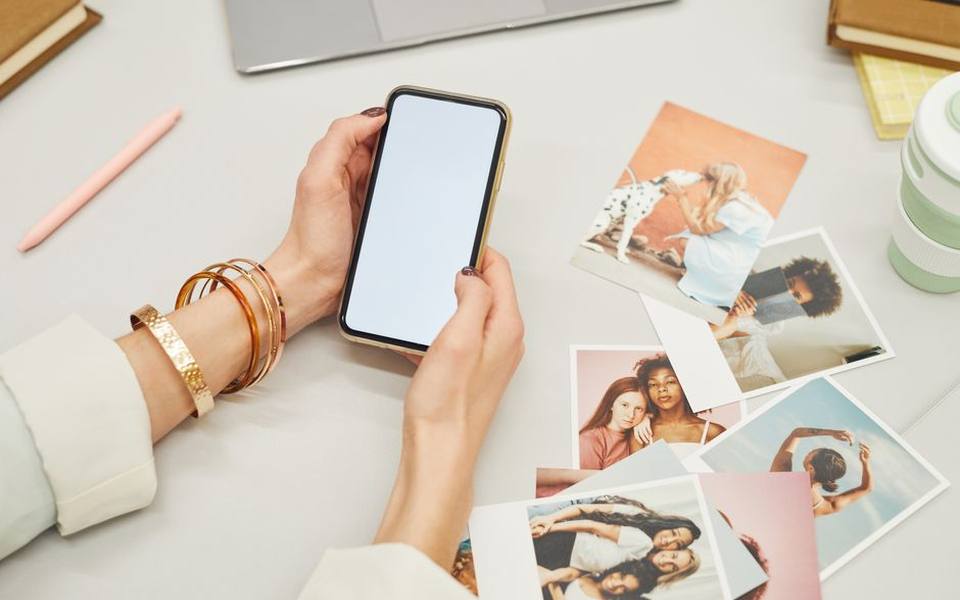
When evaluating mobile software for this task, the best tool is the one that avoids aggressive file compression during the upload stage. Certain third-party utilities automatically downsample large camera files to reduce bandwidth usage, which can introduce noticeable pixelation or artifacting around sharp edges once printed at sizes larger than standard snapshots. Look for interfaces that explicitly confirm full-resolution file transfers before you proceed to checkout.
Connecting directly to an in-store counter from your phone is equally common. Many retail centers allow customers to connect via a local wireless transfer network, Bluetooth, or a physical USB cable directly at an interactive terminal. This workflow lets you inspect cropping boundaries on a larger screen before committing your order to the queue, avoiding common surprises like sliced heads or missing background elements.
Understanding Typical Print Costs and Volume Discounts
Photo printing expenses vary noticeably depending on paper dimension, print substrate, and the total quantity ordered at one time. Standard 4x6 snapshot prints at local neighborhood counters typically range from ten to thirty-five cents each when ordered in small batches, though minimum transaction thresholds may occasionally apply. As you increase the print dimension to 5x7 or 8x10 portraits, single-unit rates generally rise to several dollars per sheet.
Online labs often feature slightly lower baseline costs per individual small print, sometimes dropping under ten cents during seasonal promotions, but shipping fees heavily influence the final tally. An order of ten snapshots online can easily double or triple in total cost once basic parcel delivery is added to the cart. For this reason, web-based printing is typically most economical when consolidating several months of photographs into a bulk batch of fifty prints or more.
If you are seeking the most budget-conscious approach for medium-to-large prints, pay close attention to packaging and multi-pack promotions. Many print facilities offer tiered volume discounting, where unit rates drop substantially once you cross specific volume thresholds such as one hundred standard prints. Comparing total delivered cost rather than single-print sticker prices is the most dependable way to find genuine value.
The Reality of Free Print Offers and Hidden Charges
Advertisements promising dozens of complimentary monthly prints directly from your smartphone are common across digital storefronts, but they are rarely completely free. In almost all circumstances, these introductory offers operate on a promotional loss-leader model where the physical paper prints carry no base charge, but standard shipping and processing fees are required to release the parcel.
When you evaluate these promotional offers, calculating the per-print shipping cost reveals the true expense. Paying five to eight dollars in delivery charges for forty 'complimentary' snapshots translates to twelve to twenty cents per print, which is quite comparable to regular walk-in retail pricing. In some cases, the total outlay might actually match or exceed what a local walk-in shop would charge for immediate same-day pickup.
Additionally, these promotional tiers are frequently restricted to standard 4x6 dimensions on lighter-weight gloss stock, excluding larger enlargement formats, matte textures, or borders. While these programs can certainly serve as an affordable method to establish an album over time, treating them as low-cost subscription mailings rather than entirely zero-cost products prevents unrealistic expectations.
Walk-In Kiosks and Same-Day Neighborhood Retailers
The standout advantage of neighborhood retail counters is immediate turnaround. Whether you are assembling a school presentation, putting together a memorial collage, or picking up prints on your commute home, same-day collection provides peace of mind that online shipping schedules cannot guarantee. In most commercial districts, locations offering self-service printing allow customers to print, inspect, and take home snapshots within fifteen to thirty minutes.
Walk-in stations also offer a degree of immediate physical verification that mail-order systems lack. If a machine experiences a paper feed issue, a color skew, or physical banding across an image, you can usually point out the imperfection to counter staff immediately. Most neighborhood locations will gladly reprint the affected sheets on the spot without requiring you to repackage items or contact remote customer support desks.
However, physical retail counters tend to have tighter equipment constraints than centralized laboratories. Most walk-in operations keep a single standard paper weight on hand, usually standard gloss or basic lustre, limiting your tactile finishing options. For non-standard dimensions, fine-art rag papers, or deep metallic finishes, local retail kiosks will generally refer you to full-service commercial print houses.
Specialized Online Mail-Order Labs for Critical Color and Finishes
When an image demands precise color rendering, subtle tonal gradation, or archival permanence, specialized online labs hold an unmistakable advantage. These dedicated operations cater to portrait photographers, artists, and discerning hobbyists by providing downloadable ICC color profiles. These profiles allow users to preview precisely how their camera files will translate onto specific paper emulsions before placing an order.
The substrate variety available through dedicated web labs is significantly broader than what retail kiosks can stock. Beyond standard snapshot paper, you can choose heavyweight cotton rag, baryta paper with smooth satin finishes, metallic emulsions with reflective depth, and genuine canvas wraps. These heavier stocks resist handling creases and convey a tangible, gallery-grade presence suitable for formal home framing.
Another distinct benefit of dedicated mail-order services is access to human quality inspection. Many online laboratories offer optional manual color correction, where a trained print technician reviews your images on a calibrated monitor and adjusts exposure, highlights, and shadow balance prior to striking the print. This human touch can rescue underexposed family snapshots or soften unflattering color casts caused by indoor artificial lighting.
Paper Finishes, Weight, and Archival Longevity
Selecting the right paper finish alters how an image looks under varying ambient light conditions. Glossy paper enhances deep blacks and saturated colors, giving outdoor holiday photos and vibrant landscapes a crisp, punchy appearance. However, glossy coatings reflect direct room lighting and show fingerprint smudges easily, making them less suitable for unglazed display or albums that are handled frequently.
Matte and lustre finishes provide a balanced alternative. Lustre features a delicate pebbled texture that retains rich contrast while dispersing ambient light reflections, making it the industry standard for formal wedding and school portraits. True matte paper contains virtually no sheen, offering a soft, painterly aesthetic that works exceptionally well behind picture frame glass where interior glare is a persistent challenge.
Longevity is largely determined by the pairing of ink chemistry and base paper stock. Dye-based inks common in standard retail dry-labs typically last several decades under normal residential light before noticeable fading begins. Archival pigment prints produced on acid-free, lignin-free cotton bases by professional labs, however, can remain stable for a century or more when displayed away from direct ultraviolet sunlight.
Preparing Your Mobile Files Before Hitting Order
A frequent disappointment when printing digital images is unexpected cropping along the outer borders. Most smartphone sensors capture still photos in a 4:3 aspect ratio, whereas standard snapshot paper measures 4:6 (a 3:2 aspect ratio). Unless you manually crop your image prior to printing, the automated system will either slice off the top and bottom of your composition or place white bars along the edges.
Taking two minutes to review composition borders within your photo app prevents cut-off foreheads, lost scenery, and awkward framing. Most phone editing tools allow you to lock the crop tool to a specific 3:2 ratio, giving you total control over what remains in the frame. If your composition is tightly framed and cannot sacrifice border space, consider choosing a 4x5.3 print dimension, which many modern printing services now offer specifically for mobile phone files.
Resolution checks are equally important when enlarging files for wall display. While a typical twelve-megapixel mobile snapshot contains ample data for razor-sharp 8x10 prints, extreme enlargements to 16x20 or 20x30 can expose motion blur, digital noise, or soft focus. Inspecting your chosen file at one hundred percent magnification on a screen lets you verify sharpness before investing in a costly large-format sheet.
Regional Availability and Exploring Local Print Counters
Access to physical photo printing centers depends heavily on whether you reside in a dense metropolitan area or an expansive rural community. In high-population regions such as places to print in California, residents can often choose between neighborhood pharmacy chains, office depot centers, and independent family-run darkrooms within a short drive. The extensive infrastructure across places to print in Texas similarly provides thousands of counter locations for quick turnaround tasks.
Independent local print shops often bridge the gap between mass-market kiosk convenience and online laboratory precision. While a neighborhood corporate chain may only offer automated kiosks, an independent local photo shop frequently houses fine-art inkjet equipment alongside archival document scanning services, allowing you to discuss paper stocks face-to-face with an experienced printmaker without waiting days for parcel delivery.
If you live in an area with fewer walk-in counters, relying on established mail-order providers often becomes the most dependable option. Delivery timelines to rural zip codes typically add one or two business days to standard shipping estimates, making early planning essential for holiday greeting cards, graduation announcements, and anniversary gifts.
Making the Final Decision Based on Your Project Timeline
Determining the right printing venue ultimately rests on how you intend to use the finished prints. For spontaneous scrapbooking, classroom projects, craft collages, or vacation keepsakes needed this weekend, local walk-in kiosks provide an unbeatable combination of speed and reasonable fidelity. The ability to upload files while running errands and collect physical prints within the hour satisfies immediate needs.
Conversely, when photographs represent significant milestone events—such as weddings, newborn portraits, or curated gallery displays—the extended lead times and slightly higher expense of dedicated online labs are well justified. The substantial weight of professional paper, color fidelity under gallery lighting, and protective packaging ensure that meaningful memories receive the physical presentation they deserve.
By matching the requirements of your specific project to the distinct strengths of retail counters and specialized web labs, you can avoid unnecessary expenses while achieving the exact visual quality you envision for your photographs.
Published 2026-09-20 · reviewed with each rebuild, last September 2026.
Find places to print near you
The directory lists 23,804 places to print by state and city — pick your state or use the “Near me” button in the header.
More guides
-
 Service
Where to Get Passport and Visa Photos Taken: Costs and Specs
-
 Service
What Collating and Kitting Mean in Commercial Printing
-
 Buying
Standard Business Card Sizes, Stock Thickness, and Printing Costs
-
 Buying
Choosing the Right Custom T-Shirt Printing Method and Understanding Costs
-
 Service
A Practical Guide to Printing Digital Files, Fixing Common Output Errors, and Preparing Custom Media
-
 Buying
Understanding Sticker Cutting Styles: Die Cut, Kiss Cut, and Custom Formats
-
 Buying
How to Order Custom Canvas Prints: Materials, Sizes, and Costs
-
 Buying
Business Card Printing: Design, Templates, Finishes, and Local Vendors
-
 Buying
Custom T-Shirt Printing Guide: Screen Printing, DTG, and Ordering in Bulk
-
 Service
A Guide to Photo Printing, Passport Photos, and Custom Photo Books
-
 Buying
Digital and Physical Gift Cards: Buying, Printing, and Custom Solutions
-
 Buying
Custom Event Invitations: Graduation, Wedding, and Party Announcements
-
 Buying
Custom Canvas Prints: Framing Options, Wall Art Sizes, and Collage Design
-
 Service
Online Fax Services: Sending and Receiving Digital Faxes Without a Landline
-
 Buying
Custom Embroidered Patches, Clothing Badges, and Hat Embroidery
-
 Service
International Shipping Services: Comparing DHL, USPS, UPS, and FedEx
-
 Service
A Complete Guide to Custom Stickers, Vinyl Decals, and Die-Cut Labels
-
 Buying
Custom Drinkware and Water Bottle Printing Guide
-
 Buying
Custom Rubber Stamps and Self-Inking Stamp Guide
-
 Buying
Guide to Personalized Wrapping Paper and Custom Gift Packaging
-
 Buying
Custom Banners, Table Covers, and Trade Show Displays: Materials, Hardware, and Setup
-
 Service
Custom Apparel, Embroidery, and Patch Production Guide
-
 Buying
Custom Playing Cards and Deck Printing Buying Guide
-
 Service
Custom Greeting and Holiday Card Printing Guide
-
 Owning
Custom Vehicle Magnets and Bumper Stickers: Thickness, Durability, and Finish Guide