How Custom Shirt Pricing Really Works
A finished custom t-shirt typically costs anywhere from $7 to $30 per piece, depending entirely on your order quantity, the garment quality, and the printing method chosen. If you need a single shirt with a complex, full-color graphic, direct digital printing usually costs between $20 and $30. When producing a batch of fifty to one hundred shirts with a simple graphic, traditional screen printing pushes the unit price down toward $7 to $12 each. Understanding these volume thresholds is the first step toward getting accurate estimates.
Every apparel quote is built from three main cost centers: the blank garment, the decorating labor, and one-time preparation charges. The blank shirt represents the physical textile, which can range from inexpensive tubular cotton to high-end combed tri-blends. Decorating labor accounts for the machine time, ink, and skilled craft required to transfer your design onto the fabric. Preparation charges cover file separation, film output, and stencil creation, which remain fixed whether you print twelve shirts or five hundred.
Print shops structure their pricing on tiered discount scales. Common breakpoints occur at 12, 24, 48, 72, 144, and 288 units. Reaching the next pricing tier often lowers the per-piece price enough that buying a few extra shirts actually costs less overall than stopping just below the threshold. Factoring in potential size overages or future reorders helps you hit the most economical volume tier on your initial press run.
Understanding What Screen Printing Actually Means
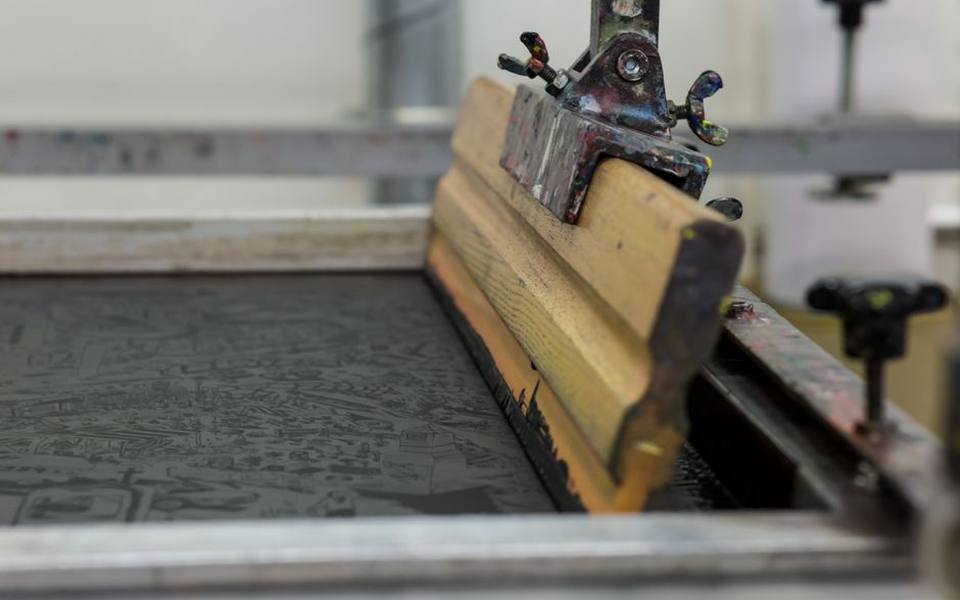
Screen printing is a stencil-based reproduction technique where liquid ink is pushed through a fine mesh fabric onto a garment. The process begins with a woven polyester mesh stretched tightly over an aluminum or wooden frame. A light-sensitive liquid emulsion is applied to the mesh, dried, and then exposed to ultraviolet light through a film positive of your artwork. Where the black artwork blocks the light, the emulsion remains soft and washes away with water, leaving microscopic open mesh apertures that match your design.
During production, the screen is clamped onto a manual or automatic printing carousel, and the garment is loaded onto an underlying platens. The printer deposits a bead of ink across the screen and uses a rubber squeegee blade pulled under firm pressure to force the ink through the open stencils. The fabric absorbs the surface ink, which is then sent through a conveyor dryer heated between 300 and 330 degrees Fahrenheit to cure the ink permanently into the cotton fibers.
This method requires a separate physical screen for every individual color present in your artwork. If your graphic features four colors, the shop must produce four independent films, coat and expose four screens, and calibrate them on the press so every color registers perfectly. Because of this mechanical setup, screen printing carries higher upfront tooling costs but delivers the lowest per-unit price, deepest color vibrancy, and highest wash durability for bulk orders.
How Screen Printing Prices Are Calculated
Screen printing prices revolve around screen setup fees and color count. Most commercial shops charge a setup fee typically ranging from $15 to $35 per screen for each print location. If your project involves a three-color chest print and a two-color back print, you will incur five distinct screen setups before the first garment touches the press. For an order of twenty shirts, dividing those screen charges across the small batch dramatically inflates the per-shirt price.
Garment color also directly influences ink pricing. Printing light ink on dark fabric—such as white ink on a black shirt—requires an underlying layer called an underbase. The printer lays down a solid white silhouette first, quickly cures it with a flash heating unit, and prints the colored inks on top so they remain opaque and vibrant. This underbase functions as an extra color, requiring its own screen, squeegee pass, and ink consumption charge.
Print placement adds another variable to the quote. Standard chest placements carry base production pricing, but adding designs to the upper back, sleeves, hem tags, or inside collars requires additional press setups and handling. Each distinct placement runs as a separate printing pass, which adds between $1.50 and $4.00 per garment depending on the shop’s rate structure and order volume.
Direct-to-Garment and Modern Digital Alternatives
For small orders or artwork containing photographic gradients, digital apparel decoration offers an economical alternative to screen printing. Direct-to-Garment (DTG) printing operates like a high-resolution flatbed inkjet printer modified for textiles. The machine jets specialized water-based pigmented inks directly onto the fabric, absorbing into the cotton threads without the need for physical screens, film positives, or manual separation labor.
Another rapidly expanding digital method is Direct-to-Film (DTF) transfer printing. In this technique, pigment inks are printed onto a clear polyester film carrier, coated with a hot-melt adhesive powder, and cured. The resulting transfer is then applied to the shirt using a commercial heat press. DTF transfers produce crisp details, adhere cleanly to cotton, polyester, and nylon alike, and avoid the fabric pre-treatment staining that sometimes occurs with DTG on colored garments.
The economic tipping point between digital methods and traditional screen printing typically sits around 24 to 36 garments. Below that quantity, digital printing avoids steep screen preparation charges, making a multi-color graphic far cheaper to produce as a one-off or micro-batch. Above that quantity, screen printing's lightning-fast production cycle outpaces digital printing, resulting in significantly lower unit costs as quantities climb.
The Real Cost of the Blank Garment
The blank shirt accounts for roughly 30 to 60 percent of your overall invoice cost. Entry-level blanks made from standard carded open-end cotton typically cost the shop between $2.00 and $3.50 wholesale. These garments have a heavier, slightly coarser hand feel and a tubular body construction without side seams. They work well for promotional giveaways, charity walk events, and budget-conscious bulk campaigns where cost efficiency outweighs fashion appeal.
Mid-grade and premium blanks use combed and ring-spun cotton, which removes short fibers and impurities to create an ultra-soft, tightly woven surface. These blanks typically cost between $4.50 and $8.00 wholesale and feature side-seam tailoring that flatters the body and prevents twisting in the laundry. The smoother surface of ring-spun cotton allows finer ink details to adhere cleanly, making it the preferred standard for retail apparel, band merchandise, and corporate gifts.
Performance polyesters, tri-blends, and fleece hoodies occupy the higher end of blank pricing. Tri-blends combine cotton, polyester, and rayon to produce a lightweight, vintage drape that can easily push blank costs to $7.00 to $12.00 each. Furthermore, extended sizes such as 2XL, 3XL, and beyond regularly carry an extra wholesale surcharge of $1.50 to $4.00 per shirt due to the additional fabric consumed during garment manufacturing.
Finding the Right Place to Order in Your Community
Locating a reliable print partner starts by identifying the distinct types of apparel providers operating nearby. Independent screen printing studios, commercial embroidery houses, and full-service sign shops all produce wearable merchandise, yet their machinery and minimum order thresholds differ. Exploring state directories, such as regional listings for print shops in California or commercial hubs for commercial printers in Texas, helps narrow down vendors tailored to your volume.
Visiting a local print shop in person offers distinct advantages over blind ordering. A brick-and-mortar storefront allows you to feel physical fabric swatches, compare standard cotton against premium blends, and inspect sample prints to verify ink consistency. Local printers can explain whether your vector design requires an underbase or if line weights are too thin to reproduce cleanly on open-weave textiles.
Keep in mind that neighborhood business centers offering self-service printing for paper documents generally do not handle textile production in-house. While some shipping outlets subcontract heat transfers or partner with contract printers, dealing directly with a dedicated apparel print shop eliminates middleman markups and gives you direct communication with the press operator overseeing your run.
Ordering Online Versus Working with a Local Print Shop
Online apparel platforms offer automated browser-based design tools, instant mockups, and low-friction ordering for single-piece or small-batch runs. These services excel when you need one or two novelty shirts printed quickly from a smartphone photo. However, automated platforms rarely review artwork for technical print defects, and their per-piece pricing on bulk runs can run 20 to 40 percent higher than traditional commercial print shops.
Local shops, by contrast, review your digital files manually before generating film positives or setting platen heights. They can suggest subtle adjustments to your color palette to avoid extra screen charges and can flag potential problems, such as ink bleeding on synthetic fabrics. Turnaround times locally are often more dependable because your order does not face cross-country parcel delays or weather interruptions at major freight hubs.
Working locally also allows for unified corporate branding across multiple mediums. Many regional print centers that produce screen-printed apparel also manage commercial fleet graphics and vehicle wrap printing, giving business owners a single point of contact for company workwear, job-site signage, and branded service vehicles.
Navigating Setup Fees, Artwork Prep, and Hidden Charges
Artwork preparation is the most common hidden expense for first-time buyers. Professional garment decoration requires clean vector files—typically formatted as AI, EPS, or vector PDF—where lines and text can scale infinitely without pixelation. If you submit a low-resolution web image, a thumbnail JPEG, or a phone screenshot, the print shop must spend time manually tracing and rebuilding the artwork, which typically incurs an art fee of $30 to $75 per hour.
Color matching is another detail that can introduce extra fees. Print shops maintain standard shelves of ready-to-use house inks in primary and secondary shades. If your company guidelines mandate an exact Pantone Matching System (PMS) color, the shop must weigh base pigments and hand-mix custom formulations. While standard house colors are included in the base print run, custom Pantone ink mixing typically costs between $15 and $30 per color formula.
Pay attention to packing, finishing, and logistics fees on your final invoice. Standard wholesale orders arrive bulk-packed in layered cases of 72 pieces. If you need shirts individually folded, poly-bagged, or labeled with adhesive size stickers for retail distribution, shops add between $0.35 and $1.00 per unit for the fulfillment labor. Rush fees for turnarounds under five business days can add 25 to 100 percent to the entire job cost.
Selecting the Right Decoration for Your Specific Purpose
Matching your printing technique to your garment's eventual purpose prevents both overspending and premature wear. For short-duration events like single-day charity fun runs, school field days, or family reunions, standard heavyweight cotton shirts decorated with a single-color screen print offer maximum visual impact at the absolute lowest cost. The heavier cotton holds up through the event without requiring premium tailoring investments.
Corporate uniforms, service trade workwear, and company apparel require durable construction and comfortable fabrics that survive industrial laundering. A 60/40 cotton-poly blend or a mid-weight ring-spun cotton offers tear resistance, minimal shrinkage, and wrinkle resistance. For these shirts, traditional plastisol screen printing or commercial DTF transfers ensure the logo withstands dozens of aggressive washing cycles without cracking or fading.
If you are launching a streetwear line or selling high-end merchandise, garment hand-feel becomes critical. Traditional plastisol ink forms a noticeable rubbery barrier across the chest. Premium retail brands frequently request water-based or discharge screen printing, which dyes the cotton fibers directly rather than coating them. Once washed, the graphic has a breathable, zero-hand feel that will not stick to the skin during warm weather.
Practical Steps to Place Your Order Without Mistakes
Before requesting formal estimates from printers, organize your garment size distribution. In the apparel industry, sizes typically follow a standard bell curve centered around Large and XL for adult groups, with fewer Small, Medium, and 2XL garments required. Collecting firm size counts from your group before submitting your order prevents costly reorders, as coming back later to print three forgotten shirts will trigger separate setup fees and small-batch pricing.
When the shop sends a digital proof, inspect every technical detail rather than just glancing at the artwork. Check that the design dimensions are clearly specified in real inches rather than relative terms like 'large center chest.' Confirm the precise print placement distance from the collar seam, verify spelling across all text elements, and ensure the mock-up reflects the correct garment blank model number and color code.
Finally, discuss future reorder terms with your print shop before work begins. Ask how long they retain physical screens or digital separation files in their system. Many commercial shops save screen films or digital templates for six to twelve months, allowing you to run repeat batches later without paying initial artwork preparation or film generation fees again.
Published 2026-09-20 · reviewed with each rebuild, last September 2026.
Find places to print near you
The directory lists 23,804 places to print by state and city — pick your state or use the “Near me” button in the header.
More guides
-
 Service
Where to Get Passport and Visa Photos Taken: Costs and Specs
-
 Service
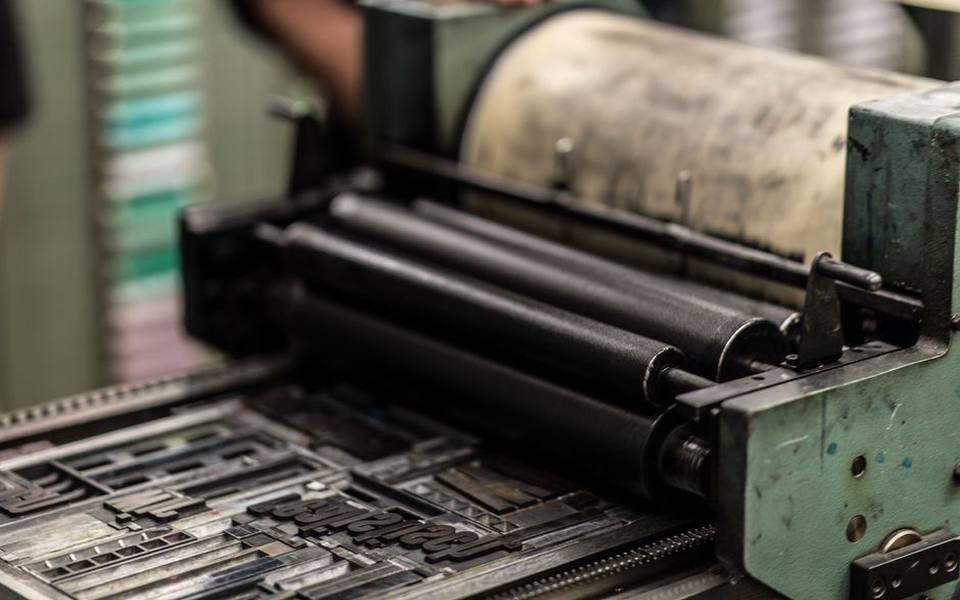
What Collating and Kitting Mean in Commercial Printing
-
 Service
Choosing Where to Print Your Digital Photos: Online Labs vs. Neighborhood Stores
-
 Buying
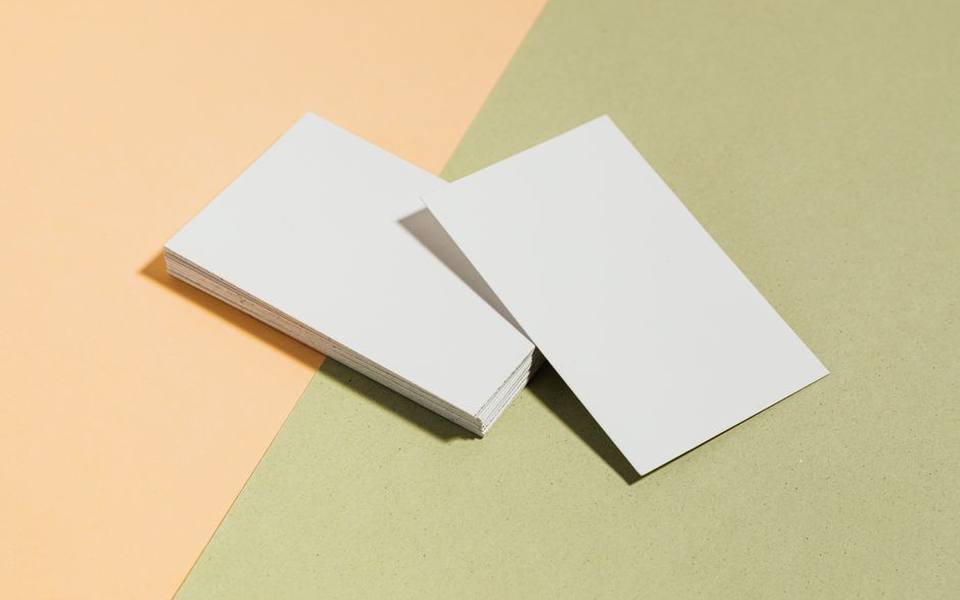
Standard Business Card Sizes, Stock Thickness, and Printing Costs
-
 Service
A Practical Guide to Printing Digital Files, Fixing Common Output Errors, and Preparing Custom Media
-
 Buying
Understanding Sticker Cutting Styles: Die Cut, Kiss Cut, and Custom Formats
-
 Buying
How to Order Custom Canvas Prints: Materials, Sizes, and Costs
-
 Buying
Business Card Printing: Design, Templates, Finishes, and Local Vendors
-
 Buying
Custom T-Shirt Printing Guide: Screen Printing, DTG, and Ordering in Bulk
-
 Service
A Guide to Photo Printing, Passport Photos, and Custom Photo Books
-
 Buying
Digital and Physical Gift Cards: Buying, Printing, and Custom Solutions
-
 Buying
Custom Event Invitations: Graduation, Wedding, and Party Announcements
-
 Buying
Custom Canvas Prints: Framing Options, Wall Art Sizes, and Collage Design
-
 Service
Online Fax Services: Sending and Receiving Digital Faxes Without a Landline
-
 Buying
Custom Embroidered Patches, Clothing Badges, and Hat Embroidery
-
 Service
International Shipping Services: Comparing DHL, USPS, UPS, and FedEx
-
 Service
A Complete Guide to Custom Stickers, Vinyl Decals, and Die-Cut Labels
-
 Buying
Custom Drinkware and Water Bottle Printing Guide
-
 Buying
Custom Rubber Stamps and Self-Inking Stamp Guide
-
 Buying
Guide to Personalized Wrapping Paper and Custom Gift Packaging
-
 Buying
Custom Banners, Table Covers, and Trade Show Displays: Materials, Hardware, and Setup
-
 Service
Custom Apparel, Embroidery, and Patch Production Guide
-
 Buying
Custom Playing Cards and Deck Printing Buying Guide
-
 Service
Custom Greeting and Holiday Card Printing Guide
-
 Owning
Custom Vehicle Magnets and Bumper Stickers: Thickness, Durability, and Finish Guide