Planning an Effective Trade Show Display Setup
Building an attractive trade show booth starts with matching the right display pieces to your allotted floor space and travel logistics. A standard ten-foot convention footprint generally relies on three foundational elements: a cohesive back wall, a branded table presentation, and freestanding directional signage. Rather than ordering individual pieces in isolation, evaluating the entire setup as a unified visual system prevents mismatched colors, clashing fabric textures, and overcrowded floor space that impedes visitor traffic.
Weight and portability should guide your hardware decisions just as much as visual impact. Exhibitors who drive to regional events can easily transport rigid frame pop-ups and heavy cast-iron banner bases, while those flying across the country require lightweight aluminum tension frames and compact roll-up cassettes that fit into standard airline luggage. Choosing equipment that can be assembled by a single person in under twenty minutes reduces pre-show fatigue and eliminates the need for expensive on-site convention labor.
Visibility from across the exhibition hall requires strategic vertical layering. Eye-level graphics between five and seven feet above the floor draw immediate attention from aisles, while table-height elements should focus on clean branding and product demonstrations rather than dense paragraphs of text. Selecting display components that balance durability, ease of maintenance, and high visual contrast ensures your exhibit remains professional throughout multi-day events.
Vinyl Versus Fabric for Hanging and Wall Displays
Standard vinyl remains one of the most widely used materials for large event signage due to its low cost and crisp image reproduction. Thirteen-ounce scrim vinyl offers solid tear resistance for general use, featuring an internal polyester mesh embedded between outer layers of PVC. For indoor convention centers with intense overhead illumination, a matte or satin finish is critical because high-gloss vinyl produces harsh glare that renders logos and contact details completely unreadable from several angles.
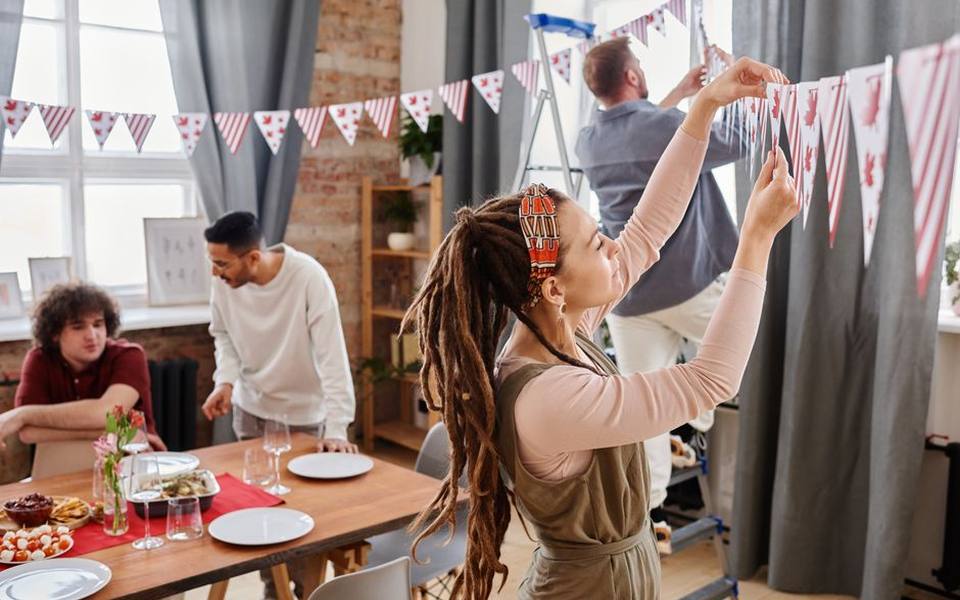
Polyester fabric banners have steadily gained ground over traditional vinyl, particularly for high-end corporate events and indoor exhibitions. Dye-sublimated fabric absorbs ambient light rather than reflecting it, creating rich, saturated tones and smooth gradients without surface hotspots. Fabric is also substantially lighter than vinyl, making it easier to suspend from convention hall pipe-and-drape systems without causing the horizontal support bars to sag under excess weight.
Edge finishing dictates how securely a hanging banner mounts and how long the material lasts without fraying. Brass or nickel grommets placed every two to three feet along heat-welded or double-stitched hems distribute tension evenly across the perimeter. When hanging displays from overhead truss systems or wall brackets, top and bottom pole pockets offer a cleaner aesthetic than grommets by allowing weighted dowels to pull the banner taut without visible corner puckering.
Retractable Pull-Up Banners and Hardware Quality
Retractable banners with stands serve as the workhorse of corporate events because they pack down into small padded carry bags and deploy in seconds. The inner spring-loaded roller mechanism keeps the graphic safely coiled inside an aluminum housing during transit. Lower-tier economy cassettes rely on thin aluminum shells with swing-out stabilizing feet, whereas premium heavy-duty bases feature wider footprints, internal tension adjusters, and thicker metal extrusions that remain upright in high-traffic convention walkways.
The print substrate loaded into a roll-up cassette directly determines whether the graphic remains flat over time. Standard scrim vinyl often develops curled vertical edges within months due to temperature fluctuations and internal roll tension. Premium anti-curl polyester film or blockout fabric features a rigid core layer that prevents edge curling, ensuring your visual presentation remains crisp and completely flat throughout the entire exhibition.
Graphic replacement capability is another major factor separating budget hardware from professional systems. In entry-level units, the print is often glued permanently to the bottom roller with high-bond adhesive tape, making graphic updates difficult or destructive. Commercial-grade stands utilize snap-lock top rails and hook-and-loop or mechanical clamp rollers, allowing exhibitors to swap out seasonal campaign visuals while keeping the original aluminum hardware intact.
Custom Tablecloths and Branded Table Covers
A customized table presentation anchors your booth and conceals shipping crates, inventory boxes, and personal belongings beneath the work surface. Personalized table covers are typically tailored for standard six-foot or eight-foot banquet tables, which measure thirty inches high and thirty inches deep. Ordering the wrong dimensions results in fabric pooling clumsily on the floor or exposing the folding metal legs underneath, immediately diminishing the professional appearance of the booth.
Exhibitors generally choose between three primary silhouettes: standard draped throws, fitted rectangular covers, and modern stretch spandex. Draped throws offer the most flexibility if convention organizers assign slightly non-standard table sizes, as the fabric naturally folds at the corners. Fitted covers provide crisp, sharp seams that hug the table edges, creating a structured aesthetic that works exceptionally well for formal product displays and registration desks.
Stretch tension covers slip securely over the table top and hook into reinforced pockets under the table feet, creating a sleek, wrinkle-free appearance that resists wind gusts at outdoor events. Regardless of the cut, you must choose between a four-sided closed back or a three-sided open back. Open-back styles allow staff members to sit comfortably behind the table without bunching up fabric, while closed-back versions keep stored packing cartons completely hidden from view.
Outdoor Visibility with Feather and Teardrop Flags
When exhibiting at outdoor festivals, open-air trade markets, or sports tournaments, feather flags provide vertical movement that draws the human eye from significant distances. Unlike rigid stationary signs, the lightweight knitted polyester material ripples gently in the breeze without curling around the flagpole. Teardrop flags maintain constant tension across the graphic face, keeping the logo visible even during complete calm, while feather shapes offer larger surface areas for readable copy.
Base hardware must be selected according to the installation surface to prevent dangerous blow-overs during sudden wind gusts. Heavy steel ground stakes drive securely into grass or packed soil, providing rigid stabilization for flag poles up to fifteen feet tall. For concrete parking lots, indoor concourses, or convention plazas, folding cross bases weighted down with heavy-duty refillable water rings or solid rubber donuts keep the display upright without surface penetration.
Printing methods for outdoor flags involve choosing between single-reverse and true double-sided construction. Single-reverse printing applies ink to one side of the porous fabric, allowing roughly eighty percent of the design to bleed through to the reverse side as a mirror image. True double-sided flags sew two printed fabric panels together with an opaque silver blockout liner in between, ensuring that directional arrows and text read correctly from both approaching directions.
Large Backdrops and Pop-Up Booth Systems
A commanding back wall defines your booth space and creates an immersive environment that separates your brand from adjacent exhibitors. Step-and-repeat backdrops mounted on telescopic pole systems remain a budget-friendly option, allowing adjustable sizing up to ten feet wide and eight feet tall. However, visible horizontal crossbars and external vertical support legs can consume valuable floor space and create potential tripping hazards near booth borders.
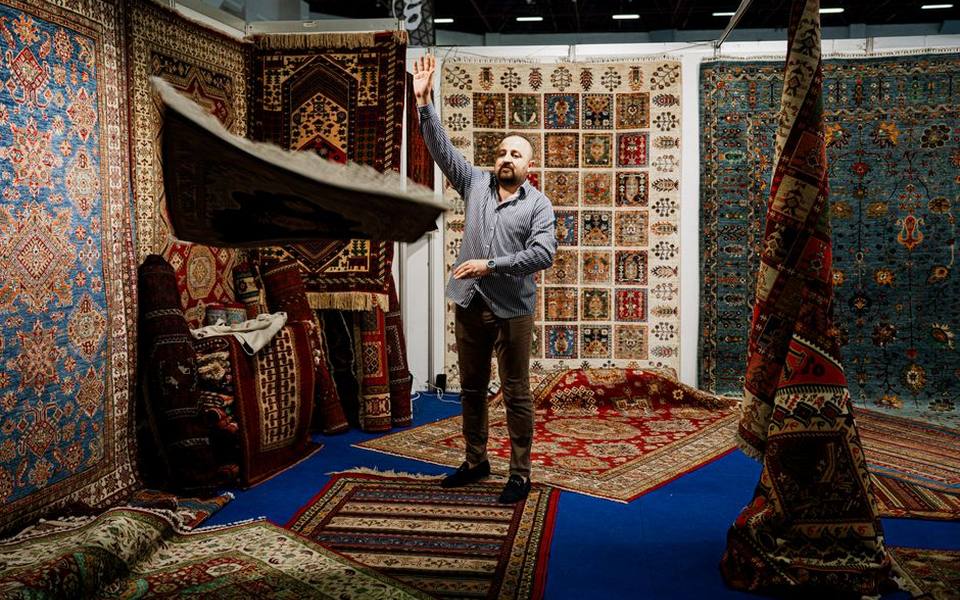
Pop-up tension fabric systems provide a seamless, modern alternative using an expandable aluminum accordion frame. A single oversized fabric graphic wraps across the front and sides of the frame, attaching securely with perimeter hook-and-loop fasteners or silicone edge graphic (SEG) gaskets that slide into perimeter channels. Because the fabric stretches tightly across the structural frame, surface wrinkles disappear automatically once the unit is fully locked into place.
Lighting must always be factored into backdrop placement. Many exhibition halls feature harsh downward industrial mercury-vapor lighting that creates deep shadows on vertical graphics. Adding modular LED stem lights that clip directly onto the top rail of your back wall eliminates shadowing, brightens your company logo, and ensures small product descriptions remain legible to attendees browsing the space.
File Preparation, Resolution, and Color Accuracy
Preparing digital artwork for wide-format printing requires a different approach than producing small office flyers or standard documents. While small prints require 300 dots per inch (DPI) for close inspection, large-format graphics viewed from four to ten feet away are typically built at 100 to 150 DPI at full scale. Preparing files at excessively high resolutions creates massive, unwieldy file sizes that can slow down print processing equipment without providing any perceptible improvement in visual sharpness.
Vector artwork should always be used for corporate logos, typography, and clean graphic elements. Formats like AI, EPS, or vector PDF can scale infinitely without pixelation or loss of edge definition. When incorporating raster photographic imagery, ensure the source files possess sufficient native resolution before placing them into the master layout, as artificially enlarging low-resolution web images produces noticeable blurriness and compression artifacts.
Color calibration requires building files in CMYK rather than RGB to avoid muddy or mismatched print output. Neon greens and vibrant electric blues that glow brightly on backlit computer monitors often shift significantly when converted to four-color commercial ink sets. Unlike routine tasks handled at self-service printing kiosks, wide-format production demands strict attention to rich black values and precise Pantone color matching to ensure consistency across fabrics, vinyls, and rigid materials.
Turnaround Times and Sourcing Displays Locally
Planning production schedules with realistic lead times prevents expedited freight charges and pre-event panic. Standard turnaround for custom dye-sublimated tablecloths and tension fabric displays typically ranges from five to seven business days, plus standard ground shipping. Add-ons like custom sewing, pole pocket stitching, and hardware mechanical testing require hands-on production labor that cannot be rushed without paying steep rush premiums.
Sourcing your event graphics through local commercial print centers offers substantial advantages over distant online bulk printers. Working with regional providers, such as established shops throughout California or commercial printers in Texas, enables you to inspect physical fabric swatches under natural light before committing to full production runs. Local shops can also handle last-minute banner re-prints or hardware repairs when materials are damaged in transit right before event setup.
Establishing relationships with full-service visual production houses gives you access to specialized wide-format machinery. Many facilities that handle commercial vehicle wraps also operate heavy-duty flatbed UV printers and wide laminators capable of producing ultra-durable rigid display boards and exterior event signage on short notice. Communicating your exact delivery deadlines early ensures proper substrate curing and quality assurance testing before you depart for the venue.
Cleaning, Packing, and Preserving Event Graphics
Proper post-event care dramatically extends the operational lifespan of expensive trade show graphics. Polyester tablecloths and fabric banners should be laundered on a gentle cycle in cold water using mild, bleach-free detergent to remove spilled beverages, dust, and handling smudges. Tumble drying on low heat or line drying prevents fabric shrinkage that could make fitted or stretch covers impossible to reinstall on standard table frames.

Wrinkles are an inevitable consequence of packing folded fabric into travel bags between regional exhibitions. A handheld commercial garment steamer is the safest tool for relaxing crease lines once your display is fully erected in the venue hall. Household flat irons should generally be avoided unless used on the lowest synthetic heat setting with a clean press cloth placed over the printed graphic, as direct high heat can melt polyester fibers and smudge dye inks.
Vinyl banners demand a completely different storage protocol than fabric. Never fold a vinyl banner for storage, as folding creates permanent white crease lines and micro-cracks along the printed ink layer. Always roll vinyl displays around a rigid cardboard core with the printed side facing outward, and secure the roll inside a durable cylindrical tube to shield the substrate from moisture, edge abrasions, and extreme warehouse heat.
Balancing Hardware Investments and Graphic Replacements
Treating display hardware as a reusable capital asset rather than a disposable marketing expense saves substantial budget across multiple convention seasons. Investing in robust aluminum tension frames, heavy-gauge banner cassettes, and steel flag bases allows you to reuse the underlying mechanical foundation for years. When marketing campaigns shift, new product lines launch, or booth themes evolve, you only need to order replacement graphic sleeves or pull-up film inserts.
To maximize hardware longevity, keep your foundational components relatively generic while delegating time-sensitive promotions to secondary visual elements. For example, print your primary brand logo, corporate colors, and core value proposition on your expensive back wall and premium table throw. Save specific pricing tiers, seasonal dates, and temporary promotional slogans for low-cost retractable banners or tabletop cards that can be swapped out without replacing your primary assets.
Before investing in specialized trade show systems, consider how these promotional tools align with your broader visual marketing ecosystem. Many companies that coordinate event booths also utilize identical digital assets for exterior building signs or fleet graphics produced by providers handling vehicle wrap printing and installation. Maintaining consistent vector artwork across both stationary event displays and mobile advertising creates seamless brand recognition across every customer touchpoint.
Published 2026-09-21 · reviewed with each rebuild, last September 2026.
Find places to print near you
The directory lists 23,804 places to print by state and city — pick your state or use the “Near me” button in the header.
More guides
-
 Service
Where to Get Passport and Visa Photos Taken: Costs and Specs
-
 Service
What Collating and Kitting Mean in Commercial Printing
-
 Service
Choosing Where to Print Your Digital Photos: Online Labs vs. Neighborhood Stores
-
 Buying
Standard Business Card Sizes, Stock Thickness, and Printing Costs
-
 Buying
Choosing the Right Custom T-Shirt Printing Method and Understanding Costs
-
 Service
A Practical Guide to Printing Digital Files, Fixing Common Output Errors, and Preparing Custom Media
-
 Buying
Understanding Sticker Cutting Styles: Die Cut, Kiss Cut, and Custom Formats
-
 Buying
How to Order Custom Canvas Prints: Materials, Sizes, and Costs
-
 Buying
Business Card Printing: Design, Templates, Finishes, and Local Vendors
-
 Buying
Custom T-Shirt Printing Guide: Screen Printing, DTG, and Ordering in Bulk
-
 Service
A Guide to Photo Printing, Passport Photos, and Custom Photo Books
-
 Buying
Digital and Physical Gift Cards: Buying, Printing, and Custom Solutions
-
 Buying
Custom Event Invitations: Graduation, Wedding, and Party Announcements
-
 Buying
Custom Canvas Prints: Framing Options, Wall Art Sizes, and Collage Design
-
 Service
Online Fax Services: Sending and Receiving Digital Faxes Without a Landline
-
 Buying
Custom Embroidered Patches, Clothing Badges, and Hat Embroidery
-
 Service
International Shipping Services: Comparing DHL, USPS, UPS, and FedEx
-
 Service
A Complete Guide to Custom Stickers, Vinyl Decals, and Die-Cut Labels
-
 Buying
Custom Drinkware and Water Bottle Printing Guide
-
 Buying
Custom Rubber Stamps and Self-Inking Stamp Guide
-
 Buying
Guide to Personalized Wrapping Paper and Custom Gift Packaging
-
 Service
Custom Apparel, Embroidery, and Patch Production Guide
-
 Buying
Custom Playing Cards and Deck Printing Buying Guide
-
 Service
Custom Greeting and Holiday Card Printing Guide
-
 Owning
Custom Vehicle Magnets and Bumper Stickers: Thickness, Durability, and Finish Guide