The Core Difference Between Sticker Cutting Techniques
A die cut sticker is cut completely through both the printed adhesive vinyl and the paper backing material, matching the exact perimeter of the graphic. When you look at an individual die cut piece sitting on a counter, you see the artwork's specific silhouette rather than a rectangular card or border. This provides a polished, finished presentation right out of the box, making it the standard choice for promotional giveaways and retail merchandise.
The fundamental meaning of a die cut comes from traditional manufacturing, where a custom metal blade pressed through stock like a heavy cookie cutter. In modern digital production, commercial plotter blades and precision laser cutters follow digital vector paths to slice through all layers simultaneously. The end result is a standalone decal that mirrors every curve, angle, or organic contour designed into the original illustration.
In contrast, other cutting methods keep the backing sheet intact to protect delicate edges or allow multiple designs on one sheet. Understanding this baseline distinction helps you evaluate durability, handling, and application speed before placing an order. While both styles typically use the same vinyl stocks and protective laminates, the way the backing is severed significantly alters how the decal is distributed and peeled.
Kiss Cut vs Die Cut: Backing, Peeling, and Border Protection
The primary mechanical distinction between kiss cut and die cut stickers comes down to blade depth. During a kiss cut, the automated blade applies lighter pressure, slicing cleanly through the printable vinyl and laminate layer while leaving the paper backing sheet completely whole. This leaves the sticker surrounded by an outer margin of backing material, resembling a miniature frame around the finished graphic.
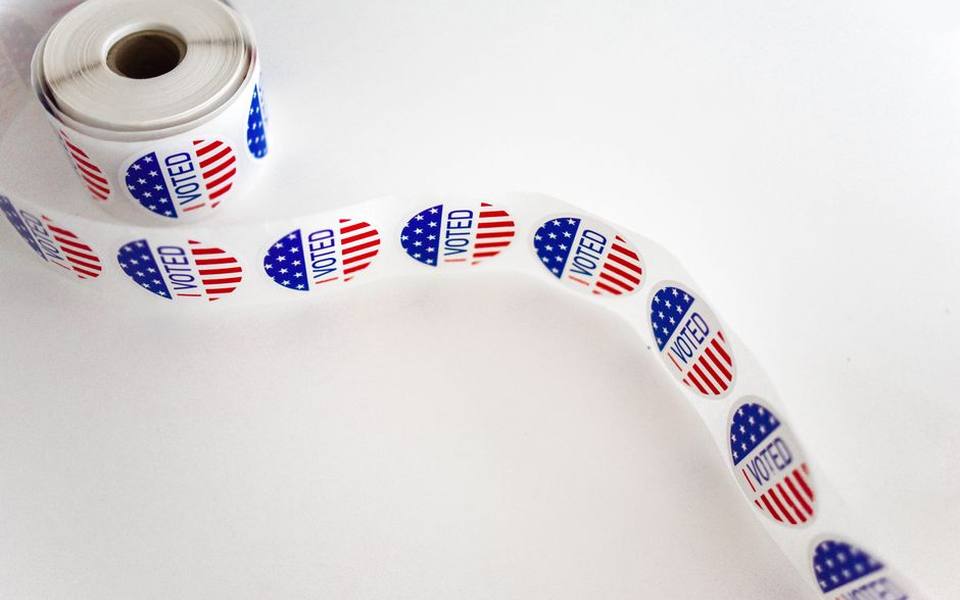
That extra outer border offers substantial functional benefits. Because the sticker does not extend to the paper's edge, the delicate corners and fine contours of your design remain shielded from bending, tearing, or premature lifting while carried in bags or pockets. When it comes time to apply the sticker, the surrounding border makes peeling effortless, as you can simply fold the backing back to expose the adhesive edge without picking at tight vinyl corners.
Die cut stickers, having no protective border, demand slightly more fingernail dexterity to separate the vinyl from the backing paper. Some print providers resolve this by scoring a split line down the center of the backing paper on die cut items. Deciding between them depends heavily on whether you prioritize the instant visual impact of a fully shaped decal or the practical utility and edge security of a bordered backing.
Choosing the Right Cut Style for Events, Retail, and Packaging
For trade shows, street team marketing, and retail counter sales, die cut formats generally deliver the highest perceived value. When handed directly to a customer, a shaped sticker feels like a deliberate product rather than a standard label. Its standalone silhouette looks clean in product photography, tucks neatly into e-commerce shipments as a bonus gift, and encourages immediate placement on laptops, water bottles, and skateboards.
Kiss cuts are the superior choice when creating sticker sheets featuring multiple individual designs on a single card. Illustrators, planners, and subscription boxes rely on kiss cutting to position five to twenty varied graphics on a standard sheet. Because the backing sheet stays rigid and square, kiss cut products stack uniformly in retail display racks, organize easily in file folders, and ship flat without curling along complex cut lines.
Product labeling and packaging workflows also tend to favor kiss cut layouts or rolls over individual die cuts. If staff members need to peel and apply hundreds of labels onto jars, boxes, or pouches during an afternoon shift, the accessible border of a kiss cut sheet drastically cuts application time. Individual die cuts, while visually striking, slow down repetitive manual assembly lines due to the extra effort required to split each backing.
Rush Production and Same-Day Sticker Printing Realities
When an unexpected event leaves you needing decals within hours, securing same-day sticker production depends heavily on local equipment availability. Large commercial online printers typically operate on scheduled print runs that require several days for printing, lamination curing, precision cutting, and ground shipping. Turning to neighborhood print shops often represents the only practical route for true same-day fulfillment.
A shop capable of same-day turnaround usually relies on hybrid wide-format printer-cutters that print outdoor inks and score cut paths on a single machine. However, tight timelines frequently require compromises on finishing. Commercial vinyl stickers ideally need several hours of off-gassing and laminate bonding to resist water and heavy abrasion; rushing the job may mean settling for unlaminated vinyl or heavier gloss paper labels cut on short notice.
To maximize your chances of quick pickup, supply production-ready artwork with clean vector cut lines already established in your digital file. Calling local operations directly allows the press operator to confirm whether their cutting tables have open queue time before you arrive. Rushed turnaround typically carries an expedited processing fee, but it eliminates the uncertainty of shipping delays when deadlines loom.
Evaluating Sticker Quality and Selecting a Print Provider
Finding an exceptional sticker printing source requires looking past marketing claims and examining the technical specifications of their materials. High-grade stickers rely on thick calendared or cast vinyl paired with a dedicated UV-inhibiting laminate finish, which prevents ink fading and resists scratches. Lower-tier budget options often print directly onto thin adhesive paper or unlaminated synthetic film, which quickly scuffs and degrades under sunlight.
Adhesive quality is equally critical when evaluating a service provider. Standard permanent acrylic adhesives bond securely to smooth plastics, painted metals, glass, and sealed cardboard, remaining attached through dishwasher cycles and outdoor weather. Removable adhesives, alternatively, are formulated to release cleanly from delicate surfaces like laptops or rental windows without leaving stubborn gummy residue behind.
Before ordering thousands of units, inspect sample packs or order short proof runs to test print resolution and cutting alignment. A reputable print partner maintains tight calibration on their cutting plotters, preventing the telltale white gaps or sliced graphics that occur when blades drift off registration. You can explore regional operations across thousands of independent businesses, including places to print in California and print centers nationwide.
Coordinating Promotional Merch Like Personalized Can Koozies
Custom stickers frequently form just one component of a broader promotional campaign, often paired alongside practical event merchandise like custom drink sleeves. Can koozies personalized with business logos, wedding monograms, or event branding serve as lasting takeaways that keep company graphics in front of users long after a weekend gathering wraps up.
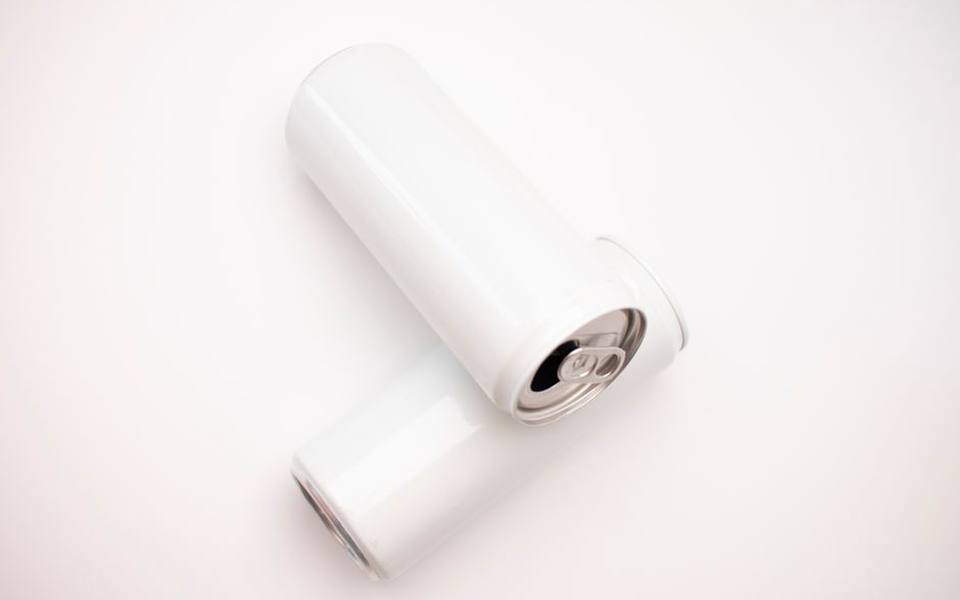
Producing customized drinkware sleeves involves distinct printing processes compared to vinyl sticker manufacturing. Most insulated sleeves use open-cell foam or denser scuba-knit neoprene, which require either screen printing or heat-transfer dye sublimation. Screen printing deposits opaque plastisol inks directly onto the fabric surface, while dye sublimation infuses digital artwork directly into polyester fibers for vibrant, full-color coverage that will not crack or peel when folded.
When organizing merchandise packages for festivals or corporate retreats, local print facilities frequently coordinate both sticker decals and drinkware items under one roof. Ordering them concurrently helps maintain color consistency across diverse substrates, ensuring the hues in your die cut vinyl decals match the finished inks on fabric can holders and apparel.
Scaling Up to Vehicle Graphics and Commercial Wraps
When your brand needs branding far larger than bumper decals, the underlying cutting and printing principles expand into wide-format vehicle graphics. Commercial fleet branding ranges from simple spot-color door lettering cut from solid vinyl rolls to comprehensive full-body vehicle wraps that turn work vans and delivery trucks into mobile billboards across town.
A complete vehicle wrap cost depends on several interconnected factors, including square footage, body complexity, window coverage, and graphic design preparation. Smaller partial wraps or simple tailgate accents typically cost significantly less than seamless full wraps on high-roof cargo vans, where curves, door handles, and deep recessed panels require extensive manual squeegee work and post-heating to prevent lifting over time.
Because commercial vehicle installations require climate-controlled bays and certified installers, they demand specialized production facilities. If you plan to scale your brand identity from hand-distributed stickers to company vehicles, consult directory listings for vehicle wrap printing and installation to connect with experienced local shops that understand both automotive cast vinyls and edge sealing.
Handling Everyday Paper Documents and Walk-In Office Printing
While specialty vinyl cutters handle custom decals, everyday business operations routinely require fast access to high-volume paper printing. When you need to print a legal contract, boarding pass, tax record, or shipping document near your current location, local print hubs provide straightforward walk-in solutions that do not require waiting for custom factory production runs.
Most retail print service centers offer rapid self-service printing stations where visitors can plug in a USB flash drive or email files directly to a terminal. These multifunction laser systems output crisp black-and-white or full-color collated sheets on diverse paper weights, complete with automated stapling, two-sided duplexing, and basic hole punching for binders.
In addition to generating physical pages, full-service commercial counters manage legacy paperwork intake through specialized document scanning hardware. These high-speed sheet-fed scanners convert stacks of physical contracts and blueprints into searchable digital PDF files in minutes, offering a convenient one-stop environment for administrative tasks alongside promotional print purchasing.
Retail Vouchers, Gift Cards, and Reward Certificate Handling
Commercial print providers regularly assist small retail shops, restaurants, and service companies with specialized paper card formats, including redeemable gift vouchers and promotional certificates. These products demand distinct paper stocks, such as heavy linen, textured cover stock, or synthetic tear-resistant plastics that convey tangible value and prevent fraudulent duplication.
Major national electronics retailers and department chains frequently process corporate rewards, promotional store credit, or a Best Buy gift certificate through standardized magnetic-stripe plastic cards or digital barcodes. Small business owners seeking to offer similar gifting options can print numbered certificates complete with variable data barcodes, metallic foil stamps, and anti-counterfeit security patterns through local commercial printers.
Whether you are issuing seasonal rewards to repeat customers or selling holiday dining vouchers, selecting durable, professional paper stock enhances the customer experience. Combining branded gift certificates with promotional die cut stickers inside presentation envelopes creates a polished, premium package that leaves a lasting positive impression on recipients.
Artwork Preparation and Vector Cut Lines for Flawless Cuts
Regardless of whether you choose a die cut or kiss cut style, your finished product relies entirely on the quality of your artwork file. Commercial cutting plotters cannot read raster shadows or blurry photographic edges to guess where the blade should travel. Instead, cutting hardware requires a distinct vector path, usually designated as a dedicated spot color named CutContour in vector editing software.
Bleed margins are equally critical for avoiding unsightly white edges around your graphic. During volume production, printing presses and cutting blades experience microscopic mechanical drift. By extending your background colors or patterns roughly one-sixteenth to one-eighth of an inch beyond the designated cut path, you ensure that slight mechanical shifts never leave an unintended white border along the finished perimeter.
If you do prefer a deliberate white outline surrounding your illustration—a classic aesthetic choice for cartoon decals and lifestyle brands—build that stroke directly into the artwork file. Ensure all text elements are converted to vector outlines and raster images are embedded at three hundred dots per inch minimum. Providing a clean, pre-separated file saves turnaround time and prevents unexpected prepress setup charges from your chosen print provider.
Published 2026-09-20 · reviewed with each rebuild, last September 2026.
Find places to print near you
The directory lists 23,804 places to print by state and city — pick your state or use the “Near me” button in the header.
More guides
-
 Service
Where to Get Passport and Visa Photos Taken: Costs and Specs
-
 Service
What Collating and Kitting Mean in Commercial Printing
-
 Service
Choosing Where to Print Your Digital Photos: Online Labs vs. Neighborhood Stores
-
 Buying
Standard Business Card Sizes, Stock Thickness, and Printing Costs
-
 Buying
Choosing the Right Custom T-Shirt Printing Method and Understanding Costs
-
 Service
A Practical Guide to Printing Digital Files, Fixing Common Output Errors, and Preparing Custom Media
-
 Buying
How to Order Custom Canvas Prints: Materials, Sizes, and Costs
-
 Buying
Business Card Printing: Design, Templates, Finishes, and Local Vendors
-
 Buying
Custom T-Shirt Printing Guide: Screen Printing, DTG, and Ordering in Bulk
-
 Service
A Guide to Photo Printing, Passport Photos, and Custom Photo Books
-
 Buying
Digital and Physical Gift Cards: Buying, Printing, and Custom Solutions
-
 Buying
Custom Event Invitations: Graduation, Wedding, and Party Announcements
-
 Buying
Custom Canvas Prints: Framing Options, Wall Art Sizes, and Collage Design
-
 Service
Online Fax Services: Sending and Receiving Digital Faxes Without a Landline
-
 Buying
Custom Embroidered Patches, Clothing Badges, and Hat Embroidery
-
 Service
International Shipping Services: Comparing DHL, USPS, UPS, and FedEx
-
 Service
A Complete Guide to Custom Stickers, Vinyl Decals, and Die-Cut Labels
-
 Buying
Custom Drinkware and Water Bottle Printing Guide
-
 Buying
Custom Rubber Stamps and Self-Inking Stamp Guide
-
 Buying
Guide to Personalized Wrapping Paper and Custom Gift Packaging
-
 Buying
Custom Banners, Table Covers, and Trade Show Displays: Materials, Hardware, and Setup
-
 Service
Custom Apparel, Embroidery, and Patch Production Guide
-
 Buying
Custom Playing Cards and Deck Printing Buying Guide
-
 Service
Custom Greeting and Holiday Card Printing Guide
-
 Owning
Custom Vehicle Magnets and Bumper Stickers: Thickness, Durability, and Finish Guide