Where to look when ordering custom canvas prints
You can order custom canvas wall art through dedicated web-based print labs, full-service commercial neighborhood print shops, and regional photo specialty studios. Dedicated mail-order labs generally maintain specialized automated production lines that handle standard formats efficiently, while local commercial centers offer the distinct benefit of hands-on physical proofs and direct personal guidance. When deciding where to buy, your choice often rests on whether you prioritize inspecting fabric swatches in person or prefer the convenience of home delivery.
Local neighborhood copy centers and specialized sign shops frequently maintain wide-format inkjet equipment capable of printing directly onto fine art fabrics. Many people consult a comprehensive directory of local print shops across the country to track down nearby workshops equipped with roll-fed archival giclée printers. A local provider allows you to discuss image cropping face-to-face, examine sample stretcher bars, and eliminate the potential risk of parcel carriers damaging stretched frames during transit.
Online fulfillment platforms often serve customers seeking multiple standard sizes at predictable production rhythms. However, regional independent studios remain particularly valuable whenever you need custom framing, odd dimensions, or immediate assistance checking digital image resolution before committing to production. Evaluating customer sample displays at nearby print storefronts helps you determine whether a shop emphasizes high-volume promotional signage or fine-art photographic reproduction.
Selecting the right fabric between cotton and polyester blends
The base fabric directly dictates how inks absorb, how rich black tones appear, and how durable your finished wall display will remain over decades. Pure cotton canvas provides a traditional matte texture reminiscent of museum oil paintings, absorbing ink deeply into its fibers to produce soft, organic skin tones and fine-art reproductions. However, pure cotton is naturally sensitive to ambient moisture fluctuations, meaning large canvases in humid environments may gradually sag or lose surface tension over extended periods.
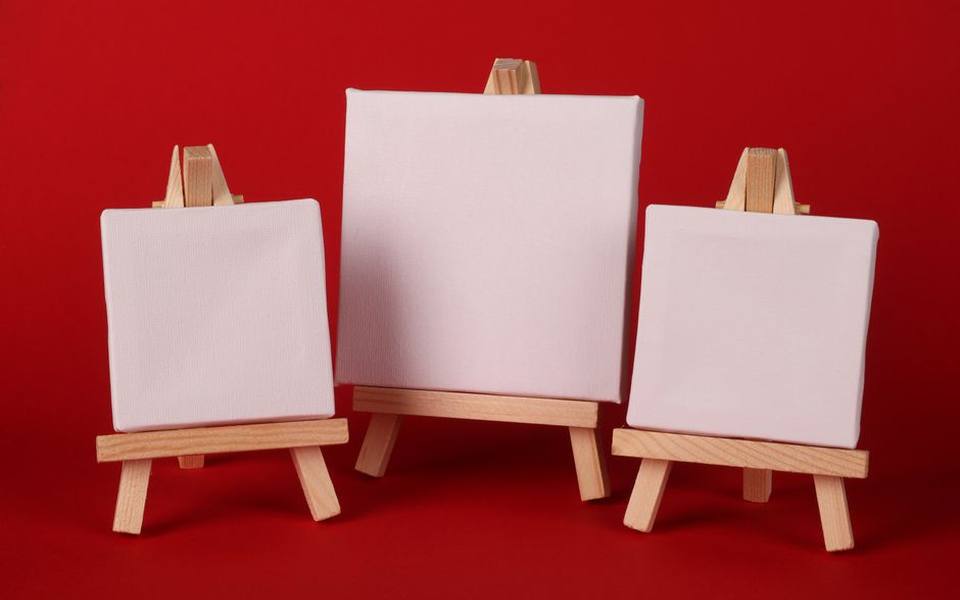
Polyester canvas offers exceptional tensile strength, making it much less prone to stretching out of shape when rooms undergo seasonal temperature changes. Inks laid onto tight polyester weaves generally sit closer to the surface, delivering striking color saturation, sharp detail lines, and deep black contrasts that work beautifully for vivid landscape photographs or digital graphic designs. Most modern production houses rely on specialized poly-cotton blends to combine the tactile texture of cotton with the structural stability of synthetic fibers.
Weave weight also plays an important structural role in overall finished quality, typically measured in grams per square meter. Lighter commercial fabrics around three hundred grams are easier to stretch tightly around corners but can occasionally appear thin under strong backlighting. Archival grades reaching well beyond four hundred grams per square meter feel robust, resist tearing around framing staples, and create an authentic tactile presence that elevates ordinary smartphone snapshots into substantial artistic focal points.
Determining canvas dimensions and room proportions
Selecting the right canvas size depends heavily on viewing distance and the surrounding wall space rather than just the pixel dimensions of your digital file. Hanging a modest eight-by-ten print above a sprawling living room sofa leaves the artwork looking isolated and undersized, while a dramatic thirty-six-by-forty-eight focal piece anchors the furniture below it. In most residential interiors, decorators aim for artwork to occupy roughly two-thirds to three-quarters of the total width of the furniture piece it hangs over.
Standard photographic canvas sizes commonly mirror familiar picture framing formats, including eleven-by-fourteen, sixteen-by-twenty, and twenty-four-by-thirty-six inches. Choosing standard commercial dimensions typically keeps production costs manageable and simplifies the process of sourcing open floating frames later if you decide to dress up the stretched edges. For oversized feature walls, splitting a panoramic panoramic image into a multi-panel triptych across three complementary frames provides visual intrigue without requiring a single unwieldy package.
Pay careful attention to room walking paths when deciding on total frame depth, as canvas profiles project noticeably away from flat drywall surfaces. While compact square layouts such as twelve-by-twelve inches work wonderfully along narrow hallways or breakfast nooks, large-format statements require sufficient clearance so visitors can step back several paces to take in the full composition without visual crowding or awkward neck angles.
Understanding the primary factors that dictate canvas pricing
The total price of a custom canvas print typically depends on raw fabric square footage, stretcher bar thickness, finishing sealants, and the underlying ink technology. Small desk-sized prints often cost relatively little, whereas large archival formats stretching several feet across can reach several hundred dollars depending on regional labor rates. Independent shops across regions like print centers in California or busy urban hubs may price work according to custom artisanal handling, whereas high-volume warehouses optimize for speed.
Stretcher bar depth introduces a noticeable price tier during the ordering process, separating slim decorative frames from heavy-duty gallery profiles. Thinner frames measuring roughly three-quarters of an inch cost less to manufacture and ship, but wider profiles exceeding one and a half inches require heavier lumber to prevent bowing. Furthermore, applying an optional hand-rolled UV varnish or matte protective laminate adds a modest finishing surcharge, though it substantially extends color fastness against direct sunlight and casual cleaning.
Hardware and assembly choices represent another variable in the final checkout total. While basic metal sawtooth hangers often come standard at no extra fee, professional hanging brackets, pre-installed braided steel wire, and premium corner bracing slightly increase initial production costs. In contrast to rapid self-service printing kiosks that churn out flat paper sheets, constructing stretched canvas requires manual assembly, staple gun work, and hand inspection that inevitably factor into shop rates.
Evaluating stretcher bar construction and wrap edge styles
The wooden interior skeleton supporting your print, known as the stretcher frame, determines whether the piece remains flat and square over the years. Quality print operations utilize kiln-dried pine or basswood bars milled with beveled outer edges that elevate the fabric slightly above the interior wood. This precise beveling prevents the inner wooden edge from pressing directly against the face of the canvas, eliminating visible impression ridges that mar smooth skies or solid color backgrounds.
Edge wrapping options significantly alter the exterior presentation of an unframed canvas print when viewed from side angles. A continuous image wrap pulls the peripheral edges of your original photograph around the four wooden sides, producing an attractive, modern three-dimensional effect. However, if essential subjects like people's heads or hands sit near the extreme outer margins of your file, stretching those details around the corners can awkwardly clip important compositional elements.
When your digital composition leaves little breathing room along the borders, ordering a solid color border, mirrored edge, or blurred wrap solves the layout dilemma. Mirrored wraps duplicate an inch of the outer perimeter, reversing the image onto the sides so no front content is sacrificed. Solid neutral borders, such as clean gallery black or pure exhibition white, create crisp geometric boundaries that look particularly refined when mounted inside modern wooden floating frames.
Preparing high-resolution digital files and scanning physical photographs
Achieving crisp photographic clarity across a large textured canvas requires submitting digital images with adequate resolution and proper pixel density. Because canvas fabric features an irregular woven texture, it naturally hides minor grain and softness better than high-gloss photo paper, yet an underexposed or pixelated source file will still print poorly. Aim for an output resolution between one hundred fifty and three hundred dots per inch at the exact final dimensions of the planned frame.
If you plan to turn vintage family portraits or physical paper prints into heirloom canvas wall displays, initial capture quality is paramount. Taking a quick phone snapshot of a glossy framed photo beneath ceiling lights produces glare and skewed perspective; instead, professional document scanning services ensure high-resolution flatbed captures with true color fidelity and balanced illumination. Digitizing historical prints at six hundred to twelve hundred dots per inch gives the shop sufficient visual data to enlarge small prints cleanly.
Keep color management rules in mind by setting your editing software to an sRGB or Adobe RGB working space, depending on what your print provider specifies. Wide-gamut commercial giclée machines utilize eight to twelve specialized pigment inks, reproducing rich tonal gradations that cheap four-color process presses cannot match. Supplying high-quality uncompressed TIFF or maximum-quality JPEG files preserves subtle shadow nuances across deep fabric weaves without introducing ugly digital compression artifacts.
Assessing print quality and identifying professional providers
A truly superior canvas print showcases accurate color rendition, clean corner folds, and balanced surface tension across the entire wooden perimeter. When evaluating an unfamiliar print house, inspect sample items to verify that the fabric corners are neatly tucked in hospital-style folds rather than bulked up with sloppy bunched fabric. Bulky, uneven corners prevent artwork from sitting flush against the wall and indicate hurried manual craftsmanship on the production line.
The ink chemistry used during production establishes the difference between short-lived promotional decor and true archival gallery art. Budget operations frequently use solvent or dye-based inks that deliver vivid initial brightness but can degrade or fade under normal interior lighting within a few short seasons. Reputable fine-art shops invest in genuine pigment-based inks combined with acid-free fabric primers, ensuring that family portraits and wedding memories resist yellowing and fading for generations.
Tension balance across the frame face can be tested by gently tapping the center of the stretched canvas with your fingertips. A properly assembled frame should sound and feel like a firm, resonant drum head, quickly rebounding without leaving surface ripples or slack corners. If you notice sagging in a newly delivered frame, the underlying wood may have warped or the technician failed to pull the fabric sufficiently taut prior to pneumatically stapling the reverse side.
Timing your purchase, shipping logistics, and tracking gift card promotions
Turnaround schedules for custom canvas wall decor typically range from two business days for rush local fabrications to several weeks during peak holiday ordering seasons. Unlike standard flat paper photographs that slide quickly into rigid envelopes, stretching canvas requires assembly, drying time for protective topcoats, and custom parcel packaging. Ordering well in advance of birthdays, anniversaries, or seasonal holidays avoids high expedited freight charges and holiday shipping bottlenecks.
Shoppers looking to stretch their decorating budgets frequently monitor seasonal gift card promotions and store credits issued around major retail holidays. Many regional studios and online print companies run promotions where purchasing advance credit cards provides bonus balance vouchers, effectively lowering the overall cost per custom print. Utilizing these gift credits during off-peak ordering months allows you to order large statement pieces while taking advantage of earlier seasonal pricing incentives.
Packaging safeguards are critical during transit, as mail carriers frequently puncture thin cardboard boxes with heavier parcels. Reliable print shops pack finished stretched frames within heavy double-walled corrugated cartons, fitting each corner with molded plastic or dense foam protectors. When your shipment arrives, inspect the outer carton for impact punctures before signing delivery receipts, as deep box tears can puncture the taught underlying canvas weave beneath the protective shrinkwrap.
Hanging, cleaning, and preserving your finished canvas displays
Long-term canvas preservation begins with selecting an appropriate hanging environment that minimizes exposure to destructive environmental variables. Never hang unprotected canvas prints directly opposite south-facing windows where raw ultraviolet light can cook the ink layers, nor directly above forced-air heating radiators that dry out wood frames. Similarly, displaying unsealed cotton canvases inside poorly ventilated bathrooms risks steam absorption, which inevitably breeds mildew behind the porous backer boards.
Maintaining your wall displays requires gentle, non-abrasive housekeeping techniques to prevent scratching the protective sealants. Dust the fabric face every few weeks using a clean, soft-bristled artist brush, feather duster, or static microfiber cloth without applying firm downward pressure. Avoid using chemical household glass cleaners, alcohol wipes, or abrasive sponge pads, as harsh solvents can dissolve protective coatings and strip away pigment layers, causing irreparable cloudy streaks across dark image sections.
Secure mounting hardware safeguards your investment against accidental bumps from children, pets, or seasonal drafts. While small prints hang comfortably from simple drywall hooks, heavier oversized frames require dual anchor points driven directly into wooden wall studs or heavy-duty hollow-wall anchors. Ensuring the display hangs evenly balanced on two wall anchors prevents the frame from shifting out of level whenever nearby exterior doors slam shut.
Deciding between neighborhood print shops and remote mail-order services
Deciding between a neighborhood print provider and an online mail-order service depends on your schedule, budget, and need for project oversight. Independent shops located throughout regions like commercial print shops in Texas give clients the chance to review hard-copy color proofs under calibrated studio lighting before authorizing final large-format runs. This hands-on collaboration virtually eliminates nasty surprises regarding color balance, skin tone rendering, and unexpected edge crops.
Remote mail-order labs offer convenience, streamlined online design editors, and automated cropping templates that walk beginners through upload steps within minutes. These national platforms often produce millions of prints annually, giving them economies of scale that can translate to appealing pricing tiers on standardized dimensions. However, customer service at large online facilities is largely handled via automated chat, making custom dimension requests or technical color profile inquiries more difficult to resolve.
Ultimately, weighing your personal artistic priorities leads to the right sourcing choice for your project. If you are decorating an entire office suite with standardized decorative scenery, high-capacity online fulfillment hubs deliver efficiency and straightforward billing. Conversely, when producing an irreplaceable wedding keepsake, a fine-art reproduction, or an odd-sized family heirloom, partnering directly with a dedicated neighborhood technician ensures meticulous craftsmanship from initial digital prepress through final corner stretching.
Published 2026-09-20 · reviewed with each rebuild, last September 2026.
Find places to print near you
The directory lists 23,804 places to print by state and city — pick your state or use the “Near me” button in the header.
More guides
-
 Service
Where to Get Passport and Visa Photos Taken: Costs and Specs
-
 Service
What Collating and Kitting Mean in Commercial Printing
-
 Service
Choosing Where to Print Your Digital Photos: Online Labs vs. Neighborhood Stores
-
 Buying
Standard Business Card Sizes, Stock Thickness, and Printing Costs
-
 Buying
Choosing the Right Custom T-Shirt Printing Method and Understanding Costs
-
 Service
A Practical Guide to Printing Digital Files, Fixing Common Output Errors, and Preparing Custom Media
-
 Buying
Understanding Sticker Cutting Styles: Die Cut, Kiss Cut, and Custom Formats
-
 Buying
Business Card Printing: Design, Templates, Finishes, and Local Vendors
-
 Buying
Custom T-Shirt Printing Guide: Screen Printing, DTG, and Ordering in Bulk
-
 Service
A Guide to Photo Printing, Passport Photos, and Custom Photo Books
-
 Buying
Digital and Physical Gift Cards: Buying, Printing, and Custom Solutions
-
 Buying
Custom Event Invitations: Graduation, Wedding, and Party Announcements
-
 Buying
Custom Canvas Prints: Framing Options, Wall Art Sizes, and Collage Design
-
 Service
Online Fax Services: Sending and Receiving Digital Faxes Without a Landline
-
 Buying
Custom Embroidered Patches, Clothing Badges, and Hat Embroidery
-
 Service
International Shipping Services: Comparing DHL, USPS, UPS, and FedEx
-
 Service
A Complete Guide to Custom Stickers, Vinyl Decals, and Die-Cut Labels
-
 Buying
Custom Drinkware and Water Bottle Printing Guide
-
 Buying
Custom Rubber Stamps and Self-Inking Stamp Guide
-
 Buying
Guide to Personalized Wrapping Paper and Custom Gift Packaging
-
 Buying
Custom Banners, Table Covers, and Trade Show Displays: Materials, Hardware, and Setup
-
 Service
Custom Apparel, Embroidery, and Patch Production Guide
-
 Buying
Custom Playing Cards and Deck Printing Buying Guide
-
 Service
Custom Greeting and Holiday Card Printing Guide
-
 Owning
Custom Vehicle Magnets and Bumper Stickers: Thickness, Durability, and Finish Guide