How Custom Drinkware Printing Works
Ordering customized drinkware involves transferring your artwork, logo, or personalized message onto a three-dimensional curved surface made of ceramic, stainless steel, glass, or plastic. Print providers use specialized machinery designed specifically to handle round vessels, ranging from cylindrical heat presses to multi-axis rotary UV printers. Understanding the underlying process helps you pick the right blank container and artwork layout, preventing unexpected delays or disappointing color reproduction before your order reaches production.
Production timelines typically range from three to ten business days, depending on whether the shop keeps blank inventory on hand or needs to source specialized containers from wholesale distributors. Single-piece orders are often handled through direct-to-film transfers or dye-sublimation, while bulk commercial orders generally rely on rotary screen printing or pad printing. Knowing what equipment a print shop utilizes gives you realistic expectations regarding minimum order thresholds, setup fees, and total turnaround times.
The overall cost typically depends on four variables: the base material of the vessel, the print method, the number of imprint colors, and the total quantity ordered. High-grade double-walled stainless steel naturally carries a higher baseline cost than basic ceramic or molded polyethylene, but it also delivers superior durability. Planning your budget around both the physical vessel quality and the graphic complexity ensures a balanced project outcome.
Choosing Between Ceramic Mugs and Everyday Coffee Cups
Ceramic remains the standard choice for morning coffee cups, offering substantial thermal retention, a classic tactile feel, and an approachable price point. When planning customized ceramic coffee mugs, you will generally choose between classic eleven-ounce diner styles, larger fifteen-ounce variations, and rustic stoneware with speckled glazes. Standard white ceramic provides the cleanest canvas for full-color photography and intricate logos, as translucent inks rely on a bright base to achieve true color accuracy.
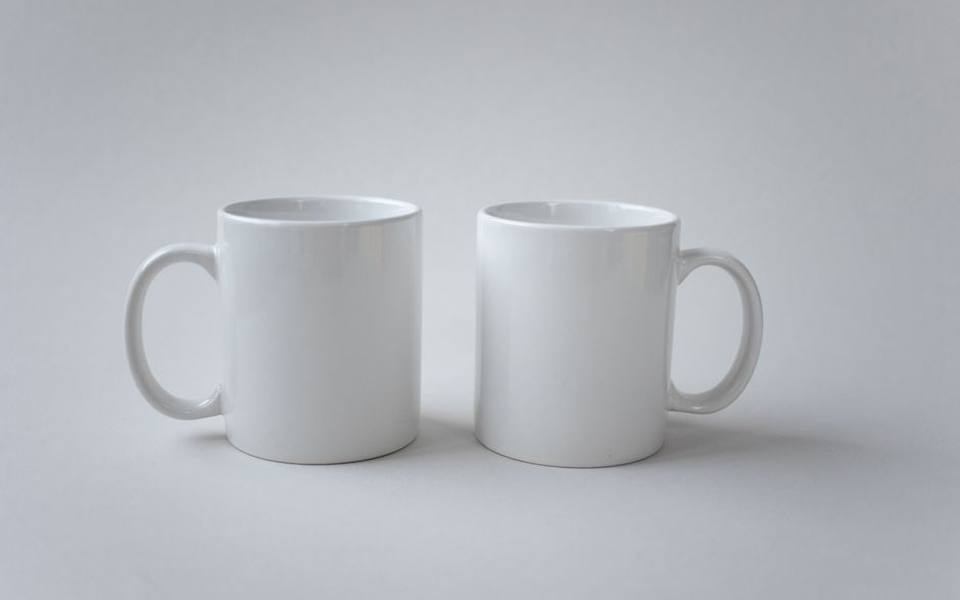
For people on the move, travel-friendly coffee cups made of double-walled stainless steel or composite materials offer spill-resistant lids and heat insulation that ceramic cannot match. Personalized travel mugs must fit standard vehicle cup holders, which generally requires a tapered base design rather than a straight cylinder. When designing for travel mugs, consider how the lid alignment affects the position of your graphic relative to right-handed and left-handed drinkers.
Stoneware, porcelain, and enamel camping mugs present unique aesthetic alternatives to standard glazed ceramic. Enamel-coated steel cups deliver a rugged, vintage appearance popular for outdoor events, though their rolled metal rims and occasional surface irregularities require simpler, bolder line art. If your project demands fine details or small typography, smooth glazed porcelain or standard ceramic will yield significantly sharper edge definition than rough-textured stoneware blanks.
Selecting Insulated Metal Flasks and Hydration Vessels
Vacuum-insulated metal hydration vessels have become the benchmark for personal drinkware due to their ability to keep beverages ice-cold or piping hot for hours. When ordering a personalized water flask, you are investing in a durable daily companion that reflects personal taste or corporate identity over years of use. These containers are manufactured with interior and exterior walls of food-grade stainless steel, separated by a vacuum pocket that prevents ambient temperature transfer.
Vessels constructed with powder-coated exterior finishes provide an exceptional tactile grip and resist chipping from daily drops, though they require specific decoration methods. Direct printing onto smooth powder coating requires specialized UV inks paired with chemical adhesion primers to ensure the design does not peel over time. Alternatively, many shops prefer laser etching on powder-coated flasks, which strips away the colored coating to expose the bare, reflective steel underneath.
Lid mechanics and mouth openings represent another key consideration when selecting insulated flasks. Wide-mouth styles facilitate easy ice loading and thorough interior cleaning, while narrow spouts or straw lids offer convenience during athletic activities. Ensure that your chosen print shop provides full wrap dimensions so your design harmonizes with lid seams, carrying loops, and the natural grip zone of the vessel.
Plastic Water Bottles for Teams and Large Events
Lightweight plastic drink bottles remain the most economical solution for athletic programs, charity races, summer camps, and large-scale promotional giveaways. When sourcing personalized plastic water bottles, verify that the manufacturer uses BPA-free materials such as high-density polyethylene, low-density polyethylene, or clear Tritan copolyester. Squeezable polyethylene bottles are ideal for cycling and team sports, whereas rigid copolyester containers mimic the clarity of glass without the risk of shattering.
Decorating plastic containers requires flexible inks that expand and contract as the bottle walls flex during use. Traditional screen printing with specialized vinyl-cured or epoxy inks provides vibrant spot-color results that withstand repeated squeezing without cracking. However, complex multi-color photographic artwork on flexible plastic is technically difficult to register accurately, so single-color or dual-color vector artwork is generally recommended for flexible sport bottles.
Environmental considerations also play an increasing role in consumer preferences for plastic drinkware. Many commercial print providers now offer recycled plastics (rPET) derived from post-consumer water containers, offering a sustainable narrative for eco-conscious organizations. These recycled options provide comparable structural durability and print clarity to virgin plastics while significantly reducing the environmental footprint of high-volume promotional runs.
Printing Methods Compared: Sublimation, Rotary UV, and Screen Printing
Dye-sublimation represents the go-to technique for full-color, photo-quality ceramic mugs and specially coated metal tumblers. In this process, solid dye particles on a printed transfer sheet turn into gas under extreme heat and pressure, penetrating the polyester polymer coating applied to the vessel. Because the dye becomes an integrated part of the chemical coating rather than a layer resting on top, sublimated surfaces remain completely smooth to the touch and resist scratching.
Rotary digital UV printing has revolutionized short-run custom drinkware by eliminating costly plate or screen setup steps. The cylindrical container rotates smoothly under an array of print heads that deposit microscopic droplets of UV-curable ink, which are immediately solidified by integrated ultraviolet lamps. Rotary UV allows for full-wrap graphics, gradient blends, textured spot-gloss varnishes, and raised tactile elements directly on untreated glass, raw metal, or painted substrates.
Rotary screen printing remains the industry standard for high-volume orders featuring one to three distinct spot colors. Ink is pressed through a tensioned woven mesh onto the rotating vessel, creating an opaque, vibrant layer of color with exceptional longevity. While screen printing carries initial screen preparation charges that make single-piece orders cost-prohibitive, it yields the lowest per-unit price when producing hundreds or thousands of identical custom-made drink bottles.
Laser Engraving Versus Ink Printing on Metal Surfaces
When decorating stainless steel tumblers and flasks, deciding between laser engraving and surface ink printing fundamentally alters the product's longevity and style. Laser engraving uses a focused beam of light to vaporize the surface finish or micro-etch the underlying metal, leaving a permanent mark that cannot chip, scratch, or wash away. This process is inherently monochrome, yielding a tone that reflects the raw base metal—typically silver or dark charcoal depending on the alloy.
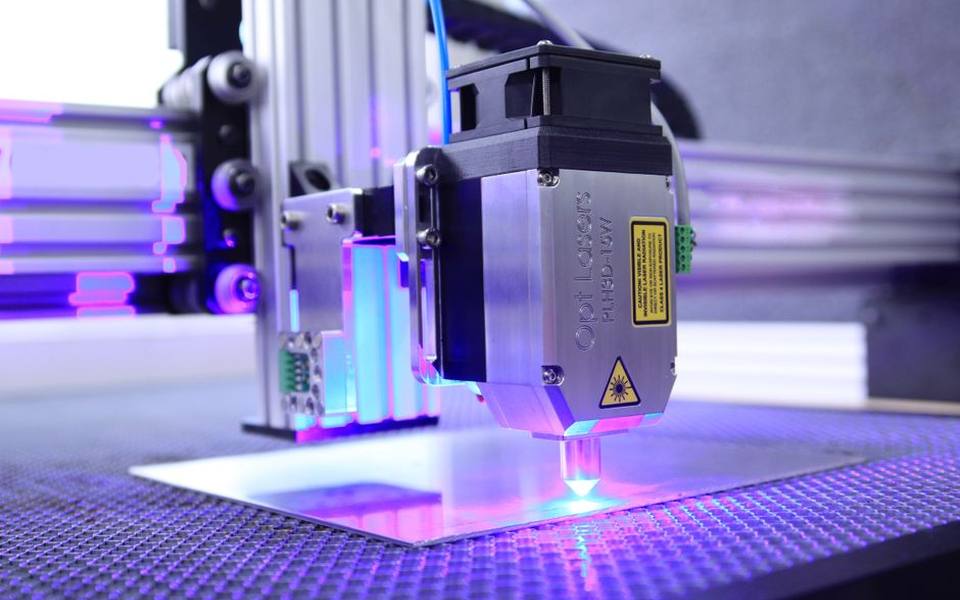
Surface ink printing, including rotary UV and pad printing, allows for precise corporate color matching, vibrant brand identities, and intricate multi-hue graphics. While modern inks cure with remarkable hardness, they remain a mechanical surface bond that can gradually degrade when subjected to abrasive scouring pads or harsh alkaline detergents. If your design relies on specific Pantone brand colors, ink printing is essential, whereas laser marking is unbeatable for rugged outdoor gear.
A hybrid aesthetic can also be achieved by combining tactile physical finishes with precision engraving. Matte powder-coated flasks in dark tones like navy, olive, or matte black provide dramatic visual contrast when the laser strips the coating away to reveal bright, brushed stainless steel. The resulting visual depth creates an executive look favored for corporate milestones, client gifts, and wedding party keepsakes.
Preparing Artwork and Templates for Curved Containers
Designing graphics for curved surfaces introduces optical challenges that do not exist in flat paper or banner printing. Cylindrical containers stretch graphics across a horizontal curve, meaning that wide horizontal logos can easily wrap around the sides and disappear from direct frontal view. Most seasoned print shops recommend keeping primary focal elements—such as a company crest or monogram—within an imprint width of two and a half to three inches for standard coffee mugs.
If you are submitting original artwork, vector files formatted as PDF, SVG, or EPS are strongly preferred over raster images because they scale cleanly without pixelation. For photographic submissions, files should maintain a resolution of at least three hundred dots per inch at final print dimensions. If you are starting from physical paper sketches or handcrafted drawings, using local document scanning services ensures your physical artwork is converted into a high-resolution digital format suitable for dye-sublimation.
Tapered vessels present additional geometric complexity because a flat rectangle printed around a cone will curve downward into an arc, creating distorted lines. Print shops provide specialized tapered templates that mathematically bow your flat artwork into an upward curve, ensuring that horizontal text appears straight once applied to the angled tumbler. Always request the supplier's exact dieline template before finalizing your design.
Order Volumes, Proofs, and Budget Considerations
Drinkware printing economics vary drastically between single personalized gifts and commercial bulk orders. For individual custom personalized coffee mugs or one-off gifts, direct-to-garment and desktop sublimation shops offer affordable unit costs without demanding minimum quantities. Conversely, when outfitting an entire workforce or athletic league, bulk manufacturers offer substantial volume discounts that dramatically reduce per-piece pricing once orders cross thresholds like fifty, one hundred, or five hundred units.
Always request a digital visual proof—and for substantial orders, a physical pre-production sample—before authorizing full manufacturing runs. A digital proof illustrates graphic placement, proportional scaling, and approximate color values against the mug blank. However, digital monitors display colors in backlit RGB, whereas printers operate in CMYK or spot inks, meaning slight shifts in color saturation are normal; a physical sample eliminates any lingering guesswork.
Be aware of peripheral fees that can impact your bottom-line budget beyond the advertised blank price. Setup fees for screen burning, cylindrical rotary tooling charges, specialized packaging, and heavy freight shipping can add noticeable overhead. Because glass and ceramic are heavy and fragile, shipping charges often constitute a significant percentage of the total project expense, making local fulfillment centers particularly attractive.
Washing and Maintenance to Preserve Custom Prints
Proper care is the single most important factor in determining how long customized drinkware maintains its factory-fresh appearance. Even the most durable UV inks and sublimated coatings can deteriorate when subjected to the harsh conditions of modern residential dishwashers. Standard dishwasher cycles combine extremely high water temperatures, caustic powder detergents containing bleaching agents, and intense pressurized spray arms that erode surface adhesion over time.
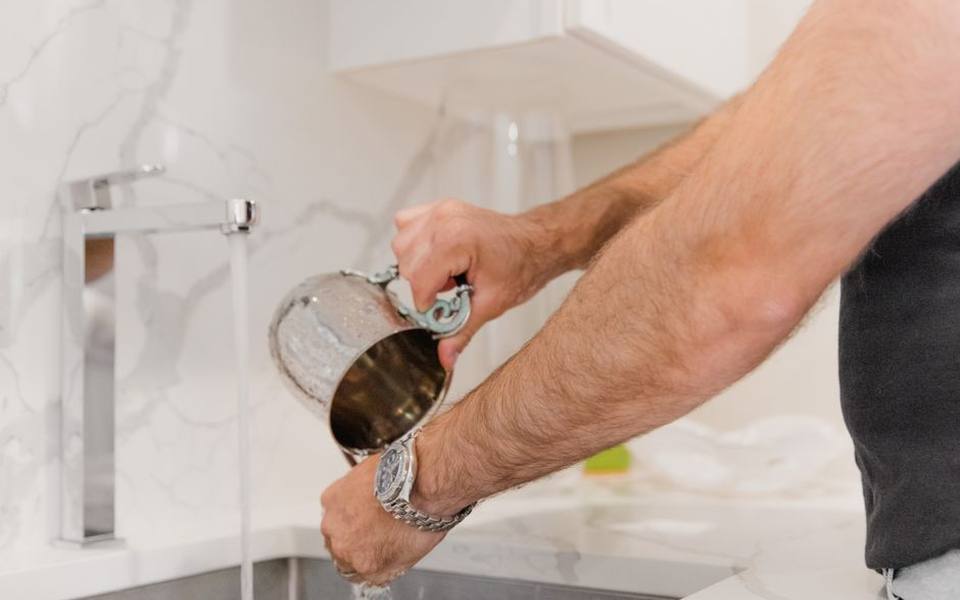
Hand washing with a soft microfiber sponge and mild, citrus-free dish soap is the universally recommended cleaning routine for any decorated drinkware. Abrasive scrubbing sponges, steel wool, and scouring powders will cause micro-scratches across the ink layer, dulling vibrant colors and eventually flaking fine lines. Soaking printed vessels in standing hot water for extended hours should also be avoided, as water can slowly migrate beneath polymer coatings.
Microwave safety requires careful evaluation based on both the base container material and the ink composition. Standard ceramic mugs printed with sublimation dyes are generally microwave-safe, but mugs decorated with metallic gold, silver, or platinum foil will spark and cause immediate fire hazards. Metal flasks and insulated stainless steel tumblers should never be placed in a microwave under any circumstances, as the metal reflects microwave radiation and can damage the appliance.
Finding a Reliable Local Print Specialist
While countless automated online portals sell custom-made drink bottles, partnering with a local print center offers practical advantages in quality assurance and personal guidance. Visiting a regional commercial printer allows you to physically handle blank mugs and bottles, testing lid mechanics, wall thickness, and weight balance before committing your budget. Local shops can also produce immediate physical test swatches so you can inspect color matching in natural lighting.
You can find experienced commercial printers and print specialists across metropolitan areas by browsing regional directories. Whether you are searching for experienced production facilities among places to print in California, independent commercial shops in Texas, or established print providers throughout New York, local professionals frequently offer faster turnaround and lower overall shipping costs for fragile freight.
Before placing your order, ask your chosen print specialist about their return policy regarding damaged transit goods or misprinted alignment. Inquire whether you can test basic design mockups on standard office equipment or utilize local self-service printing stations to check physical paper mockups wrapped around your vessel. Reviewing independent commercial listings across all states empowers you to locate seasoned technicians who take pride in executing clean, durable custom drinkware.
Published 2026-09-21 · reviewed with each rebuild, last September 2026.
Find places to print near you
The directory lists 23,804 places to print by state and city — pick your state or use the “Near me” button in the header.
More guides
-
 Service
Where to Get Passport and Visa Photos Taken: Costs and Specs
-
 Service
What Collating and Kitting Mean in Commercial Printing
-
 Service
Choosing Where to Print Your Digital Photos: Online Labs vs. Neighborhood Stores
-
 Buying
Standard Business Card Sizes, Stock Thickness, and Printing Costs
-
 Buying
Choosing the Right Custom T-Shirt Printing Method and Understanding Costs
-
 Service
A Practical Guide to Printing Digital Files, Fixing Common Output Errors, and Preparing Custom Media
-
 Buying
Understanding Sticker Cutting Styles: Die Cut, Kiss Cut, and Custom Formats
-
 Buying
How to Order Custom Canvas Prints: Materials, Sizes, and Costs
-
 Buying
Business Card Printing: Design, Templates, Finishes, and Local Vendors
-
 Buying
Custom T-Shirt Printing Guide: Screen Printing, DTG, and Ordering in Bulk
-
 Service
A Guide to Photo Printing, Passport Photos, and Custom Photo Books
-
 Buying
Digital and Physical Gift Cards: Buying, Printing, and Custom Solutions
-
 Buying
Custom Event Invitations: Graduation, Wedding, and Party Announcements
-
 Buying
Custom Canvas Prints: Framing Options, Wall Art Sizes, and Collage Design
-
 Service
Online Fax Services: Sending and Receiving Digital Faxes Without a Landline
-
 Buying
Custom Embroidered Patches, Clothing Badges, and Hat Embroidery
-
 Service
International Shipping Services: Comparing DHL, USPS, UPS, and FedEx
-
 Service
A Complete Guide to Custom Stickers, Vinyl Decals, and Die-Cut Labels
-
 Buying
Custom Rubber Stamps and Self-Inking Stamp Guide
-
 Buying
Guide to Personalized Wrapping Paper and Custom Gift Packaging
-
 Buying
Custom Banners, Table Covers, and Trade Show Displays: Materials, Hardware, and Setup
-
 Service
Custom Apparel, Embroidery, and Patch Production Guide
-
 Buying
Custom Playing Cards and Deck Printing Buying Guide
-
 Service
Custom Greeting and Holiday Card Printing Guide
-
 Owning
Custom Vehicle Magnets and Bumper Stickers: Thickness, Durability, and Finish Guide