The Mechanics of Ordering Custom Cards
Ordering tailored stationery starts with choosing whether you need a single keepsake or a batch of dozens to mail across the country. Commercial print shops handle both extremes, though the production path differs depending on your total volume. Single-piece orders usually run on dry-toner digital presses that quickly fuse ink onto standard pre-cut blanks, while bulk orders of fifty or more cards take advantage of high-speed digital sheet-fed production. Understanding this distinction early helps set realistic expectations for per-unit cost, paper availability, and turnaround schedules.
Production timelines typically range from same-day turnaround at neighborhood storefronts to several business days for jobs requiring specialty coatings or custom folds. When holiday volume peaks between November and December, production queues inevitably stretch out across the print industry. Planning your card project two to three weeks before your desired mailing date gives you room to review physical proofs, make typographical corrections, and avoid expedited shipping surcharges that can double your initial stationery budget.
Pricing across the market varies considerably based on paper density, total quantity, and surface embellishments. A single bespoke card produced at a counter might cost a few dollars, whereas batch orders of one hundred cards typically bring the per-piece rate down significantly. Understanding sheet imposition—how many cards fit onto a parent sheet of paper—reveals why standard dimensions like five-by-seven inches offer the most economical pricing across virtually every commercial print facility.
Selecting Cardstock Weights and Surface Textures
The tactile feel of a printed card immediately communicates its quality to the recipient before they even read the message inside. Paper thickness is measured in basis weight or points, where one point equals one-thousandth of an inch. Standard retail cards typically utilize 14-point to 16-point cover stock, which provides sufficient stiffness to stand upright on a mantelpiece without sagging. Lighter papers, such as 10-point or 80-pound cover, tend to feel flimsy and curl under humid household conditions.
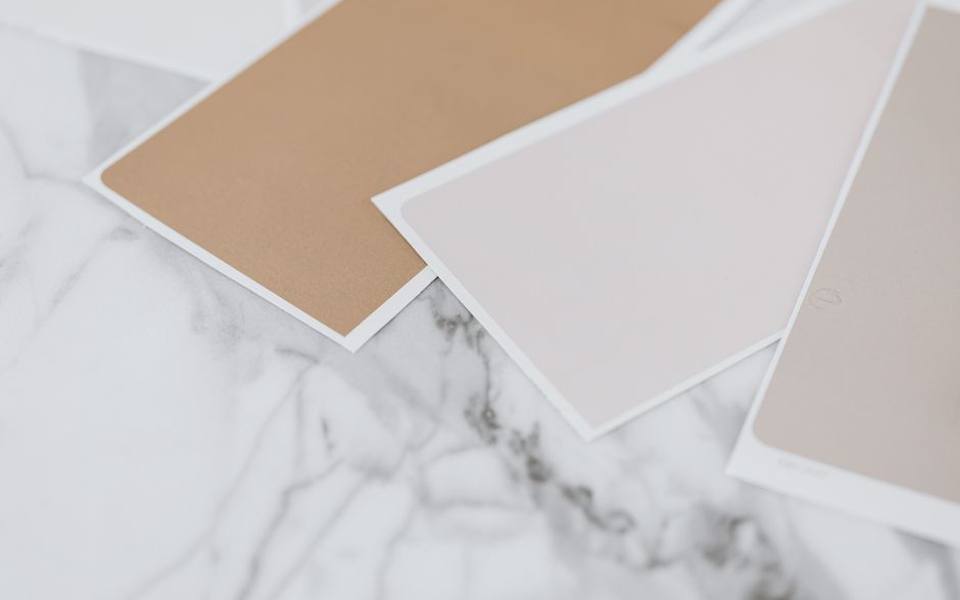
Surface finishes change both the appearance of your photography and the ease of writing personal notes by hand. Gloss coated stocks make photographic colors pop with deep contrast and vivid saturation, making them popular for vibrant family snapshots, but they resist standard ballpoint ink and smear easily. Matte and dull-coated stocks eliminate harsh light reflections while retaining sharp image details, offering a balanced middle ground that accepts most writing instruments without excessive drying time.
Uncoated and textured papers introduce a classic, artisan aesthetic well suited for formal greetings and hand-drawn artwork. Felt, linen, and cotton rag stocks feature noticeable organic textures that absorb ink slightly into the fibers, softening hard photographic edges and creating a warm, tactile experience. If your card design leaves the interior blank for handwritten thoughts, an uncoated interior ensures fountain pens and gel rollers glide smoothly without pooling or transferring onto the opposite page.
Crafting Memorable Custom Birthday Cards
Tailoring a birthday greeting allows you to move beyond generic store racks and create something directly relevant to the recipient's life. Rather than relying on standard rhyming verses, personalized layouts allow you to feature private jokes, childhood snapshots, or candid travel photographs from the past year. Print shops can easily accommodate one-off print runs or small family batches, giving you full creative control over the balance between imagery and written sentiment on both the exterior panels and interior spreads.
For milestone celebrations such as an eighteenth, fiftieth, or eightieth birthday, a commemorative card often doubles as an archival keepsake. Designing a multi-photo collage requires balancing visual hierarchy so the finished piece does not appear cluttered. Placing a dominant hero image on the front cover while scattering smaller secondary images across the inner left panel creates an orderly, intentional progression that invites the recipient to take their time opening the greeting.
If you want to integrate vintage family prints that exist only as physical photographs, digitizing them correctly is essential before laying out your design. Utilizing professional document scanning services guarantees that fragile, decades-old family memories are captured at high optical resolutions without color distortion or surface glare, providing a crisp digital file that scales beautifully to standard five-by-seven greeting dimensions.
Designing Personalized Winter Holiday Cards
Seasonal holiday mailings represent the highest-volume card printing period of the year for families and individuals alike. Whether you are assembling a cheerful end-of-year recap or a classic winter family portrait, the design must balance seasonal typography with authentic imagery. High-contrast outdoor photos taken during golden hour or against snowy backdrops reproduce exceptionally well on modern digital presses, provided the shadows contain enough detail to avoid muddy reproduction during the ink-setting process.
Adding decorative accents like metallic foil or spot gloss elevates a traditional holiday mailing into a striking luxury greeting. Digital foil application allows printers to apply real gold, silver, or rose gold metallic layers directly over digital toner without requiring expensive metal stamping dies. These specialty finishes work best when applied sparingly to headline greetings, snowflakes, or borders, ensuring the eye stays drawn toward your family imagery rather than competing visual elements.
Timing remains the single most critical factor in successful seasonal card campaigns. Print shops experience massive equipment backlogs starting just before Thanksgiving, and postal delivery networks face severe seasonal sorting volumes throughout December. Finalizing your digital layouts in early November allows you to take advantage of standard production turnaround times, review physical proofs comfortably, and get your envelopes into the postal stream well before holiday gatherings begin.
Corporate Greetings and Client Appreciation Mailings
Sending customized seasonal greetings to business clients, partners, and employees reinforces professional relationships far more effectively than automated email newsletters. A tangible piece of corporate stationery resting on an executive desk signals genuine investment and thoughtfulness. To strike the right tone, corporate card designs typically lean into tasteful, non-denominational seasonal motifs paired with subtle corporate branding that avoids looking like a blatant sales brochure.
High-volume business mailings require strict adherence to print consistency and data management. Many commercial printers offer dynamic variable data printing, which allows you to personalize each card with the recipient's individual name, company, and a specific salutation within a single production run. Combining this variable text printing with automated address printing directly onto matching envelopes eliminates hours of manual clerical labor and guarantees that every piece complies with postal automation standards.
Selecting paper stock for corporate mailings demands careful alignment with your brand values. Financial institutions and legal practices frequently choose heavy, watermarked cotton stocks or classic linen textures that project permanence and stability. Sustainable brands, by contrast, often opt for post-consumer recycled paper bearing recognizable environmental certification marks, communicating social responsibility to clients who pay close attention to corporate sustainability practices.
Custom Congratulations Cards for Life Milestones
Major life transitions—such as academic graduations, corporate promotions, retirements, and weddings—warrant heartfelt, tailored recognition. Off-the-shelf commercial stationery often feels impersonal or overly broad when celebrating a friend's hard-won accomplishment. By generating a customized layout, you can incorporate university colors, company insignias, or meaningful quotes that honor the specific journey the individual took to reach their goal.

For events like weddings or adoption announcements where multiple congratulations cards might be distributed among close circles, maintaining cohesive styling matters. Using clean, minimalist typography alongside generous negative white space creates an elegant framing effect that directs focus toward heartfelt personal messages. Including small details, such as the exact date of achievement or the formal title of an earned degree, transforms an everyday greeting card into a cherished historical document.
When assembling congratulations cards intended for team or office presentation, size selection becomes a functional concern. Standard small formats offer very limited room for multiple colleagues to write individual notes without crowding each other out. Opting for an oversized format, such as an eight-by-ten flat board or an eight-and-a-half by eleven folded folio, ensures that every team member has dedicated space to leave a handwritten congratulatory message.
Digital Image Preparation and Print Resolution
A common disappointment in custom card printing occurs when a digital photo that looked sharp on a backlit smartphone screen prints out soft, pixelated, or dark. Phone displays emit light and mask compression artifacts, whereas printed ink absorbs light and reveals every digital imperfection. To ensure razor-sharp output, all photographic assets should be formatted at a native resolution of 300 dots per inch at their final output dimensions rather than stretched from low-resolution social media downloads.
Color management is equally vital when transitioning from screen to physical paper. Digital devices render graphics using the additive red-green-blue spectrum, while commercial presses print using subtractive cyan-magenta-yellow-black inks. Bright, neon RGB tones cannot always be reproduced accurately in CMYK print spaces, leading to unexpected color shifts. Setting your design software to CMYK color mode before exporting your final press-ready PDF ensures the colors you review match the physical ink coming off the press.
Always incorporate a full bleed into your artwork files if you intend for colors or background photos to run entirely off the edge of the finished card. A standard bleed extends your artwork one-eighth of an inch beyond the final trim line on all four sides. Without this extra image margin, tiny mechanical paper shifts during high-speed cutting operations can leave unsightly, razor-thin white paper slivers along the perimeter of your cards.
Format Comparison: Flat Cards Versus Folded Folios
Choosing between a flat card and a traditional folded format depends on your content volume and how you expect the recipient to display the piece. Flat cards, often styled like premium double-sided postcards, have become the dominant format for contemporary holiday greetings and graduation announcements. They showcase a primary photograph cleanly on the front with brief text on the reverse, keeping production costs low and fitting neatly onto kitchen refrigerators with a single magnet.
Folded cards, on the other hand, provide four distinct surfaces for storytelling and offer an element of privacy. The physical act of opening a folded card builds emotional anticipation, concealing personal reflections or delicate family news until the recipient chooses to open it. Folded cards also feature greater structural stability, allowing them to stand upright on office desks, bookshelves, or holiday mantels without requiring auxiliary stands or leaning against other decor.
Both formats depend heavily on selecting the correct envelope pairing to protect the card during transit. The most ubiquitous stationery dimension is the A7 format, which measures roughly five-and-a-quarter by seven-and-a-quarter inches to accommodate a standard five-by-seven card. Investing in peel-and-seal envelopes saves substantial time compared to moisture-activated gum seals when preparing bulk holiday mailings, while heavier 80-pound text envelopes prevent dark interior printing from showing through to the exterior.
Local Print Centers Versus Online Production Options
When deciding where to produce your custom cards, weighing turnaround speed against hands-on paper inspection helps determine the ideal route. Online production hubs offer vast libraries of pre-made visual templates and convenient browser-based design editors, but you are forced to wait for shipping carriers and cannot verify paper texture until the package arrives. Local shops allow you to physically handle stock swatches and discuss technical requirements directly with the press operator.
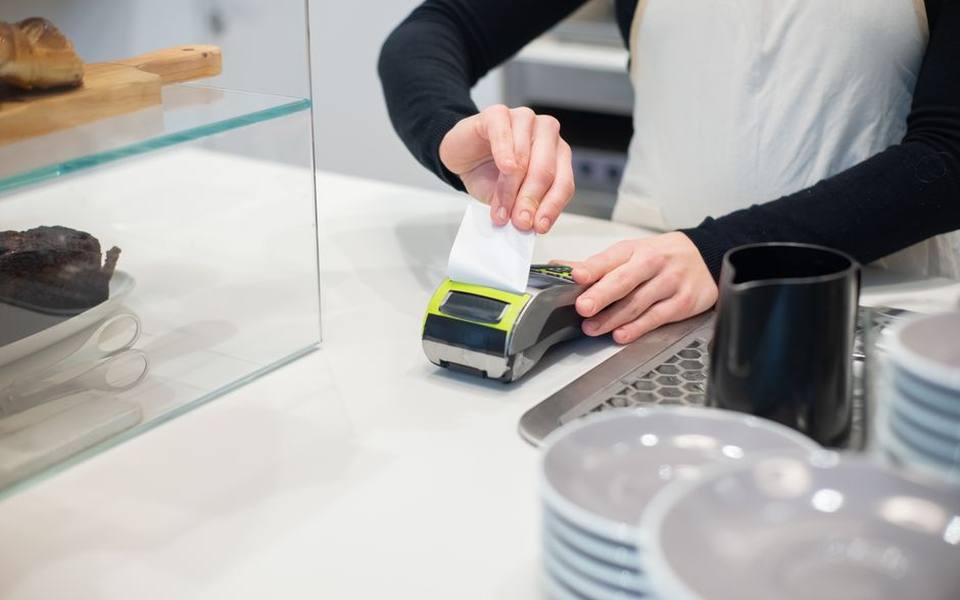
If you find yourself facing an immediate deadline, visiting a retail print shop or utilizing self-service printing kiosks can yield finished, cut cards in just a couple of hours. These walk-in stations generally handle standard paper dimensions and offer automated rotary cutters, making them a practical choice for last-minute birthday celebrations or urgent event invitations where waiting several days for commercial shipping is simply not an option.
Regional commercial print centers offer the broadest range of specialty equipment, from digital letterpress machines to wide-gamut ink presses. Residents evaluating neighborhood print vendors can explore options through dedicated state guides, such as print centers in California or commercial printers across New York, to find local facilities capable of handling complex finishing work like debossing, die-cutting, or metallic foil stamping on tight production schedules.
Pre-Press Proofing, Logistics, and Quality Checks
Before releasing an order of fifty or five hundred cards to production, conducting a meticulous pre-press audit saves you from costly reprints. The most frequent errors on custom greetings are not visual, but textual: misspelled family names, missing punctuation, outdated return addresses, or swapped calendar dates. Having a fresh pair of eyes proofread the final file—preferably printed out on standard office paper at actual physical size—catches mistakes that the designer's eyes glaze over on screen.
Always request a physical or high-resolution digital soft proof from your chosen printer before authorizing full-scale production. A digital PDF proof reveals whether font substitutions occurred during file transmission and highlights improper page orientations on folded cards. For large or expensive custom runs, ordering a single hard-copy proof ensures that color density, paper sheen, and fold scoring meet your standards before the press operator runs through hundreds of sheets.
Finally, factor in postal logistics well before your completed order arrives from the print shop. Standard domestic cards weighing less than one ounce and meeting normal dimensional aspect ratios require standard First-Class letter postage. However, cards printed on extra-heavy 32-point duplex board, square-shaped envelopes, or mailings secured with rigid wax seals incur non-machinable postal surcharges. Always weigh a fully assembled card, envelope, and decorative insert at your local post office prior to purchasing postage.
Published 2026-09-22 · reviewed with each rebuild, last September 2026.
Find places to print near you
The directory lists 23,804 places to print by state and city — pick your state or use the “Near me” button in the header.
More guides
-
 Service
Where to Get Passport and Visa Photos Taken: Costs and Specs
-
 Service
What Collating and Kitting Mean in Commercial Printing
-
 Service
Choosing Where to Print Your Digital Photos: Online Labs vs. Neighborhood Stores
-
 Buying
Standard Business Card Sizes, Stock Thickness, and Printing Costs
-
 Buying
Choosing the Right Custom T-Shirt Printing Method and Understanding Costs
-
 Service
A Practical Guide to Printing Digital Files, Fixing Common Output Errors, and Preparing Custom Media
-
 Buying
Understanding Sticker Cutting Styles: Die Cut, Kiss Cut, and Custom Formats
-
 Buying
How to Order Custom Canvas Prints: Materials, Sizes, and Costs
-
 Buying
Business Card Printing: Design, Templates, Finishes, and Local Vendors
-
 Buying
Custom T-Shirt Printing Guide: Screen Printing, DTG, and Ordering in Bulk
-
 Service
A Guide to Photo Printing, Passport Photos, and Custom Photo Books
-
 Buying
Digital and Physical Gift Cards: Buying, Printing, and Custom Solutions
-
 Buying
Custom Event Invitations: Graduation, Wedding, and Party Announcements
-
 Buying
Custom Canvas Prints: Framing Options, Wall Art Sizes, and Collage Design
-
 Service
Online Fax Services: Sending and Receiving Digital Faxes Without a Landline
-
 Buying
Custom Embroidered Patches, Clothing Badges, and Hat Embroidery
-
 Service
International Shipping Services: Comparing DHL, USPS, UPS, and FedEx
-
 Service
A Complete Guide to Custom Stickers, Vinyl Decals, and Die-Cut Labels
-
 Buying
Custom Drinkware and Water Bottle Printing Guide
-
 Buying
Custom Rubber Stamps and Self-Inking Stamp Guide
-
 Buying
Guide to Personalized Wrapping Paper and Custom Gift Packaging
-
 Buying
Custom Banners, Table Covers, and Trade Show Displays: Materials, Hardware, and Setup
-
 Service
Custom Apparel, Embroidery, and Patch Production Guide
-
 Buying
Custom Playing Cards and Deck Printing Buying Guide
-
 Owning
Custom Vehicle Magnets and Bumper Stickers: Thickness, Durability, and Finish Guide