How Custom Gift Wrap Is Produced and Sold
Personalized gift wrapping paper transforms an ordinary box into a deliberate presentation, whether you are preparing family holiday gifts or packing boutique retail orders. Most commercial print shops produce custom gift wrap using wide-format inkjet roll printers or cut-sheet digital presses. The method used dictates whether your finished product arrives as a continuous wound roll or a series of flat, pre-folded rectangular sheets.
Short-run production is typically handled by roll-fed pigment or latex ink printers capable of handling media widths between twenty-four and fifty-four inches. These machines allow customers to order single rolls featuring family portraits, custom graphics, or repeating monogram patterns without incurring heavy setup charges. When ordering just a couple of rolls, turnaround typically ranges from two to five business days depending on shop backlog.
For commercial runs or corporate holiday distributions, shops often turn to offset lithography or high-speed web presses. Bulk orders typically require minimums of several hundred yards, but they bring down the unit price significantly. Understanding which production method your local shop uses helps you determine whether roll stock or pre-cut flat packaging sheets best fit your wrapping project.
Selecting the Right Paper Weight for Crisp Folds
The thickness of wrapping stock drastically alters the wrapping experience and final package appearance. Standard drugstore wrap paper is notoriously thin, often milled around 40 to 50 pound text weight, which tears easily over cardboard corners. Customisable wrapping paper is typically printed on sturdier stock, ranging between 60 pound and 80 pound text paper to combine durability with pliability.
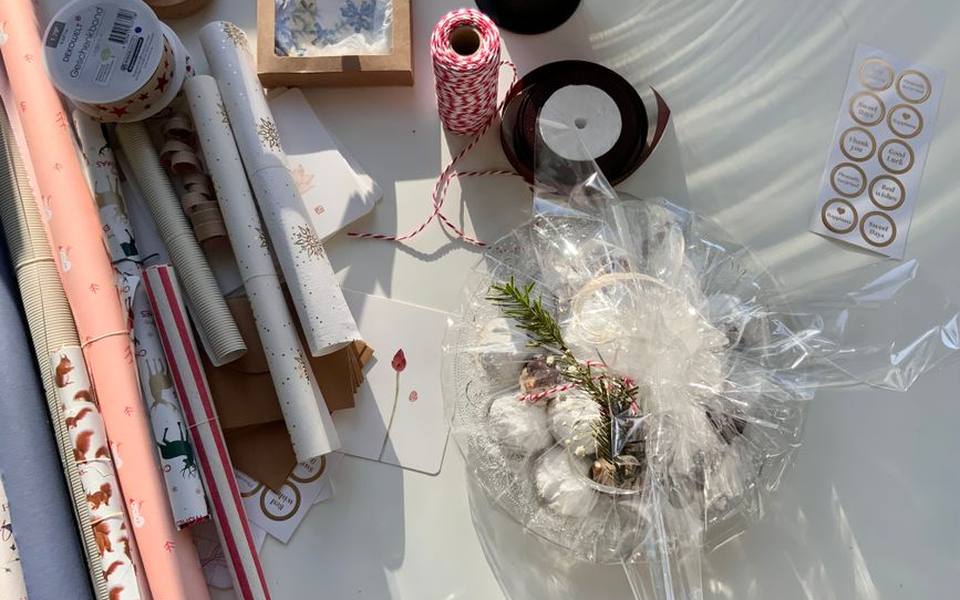
A 70-pound text paper represents the sweet spot for personalized gift paper. It is opaque enough to conceal dark commercial packaging underneath, yet light enough to create clean, sharp edges without tearing along the box creases. Heavier cover stock or 100-pound cardstock should generally be avoided for wrapping, as it resists folding and pops open against standard double-sided tape.
Natural kraft stock has also emerged as a leading substrate for custom gift wrap. Ranging from 50 to 70 pound natural fiber, uncoated brown or bleached white kraft provides an earthy, artisanal appearance. It absorbs inks deeply, yielding muted, rich tones that pair especially well with minimalist holiday designs, architectural line drawings, or single-color logos.
Evaluating Gloss, Satin, and Matte Finishes
Surface coatings determine both the visual depth of your printed graphics and the ease of handling your wrapped boxes. A gloss finish offers maximum color vibrance and deep black saturation, making photographic portraits and vivid multi-color illustrations stand out distinctly. However, high-gloss customized gift wrapper rolls reflect harsh indoor lighting and tend to show adhesive tape smudges quite readily.
Matte finishes produce zero surface glare and impart a soft, contemporary texture to personalized gift wrap. Matte paper works exceptionally well for delicate botanical patterns, handwritten calligraphy, and subdued pastel palettes. The surface accepts ink smoothly, though printers must ensure adequate curing time to prevent minor ink scuffing along high-friction fold lines during packing.
Satin, sometimes sold as silk or semi-gloss, provides a balanced middle ground that many professional gift packagers prefer. It delivers crisp image contrast without mirroring ambient overhead light, and it holds standard cellophane tape securely. When designing custom gift paper with saturated dark backgrounds, satin finishes reduce visible cracking at tight corners compared to heavy gloss sheets.
Designing Repeat Patterns and Grid Layouts
Creating effective customisable wrapping paper requires an understanding of pattern repeats. A straight repeat aligns design elements along standard horizontal and vertical rows, which is simple to set up but can appear static across wide surfaces. Half-drop repeats shift alternating columns downward by half the tile height, creating a more organic, continuous flow across larger gift parcels.
Scale is another crucial factor when laying out customized wrapping paper. An icon or illustration that looks readable on a laptop monitor may overwhelm a small jewelry box or disappear entirely on a wide wardrobe carton. A helpful rule of thumb is sizing focal elements between one and three inches, spacing them uniformly so at least two or three instances appear on any five-inch square surface.
Always build your template with bleed and seamless edge alignment in mind. Print shops require at least an eighth to a quarter inch of outer bleed on sheet products, and roll templates must align seamlessly at the horizontal edges to avoid visible banding lines. Testing your repeating swatch on a desktop printer or checking sample proofs helps catch unwanted seam breaks before final output.
Incorporating Family Photos and Custom Artwork
Putting personal photography onto personalized gift wrapping paper is popular for milestone birthdays, graduations, and winter holidays. To avoid blurry or pixelated results, your image assets should maintain at least 300 dots per inch at their final printed dimensions. Low-resolution social media downloads or screenshots frequently yield muddy faces and jagged edges once scaled up onto wide-format rolls.
If you are using physical archival prints, vintage childhood snapshots, or hand-painted children's holiday art, you will need clean digital files before generating patterns. Utilizing professional document scanning ensures that paper grain, brushstrokes, and authentic color balances are properly captured without the distortions caused by smartphone camera lenses.
Color management also deserves attention when converting digital screen photos to physical custom gift wrap. Computer screens display vibrant RGB light, whereas wide-format packaging printers render pigments via CMYK ink sets. Converting your files to CMYK before submitting your job lets you spot gamut clipping early, particularly with intense neon pinks, bright oranges, or electric blues.
Branded Packaging for Retail and Corporate Events
Businesses regularly employ personalized gift paper to elevate client appreciation gifts, launch PR boxes, and reinforce brand identity at checkout. Unlike stock retail packaging, custom wrap allows a company to feature brand patterns, trademarked taglines, and subtle watermark logos directly on outer surfaces. This creates a cohesive unboxing experience that customers frequently share across digital channels.
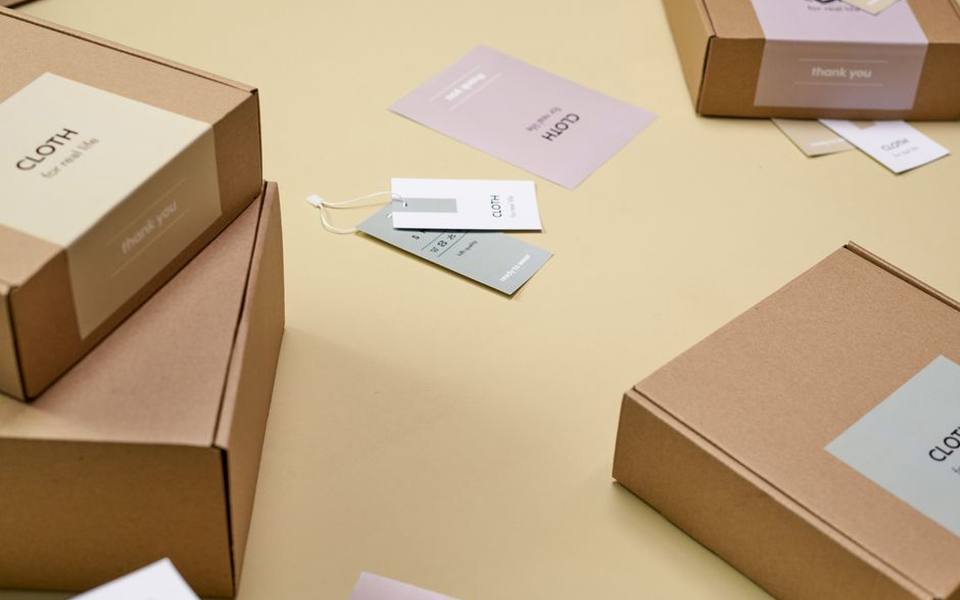
Corporate gifting runs often combine customized gift wrapper rolls with complementary branded packaging materials. Coordinating printed tissue sheets, custom die-cut tags, and branded ribbons creates a tactile layered presentation. For retail operations, thinner 50-pound paper speeds up the wrapping process at the register, allowing staff to wrap purchases rapidly without wrestling stiff paper folds.
Large-scale corporate distributions require color consistency across every production run. If your company relies on specific corporate spot colors, request physical wet proofs or color-matched test strips from your provider. Commercial print houses found across places to print in California and regional hubs routinely maintain strict color profiles to ensure enterprise logos look identical across roll wrap, boxes, and tags.
Roll Packaging Versus Pre-Cut Flat Sheets
When purchasing personalized gift wrapping paper, you must decide between continuous rolled media and flat, pre-cut sheets. Rolls are typically sold in thirty-inch widths with lengths running anywhere from six feet to thirty feet per core. Continuous rolls provide complete versatility, enabling you to wrap oversized toys, electronics, and long garment boxes without piecing multiple fragments together.
Flat wrapping sheets, usually sized at twenty by twenty-nine inches, are ideal for smaller household gifts, single books, or cosmetics sets. Flat sheets are easier to store in desktop drawers and eliminate the curling memory common to tight roll cores. However, they arrive either folded in quarters—leaving faint center creases—or shipped flat in rigid cardboard mailers, which can incur higher parcel shipping rates.
If you only need a handful of custom wrapping sheets for an immediate event, you can sometimes run smaller nineteen-by-thirteen-inch layout sheets on high-resolution laser machines. Checking out neighborhood shops that offer self-service printing can help you produce individual pattern sheets quickly on standard light cardstock for modest jewelry boxes and favor tins.
Adhesive Selection and Wrapping Technique
Even the finest custom gift wrap can look untidy if assembled using improper adhesives. Standard transparent glossy tape tends to peel away from heavy 70-pound satin stock and leaves noticeable shiny patches against matte paper. Professional wrappers rely on clear double-sided adhesive tape concealed entirely within the folded seams, giving boxes a seamless, tailored finish.
Bone folders or plastic scoring tools are invaluable when working with heavier personalised gift wrapping paper stocks. Running a bone folder along folded box edges creates crisp, knife-sharp creases that prevent the paper from bulging or puffing out along side panels. This step is particularly vital when using fibrous kraft wraps, which possess natural springiness and resist flat folds.
When cutting customisable wrapping paper to size, measure accurately before slicing into your rolls. A box requires enough paper to wrap around its perimeter with a two-inch overlap, and the side flaps need only reach about three-quarters of the box depth. Trimming away excess bulk eliminates bunched-up paper triangles that force seams open and distort your custom pattern.
Environmental Considerations and Recyclability
Environmental impact has become a major consideration for consumers and retailers buying custom gift packaging. Traditional mass-produced wrapping paper often contains metallic foils, non-recyclable glitter, and synthetic plastic films that prevent it from being processed at regional paper recycling centers. If packaging ends up in municipal sorting systems, mixed foil paper is generally diverted to landfills.

Truly recyclable personalized gift wrap relies on uncoated wood pulp stock and vegetable-based or water-based inks. Choosing natural kraft or FSC-certified white text paper ensures that receivers can place used wrapping directly into standard curbside recycling bins. Look for print shops that state their roll substrates contain post-consumer waste fibers and use non-toxic aqueous or UV-curable ink systems.
Avoid adding laminated plastic finishes or non-separable decorative elements if eco-friendly packaging is your goal. Instead of plastic stick-on rosettes, consider pairing your recyclable custom gift paper with natural jute twine, cotton ribbons, or sprigs of dried greenery. This sustainable approach yields an upscale presentation while minimizing residential holiday waste.
Finding Regional Shops and Managing Turnaround
While several online web-to-print portals offer customized wrapping paper, local commercial printers offer distinct advantages for tight deadlines and custom substrates. Working directly with a regional printer lets you inspect paper samples in person, evaluate texture, and view physical strike-off proofs before committing to an entire roll or high-volume corporate order.
Lead times for personalized gift paper surge substantially between late October and mid-December. While a regional shop might finish a short-run roll in forty-eight hours during spring, holiday queues often extend production to two weeks. Exploring regional directories across places to print in Texas or your local area helps you identify facilities equipped with in-house wide-format machines to bypass seasonal shipping delays.
Before submitting your final graphics to a printer listed on the main printing directory, confirm file requirements with their prepress department. Providing print-ready PDF files set to exact roll widths with embedded fonts and flattened vector layers prevents turnaround delays, ensuring your custom packaging arrives well ahead of your gift-giving event.
Published 2026-09-21 · reviewed with each rebuild, last September 2026.
Find places to print near you
The directory lists 23,804 places to print by state and city — pick your state or use the “Near me” button in the header.
More guides
-
 Service
Where to Get Passport and Visa Photos Taken: Costs and Specs
-
 Service
What Collating and Kitting Mean in Commercial Printing
-
 Service
Choosing Where to Print Your Digital Photos: Online Labs vs. Neighborhood Stores
-
 Buying
Standard Business Card Sizes, Stock Thickness, and Printing Costs
-
 Buying
Choosing the Right Custom T-Shirt Printing Method and Understanding Costs
-
 Service
A Practical Guide to Printing Digital Files, Fixing Common Output Errors, and Preparing Custom Media
-
 Buying
Understanding Sticker Cutting Styles: Die Cut, Kiss Cut, and Custom Formats
-
 Buying
How to Order Custom Canvas Prints: Materials, Sizes, and Costs
-
 Buying
Business Card Printing: Design, Templates, Finishes, and Local Vendors
-
 Buying
Custom T-Shirt Printing Guide: Screen Printing, DTG, and Ordering in Bulk
-
 Service
A Guide to Photo Printing, Passport Photos, and Custom Photo Books
-
 Buying
Digital and Physical Gift Cards: Buying, Printing, and Custom Solutions
-
 Buying
Custom Event Invitations: Graduation, Wedding, and Party Announcements
-
 Buying
Custom Canvas Prints: Framing Options, Wall Art Sizes, and Collage Design
-
 Service
Online Fax Services: Sending and Receiving Digital Faxes Without a Landline
-
 Buying
Custom Embroidered Patches, Clothing Badges, and Hat Embroidery
-
 Service
International Shipping Services: Comparing DHL, USPS, UPS, and FedEx
-
 Service
A Complete Guide to Custom Stickers, Vinyl Decals, and Die-Cut Labels
-
 Buying
Custom Drinkware and Water Bottle Printing Guide
-
 Buying
Custom Rubber Stamps and Self-Inking Stamp Guide
-
 Buying
Custom Banners, Table Covers, and Trade Show Displays: Materials, Hardware, and Setup
-
 Service
Custom Apparel, Embroidery, and Patch Production Guide
-
 Buying
Custom Playing Cards and Deck Printing Buying Guide
-
 Service
Custom Greeting and Holiday Card Printing Guide
-
 Owning
Custom Vehicle Magnets and Bumper Stickers: Thickness, Durability, and Finish Guide