How to Choose Where to Print Your Business Cards
Choosing where to produce your business cards comes down to a balance between turnaround speed, paper tactile quality, and total order volume. Most buyers choose between high-volume web platforms, national office supply counters, and neighborhood commercial print shops. If you need several hundred standard cards on a modest budget and can wait a week for shipping, ordering business cards online from an automated facility typically delivers the lowest per-unit price. However, when an unexpected trade show or sales pitch happens tomorrow, same-day retail pickup becomes the only practical route.
Local print shops occupy the premium middle ground for professionals who care deeply about physical presentation. While automated web interfaces limit you to standardized dropdown menus, an independent shop lets you inspect physical paper sample books, compare matte laminates under natural light, and evaluate physical proofs before committing to a full run. For small business owners who require exact color matching to match existing signage, working directly with a commercial printer avoids the slight color drifting that frequently occurs on gang-run presses used by discount online printers.
Your decision should also factor in the complexity of your artwork and how comfortable you feel with prepress file setup. Web-based portals work well when you upload a finished graphic file that already meets standard bleed and margin specifications. If you need help laying out typography, aligning logos, or verifying that small font sizes will remain crisp after ink hits paper, a dedicated print counter offers hands-on guidance that automated portals cannot match.
Using Online Generators and Pre-Made Layout Templates
Designing a professional card no longer requires advanced desktop publishing software. Browser-based design platforms and an integrated business cards generator allow anyone to arrange contact information, social handles, and company branding within minutes. Popular web apps like Canva business cards design suites provide pre-set layout grids that automatically keep your text within safe cutting boundaries. These platforms are especially helpful for freelancers, tradespeople, and startup founders who need a clean, balanced presentation without hiring a freelance graphic designer.
Using business cards templates saves considerable time, but you must remain mindful of common template pitfalls. Thousands of businesses rely on the exact same stock layouts, meaning your card could look identical to a competitor operating in the same territory. To make pre-made business cards templates feel unique, customize the typography, upload your own high-resolution vector icon, and adjust color palettes to mirror your actual brand guidelines rather than accepting the template defaults.
Pay special attention to your export settings once your template design looks complete. Many online generators default to web-optimized RGB files at seventy-two dots per inch, which will produce fuzzy letters and muddy colors when transferred to paper. Always download your print file as a press-ready PDF with CMYK color mode selected and crop marks enabled. If your artwork incorporates hand-drawn sketches or physical signatures, using local document scanning can help digitize those assets at high resolution before placing them into your digital template.
Understanding Card Stock Weights, Textures, and Coatings
The physical weight of paper stock immediately telegraphs your brand's attention to detail the moment someone takes your card. Standard commercial cards rely on fourteen-point or sixteen-point card stock, which feels sturdy enough to resist casual bending inside a wallet. Economy runs sometimes drop down to twelve-point paper to reduce postal shipping fees, but these thin cards often feel flimsy and cheap to recipients. For an elevated executive feel, thirty-two-point triple-layer papers feature a dense, unbending core with a colored paper seam running through the center.
Surface coatings dramatically alter both readability and durability. A glossy UV coating creates a slick, reflective surface that makes photographs and vivid illustrations pop, though it prevents recipients from jotting down notes with standard ballpoint pens. A smooth matte finish or soft-touch velvet laminate provides a modern, glare-free aesthetic that feels warm and tactile in hand. Uncoated linen and cotton stocks offer classic cross-hatch textures favored by law firms, financial advisors, and boutique consultants who value traditional craftsmanship.
Consider how your card will be handled during everyday networking before choosing your finish. High-gloss coatings can show fingerprint smudges under bright conference lighting, while completely uncoated stocks are more vulnerable to scuffing and moisture damage if carried loose in a pocket. Matte aqueous coatings generally provide the most versatile balance, protecting dark ink coverage from edge flaking while maintaining a clean, professional appearance over months of storage.
Same-Day Retail Printing for Urgent Networking Needs
When an executive realizes at four in the afternoon that their card box is empty before an early morning flight, retail print counters provide a vital safety net. National chains offering Staples business cards services and similar office retail counters can often print, cut, and box standard orders within several hours. These operations rely on dedicated digital production presses capable of turning digital files into finished cards on short notice without the setup delays associated with conventional offset equipment.
While fast retail pickup solves immediate logistical emergencies, certain compromises in paper stock variety and cut precision are common. Retail counters stock a curated selection of twelve-point to sixteen-point white stocks with standard gloss or matte finishes, meaning ultra-heavy card stocks or specialty textured papers are rarely available on a same-day timeline. Furthermore, walk-in customers utilizing self-service printing equipment for basic paperwork will find that card slitting requires staff-assisted production equipment for accurate sizing.
To ensure your same-day order turns out properly, submit your files as early in the business day as possible. Early submissions give retail technicians adequate time to run test proofs, trim edges cleanly without blade chatter, and box your cards before the evening rush. Always inspect the trimmed edges and color alignment at the service counter before walking out of the retail store so staff can promptly correct any misaligned margins.
Premium Finishes, Raised Details, and Metal Cards
When entering competitive luxury markets, standard paper cards sometimes fail to make the lasting impression required to close high-tier deals. Specialty embellishments such as raised spot UV, holographic foil stamping, and blind embossing add dimension to logos and typographic headers. Raised spot gloss creates a tactile, glassy relief over matte paper, encouraging the recipient to run their thumb across the surface. These specialized mechanical finishes require dedicated tooling or digital varnish heads, which adds several days to production turnaround.
At the extreme high end of corporate networking, custom metal business cards offer an undeniable statement of permanence. Typically manufactured from stainless steel, matte black brass, or anodized aluminum, metal cards feature chemical photo-etching, laser engraving, and custom cutouts that cut completely through the plate. Because these cards are heavy, rigid, and distinctly cool to the touch, recipients almost never discard them, frequently keeping them displayed on desks as conversation pieces.
However, metal business cards require practical planning before you distribute them widely. Each metal card weighs substantially more than paper stock, making it uncomfortable to carry more than three or four inside a jacket pocket. Production costs per card can easily run ten to twenty times higher than premium paper, making them best suited for VIP sales pitches, real estate closings, and executive introductions rather than mass distribution at trade show booths.
Comparing High-Volume Vendors and Specialty Web Printers
The online printing landscape is broadly divided between value-driven automated aggregators and design-focused boutique platforms. Ordering Vistaprint business cards exemplifies the mass-market approach, leveraging automated gang-run printing where hundreds of individual customer files are combined onto large press sheets. This automated scale drives manufacturing costs down substantially, allowing businesses to purchase five hundred cards for a fraction of what an independent custom press would charge for setup time.
At the other end of the web-to-print spectrum, premium specialty platforms like Moo business cards focus heavily on distinctive paper weights, specialized sizes, and curated design finishes. These services frequently offer unique options like rounded corners, square proportions, half-width mini cards, and multivariant printing that places a different photograph or artwork on the back of every individual card in the pack. The resulting cards feel noticeably thicker and more contemporary, though the cost per piece is correspondingly higher.
Choosing between high-volume providers and boutique platforms hinges entirely on your audience and distribution strategy. If your sales representatives hand out dozens of cards daily at commercial expos, affordable business cards produced through high-volume batch printing represent the most sensible operational expense. Conversely, creative directors, photographers, and independent architects often justify boutique pricing because their cards function as micro-portfolios that directly validate their visual taste.
Budget Strategies for Inexpensive and Affordable Batches
Ordering inexpensive business cards does not require sacrificing basic professionalism if you understand how commercial print pricing works. The most significant price jumps occur when you request custom die-cut shapes, unusual sizing, metallic foils, or duplexed multi-ply stocks. By sticking strictly to the standard North American business card dimension of three and a half by two inches, you allow the printer to maximize layout efficiency on their parent sheets, keeping unit costs low.
Volume breaks also play a massive role in lowering costs. Commercial printers face fixed setup expenses regardless of whether they print fifty cards or a thousand, including ripping digital files, calibrating toner or ink densities, and adjusting rotary cutters. Consequently, stepping up from a pack of one hundred cards to five hundred or one thousand often increases the final invoice by only a modest percentage, drastically slashing your individual cost per card.
To keep expenses minimal without looking cheap, choose a sturdy sixteen-point matte or uncoated paper and rely on clean graphic design rather than expensive press effects. Simple black typography on crisp white stock looks intentional, timeless, and sophisticated when spaced with disciplined margins. Many professionals ordering affordable business cards achieve better visual results with minimalist monochrome layouts than peers who clutter their cards with cheap-looking simulated foil textures.
Preparing Print-Ready Files and Avoiding Layout Mistakes
The majority of disappointing print orders stem from basic graphic preparation mistakes rather than mechanical press failures. When commercial cutters slice through stacks of hundreds of cards simultaneously, slight mechanical movement of a millimeter can occur. To prevent awkward white slivers along the edges, your background color or image must extend into a bleed area that measures an extra eighth of an inch beyond the final trim line on all four sides.
Equally crucial is respecting the inner safe zone, which sits an eighth of an inch inside the finished cut line. All critical content—including names, direct telephone numbers, company titles, and logos—must remain strictly inside this safety boundary. If text crowds the perimeter, even a microscopic cutting shift can clip off the first letters of an email address or leave typography looking awkwardly jammed against the edge.
Finally, always verify that your artwork is flattened, fonts are converted to outlines, and color profiles are set to CMYK. Computer monitors display visuals using RGB light, which can produce neon greens and electric blues that standard four-color printing presses cannot reproduce with cyan, magenta, yellow, and black pigments. Converting your file prior to upload lets you preview realistic ink shifts on screen, preventing unpleasant color surprises when the finished shipping box arrives.
Functional Accessories: Cases, Holders, and QR Codes
How you carry and display your cards in the field matters just as much as the paper stock you select. Storing a stack loose in a briefcase pocket, purse, or trouser pocket quickly leads to creased corners, softened edges, and dirt smudges. A dedicated pocket business cards holder keeps your cards pristine, flat, and ready for immediate presentation. Anodized aluminum and stainless steel cases provide rigid crush protection, while leather and fabric sleeves offer a softer executive look.
For stationary environments such as front reception desks, trade show counters, and professional conference tables, a clean business cards holder ensures your contact materials remain tidy and inviting. Weighted acrylic, solid walnut, and brushed brass desk holders present your cards facing upward at a natural reading angle, making it easy for visiting clients to take one without disturbing the rest of the display stack.
Modern card design also frequently bridges physical networking and mobile digital contact saving through QR codes. Placing a compact, high-contrast QR code on the back of the card allows recipients to scan your information straight into their mobile phone address books via standard vCard protocols. Keep the QR code at least eight-tenths of an inch wide with adequate white quiet space surrounding it so smartphone camera lenses can instantly focus and read the code in low-lit environments.
Working with Local Print Shops and Building Brand Collateral
While automated web portals dominate standard card orders, local commercial print shops remain invaluable partners for growing companies. In major business markets across the country, finding experienced places to print in Texas or seeking out specialized places to print in New York connects you with experienced press operators who can handle complex custom packaging, custom envelope printing, and unique tactile paper stocks that automated portals refuse to process.
Working locally also allows you to align your business card printing with broader physical marketing campaigns. An experienced neighborhood shop that prints your business stationery can simultaneously coordinate your banners, brochures, window decals, and even large-scale vehicle wrap printing and installation. This unified local production ensures that your corporate color palettes and graphic standards remain perfectly consistent across every medium your customers encounter on a daily basis.
Before selecting a local vendor, call ahead or stop by to inspect their paper swatch decks and review recent client samples. Discussing turnaround schedules, pickup options, and digital proofing procedures upfront ensures a smooth production experience and establishes a reliable relationship for all your company's ongoing print and stationery needs.
Published 2026-09-20 · reviewed with each rebuild, last September 2026.
Find places to print near you
The directory lists 23,804 places to print by state and city — pick your state or use the “Near me” button in the header.
More guides
-
 Service
Where to Get Passport and Visa Photos Taken: Costs and Specs
-
 Service
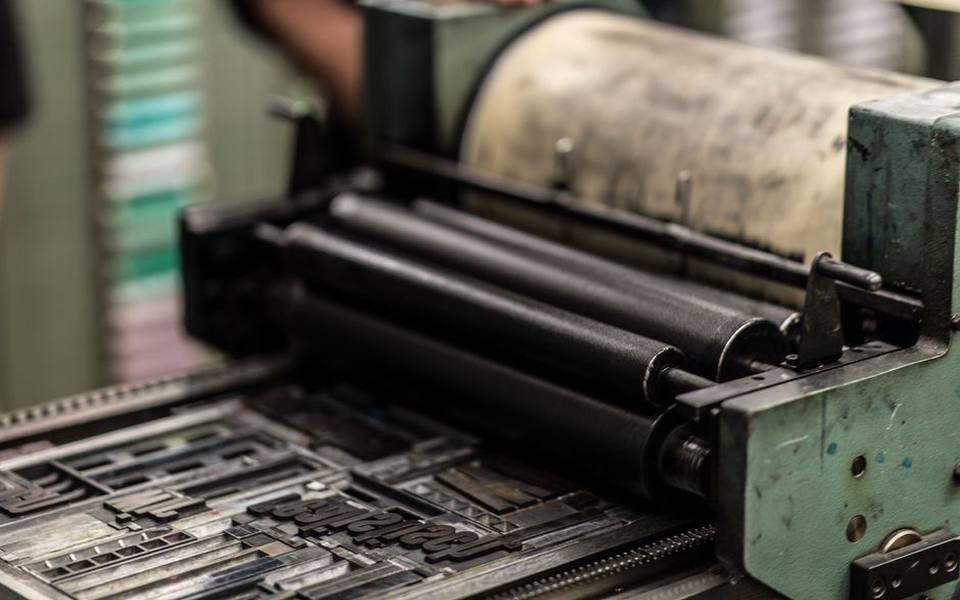
What Collating and Kitting Mean in Commercial Printing
-
 Service
Choosing Where to Print Your Digital Photos: Online Labs vs. Neighborhood Stores
-
 Buying
Standard Business Card Sizes, Stock Thickness, and Printing Costs
-
 Buying
Choosing the Right Custom T-Shirt Printing Method and Understanding Costs
-
 Service
A Practical Guide to Printing Digital Files, Fixing Common Output Errors, and Preparing Custom Media
-
 Buying
Understanding Sticker Cutting Styles: Die Cut, Kiss Cut, and Custom Formats
-
 Buying
How to Order Custom Canvas Prints: Materials, Sizes, and Costs
-
 Buying
Custom T-Shirt Printing Guide: Screen Printing, DTG, and Ordering in Bulk
-
 Service
A Guide to Photo Printing, Passport Photos, and Custom Photo Books
-
 Buying
Digital and Physical Gift Cards: Buying, Printing, and Custom Solutions
-
 Buying
Custom Event Invitations: Graduation, Wedding, and Party Announcements
-
 Buying
Custom Canvas Prints: Framing Options, Wall Art Sizes, and Collage Design
-
 Service
Online Fax Services: Sending and Receiving Digital Faxes Without a Landline
-
 Buying
Custom Embroidered Patches, Clothing Badges, and Hat Embroidery
-
 Service
International Shipping Services: Comparing DHL, USPS, UPS, and FedEx
-
 Service
A Complete Guide to Custom Stickers, Vinyl Decals, and Die-Cut Labels
-
 Buying
Custom Drinkware and Water Bottle Printing Guide
-
 Buying
Custom Rubber Stamps and Self-Inking Stamp Guide
-
 Buying
Guide to Personalized Wrapping Paper and Custom Gift Packaging
-
 Buying
Custom Banners, Table Covers, and Trade Show Displays: Materials, Hardware, and Setup
-
 Service
Custom Apparel, Embroidery, and Patch Production Guide
-
 Buying
Custom Playing Cards and Deck Printing Buying Guide
-
 Service
Custom Greeting and Holiday Card Printing Guide
-
 Owning
Custom Vehicle Magnets and Bumper Stickers: Thickness, Durability, and Finish Guide