The Basics of Custom Patches and Direct Apparel Embroidery
Custom embroidered patches provide a flexible, long-lasting way to display logos, emblems, and insignia on workwear, team uniforms, and accessories. Unlike direct garment embroidery where needles stitch thread straight into the garment weave, an emblem is manufactured independently on a heavy twill foundation before being attached to fabric. This distinct construction gives the piece a crisp, raised texture and sharp edges that hold up over years of daily wear. Understanding how standalone emblems differ from direct embroidery helps businesses and organizations choose the most cost-effective and visually striking method for their staff apparel.
Choosing standalone badges over direct stitching offers significant logistical advantages, especially for organizations with evolving rosters or multiple garment styles. A company can order a bulk batch of matching cloth emblems and apply them as needed to heavy canvas jackets, polo shirts, aprons, or gear bags. If an employee changes roles or a garment suffers damage in the field, replacing a single shirt does not require paying a digitizing fee or machine setup charge all over again. The existing patch inventory can simply be sewn or ironed onto the replacement item.
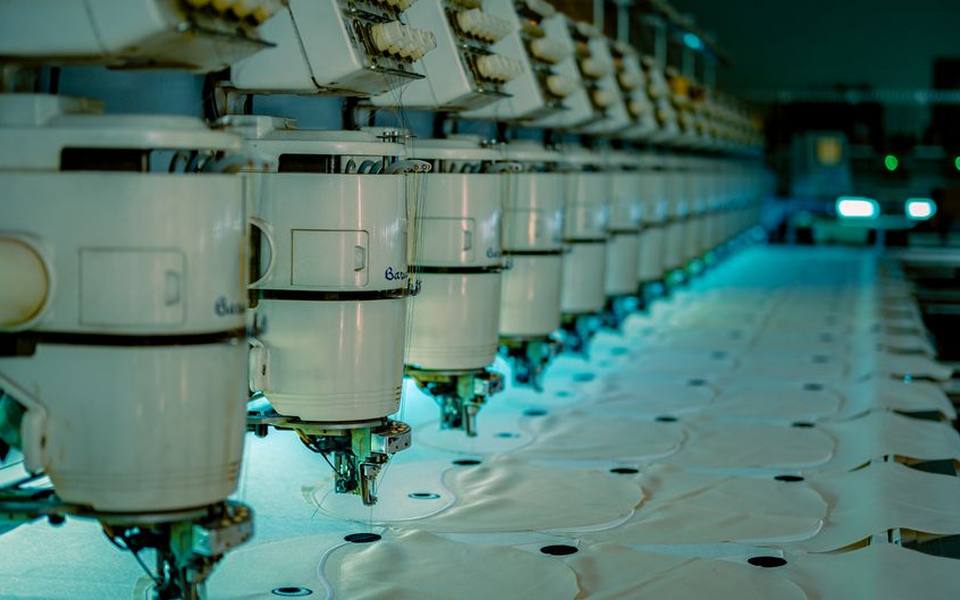
The manufacturing process relies on specialty computerized multi-needle embroidery machines that interpret digitized stitch files with microscopic precision. Dense polyester or rayon threads recreate intricate company logos, club insignias, and lettering across high-tensile fabric backings. Whether you need twenty pieces for a local club or thousands for a statewide corporate crew, commercial embroidery houses can scale production smoothly. When coordinating brand merchandise alongside company fleet graphics, many businesses turn to shops offering vehicle wrap printing and installation to align vehicle logos with uniform emblems.
How Iron-On Backing Compares to Traditional Stitching
Iron-on embroidered patches feature a dry, heat-activated adhesive film applied to the reverse side during manufacturing. When pressed with a commercial heat press or a household iron at specific temperatures, the adhesive melts, penetrates the fabric weave beneath, and solidifies as it cools. This creates a strong bond without requiring needlework or specialized tailoring skills. For quick uniform rollouts, club jackets, and retail merchandise, heat-seal backing provides a clean finish without visible stitches perforating the face of the emblem.
While heat-activated adhesives perform reliably on standard cotton, denim, and polyester-cotton blends, they are not universally suited for every fabric type. Waterproofed outer shells, nylon windbreakers, treated rain gear, and high-stretch synthetic athletic knits often resist heat bonding or can scorch under high application temperatures. For these sensitive garments, standard iron-on badges typically need a reinforced perimeter stitch to prevent the corners from lifting after repeated laundry cycles. Understanding the base garment fabric ensures you pick the right attachment technique.
In commercial laundry environments or rugged industrial work settings, heat alone might not survive industrial detergents and high-heat tumble dryers indefinitely. Many professional uniform managers use the iron-on backing primarily as a temporary placement tool during assembly. The adhesive holds the patch perfectly centered and flat against the pocket or sleeve, allowing a seamstress to run a quick perimeter lockstitch without needing pins or basting tape. This hybrid approach combines rapid application speed with indestructible mechanical durability.
Designing Artwork and Preparing Digital Stitch Files
Transforming a graphic design into an embroidered cloth badge requires a specialized technical step known as embroidery digitizing. Unlike digital paper printing where printers lay ink droplets across flat sheets, embroidery machines translate vector artwork into thousands of individual physical needle penetrations, pathing sequences, and thread tensions. A skilled digitizer assigns specific stitch types—such as satin stitches for borders and lettering, fill stitches for large background areas, and running stitches for fine detail—to replicate the artwork in textured thread.
Clean, high-contrast source artwork produces the cleanest embroidery outcomes. Small graphic details, subtle color gradients, and tiny text fonts under one-quarter inch in height rarely translate well through thick sewing needles and twisted thread. If you only have older paper sketches, vintage physical emblems, or physical blueprints, local shops offering document scanning can digitize the original assets into crisp raster or vector files suitable for the embroidery digitizer to interpret properly. Simplifying complex gradients into distinct, solid color blocks helps the physical stitches pop.
Digitizing also accounts for fabric pull and push dynamics. As needles repeatedly punch thread into fabric, the tension pulls the material inward along the stitch direction and pushes it outward at the ends. Professional digitizers manually compensate for this natural fabric movement by adding underlay stitching that stabilizes the base before visible top stitches are laid down. This structural foundation prevents gaps between colors, keeps circular outlines round, and ensures lettering remains readable even after dozens of machine washes.
Choosing Border Styles and Patch Outlines
The edge treatment of an embroidered emblem determines its overall structural rigidity, aesthetic profile, and lifespan. The two primary border styles found across commercial uniform patches are merrowed borders and laser-cut heat-sealed borders. A merrowed border is a traditional, heavy overlock stitch that wraps completely around the outer perimeter of the twill fabric, sealing the raw edge inside a thick, rounded thread bumper. This classic border style offers maximum fray resistance and is the standard choice for military, municipal, and industrial workwear emblems.
Merrowed borders require regular, symmetrical geometric outlines, such as circles, ovals, rectangles, squares, and standard shields. The heavy mechanical looping needle of a merrowing machine cannot navigate tight internal curves, sharp star points, or intricate custom silhouettes. When a badge design features irregular outlines, intricate contours, or cutouts that follow the exterior shape of a logo, manufacturers switch to laser-cut satin-stitched edges. A precision laser cuts the patch fabric cleanly, followed by a tight satin border that locks the fibers in place.
Deciding between a merrowed and a heat-sealed edge also impacts how the patch feels against the garment. Merrowed borders create a distinctly raised, traditional profile that sits prominently on heavy twill jackets and structured canvas work shirts. Laser-cut borders provide a flatter, more modern silhouette that blends seamlessly onto lighter garments, technical jackets, and headwear front panels. Both options provide dependable edge protection when produced with high-quality polyester threads that resist unraveling during normal laundering.
Base Fabrics, Stitch Coverage, and Thread Selection
Custom cloth badges are built upon heavy poly-cotton twill fabric that provides the structural canvas for the design. When specifying patch orders, suppliers categorize pieces by embroidery coverage percentage, generally divided into fifty percent, seventy-five percent, and one hundred percent embroidery. In fifty or seventy-five percent coverage, the dyed twill base fabric remains visible in the background, serving as the negative space behind the embroidered letters and foreground icons. This approach reduces overall stitch counts, speeds production, and keeps the patch lighter and more flexible.
One hundred percent embroidery coverage completely encases the base twill in solid thread, leaving no background fabric exposed. This full-stitch method yields an exceptionally durable, heavy emblem with a premium metallic sheen and rich, tactile dimension. Full embroidery is common for commemorative emblems, collectible patches, and military insignia where maximum stitch density is desired. However, full coverage makes the finished emblem stiffer and somewhat heavier, which may cause lighter uniform shirts to drape unevenly or pull awkwardly around the chest pocket.
Thread chemistry also plays a decisive role in long-term appearance. Polyester embroidery thread has become the dominant commercial standard because it resists fading, stands up to chlorine bleach, and withstands harsh commercial laundry detergents without losing tensile strength. Rayon thread offers a slightly softer hand and a rich, natural luster, making it popular for luxury fashion apparel and heritage reproduction pieces. For industrial safety uniforms exposed to sparks or open flames, specialized flame-resistant aramid threads provide essential protection while complying with workplace safety mandates.
Direct Embroidery and Custom Patches for Hats
Headwear presents unique engineering challenges for custom embroidery due to curved panels, stiff buckram linings, and central crown seams. Caps can be personalized either through direct machine embroidery or by mounting pre-made custom patches to the front panels. Direct hat embroidery uses specialized curved cap frames that hold the hat taut around a cylindrical sewing arm. While direct stitching creates a sleek, factory-finished look, machine clearance limits the stitchable area to roughly two and a half inches high by five inches wide across the crown.
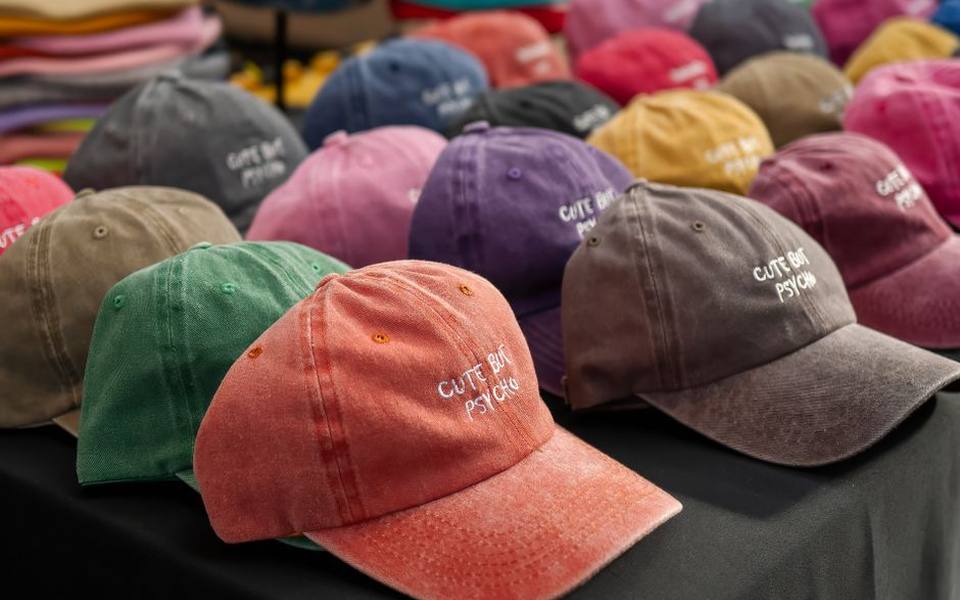
Applying pre-fabricated cloth badges to headwear has gained massive popularity among outdoor brands, lifestyle labels, and construction companies. A structured patch bridges the central front seam smoothly, eliminating the risk of thread puckering or needle deflection that can occur during direct cap stitching. Furthermore, patches can incorporate fine micro-lettering, woven details, or leatherette accents that direct cap embroidery machines simply cannot replicate on a curved surface. Patches are either sewn around the edge or heat-pressed with curved cap platens.
For direct cap embroidery, three-dimensional puff embroidery creates a bold, raised architectural effect popular on athletic snapbacks and team headwear. Digitisers program the machine to stitch over a dense layer of ethylene-vinyl acetate (EVA) foam, encasing the foam inside tightly packed satin stitches. When the needle cuts through the excess foam along the border, the lettering stands proud of the hat fabric by several millimeters. Whether choosing 3D puff direct embroidery or custom hat patches, coordinating cap styles across multi-regional teams is simple when consulting directories like places to print in Texas or other regional hubs.
Personalized Clothing Patches for Workwear and Teams
For trade contractors, mechanical shops, and municipal field teams, personalized clothing patches remain the most practical uniform branding method available. Work shirts experience intense physical friction, grease stains, and frequent hot water washings that can degrade printed graphics over time. Stitched cloth emblems withstand abrasive conditions far better than screen printing or vinyl transfers. Adding individual employee name badges alongside corporate breast patches gives staff a professional, approachable appearance that reassures residential and commercial clients alike.
Managing uniform inventory becomes considerably simpler when companies separate the emblem from the garment itself. Instead of buying hundreds of custom-embroidered shirts in every imaginable size, an operations manager can purchase blank garments in standard increments and apply badges on demand. When an employee departs, the patch can be carefully unpicked with a thread ripper, allowing the undamaged shirt to be washed and reassigned to a new hire with a fresh name badge, drastically cutting seasonal apparel expenses.
Organizations operating across multiple facilities often centralize emblem production to maintain brand consistency while letting local branches handle uniform procurement. Print and embroidery providers in major hubs—such as commercial vendors listed among places to print in California—can produce thousands of matching embroidered badges under strict color standards. Those badges can then be shipped to regional offices, where staff can attach them locally using heat seal presses or local tailoring services, guaranteeing identical brand presentation from coast to coast.
Alternative Fasteners: Hook-and-Loop, Magnetic, and Peel-and-Stick
Beyond permanent iron-on adhesive and direct sewing, several modular attachment methods offer flexibility for specialized uniforms, tactical gear, and short-term events. Hook-and-loop backing consists of micro-hooks stitched directly to the patch backing that mate with soft loop fabric panels sewn onto tactical vests, flight suits, and range bags. This allows operators, security personnel, and search-and-rescue teams to swap call-sign badges, medical indicators, or national flags within seconds depending on operational needs.
Peel-and-stick pressure-sensitive adhesive backings serve a completely different purpose, acting as heavy-duty fabric stickers for temporary functions. Trade shows, weekend sports tournaments, corporate conventions, and volunteer rallies often use peel-and-stick embroidered emblems for single-day wear on blazers, jackets, or lanyards. The pressure-sensitive glue grips tightly to outerwear without leaving gummy residue upon removal, provided the badge is peeled off before laundry cycles. If an attendee wishes to keep the patch permanently, they can simply sew through the backing later.
Magnetic backings and pin-clutch fasteners offer non-invasive solutions for fine suiting, blazers, and delicate fabrics that would be damaged by sewing needles or heat presses. Two strong neodymium magnetic plates sandwich the garment fabric between the rear of the badge and the inside of the jacket lapel. This provides a clean, professional appearance without punching holes through expensive wool suits or delicate silk blends. Understanding these versatile fastening choices helps businesses tailor their emblem specifications to specific workplace environments.
Turnaround Times, Sample Proofs, and Minimum Order Quantities
Placing a custom patch order involves distinct production stages that influence turnaround schedules and total project budgets. Because commercial embroidery machines require digitizing setup, color mapping, and manual hooping, suppliers typically impose minimum order quantities, often starting at ten, twenty-five, or fifty pieces. Ordering larger quantities significantly lowers the unit price because the initial digital setup and machine configuration costs are distributed across more finished units, making bulk production highly economical for annual uniform programs.
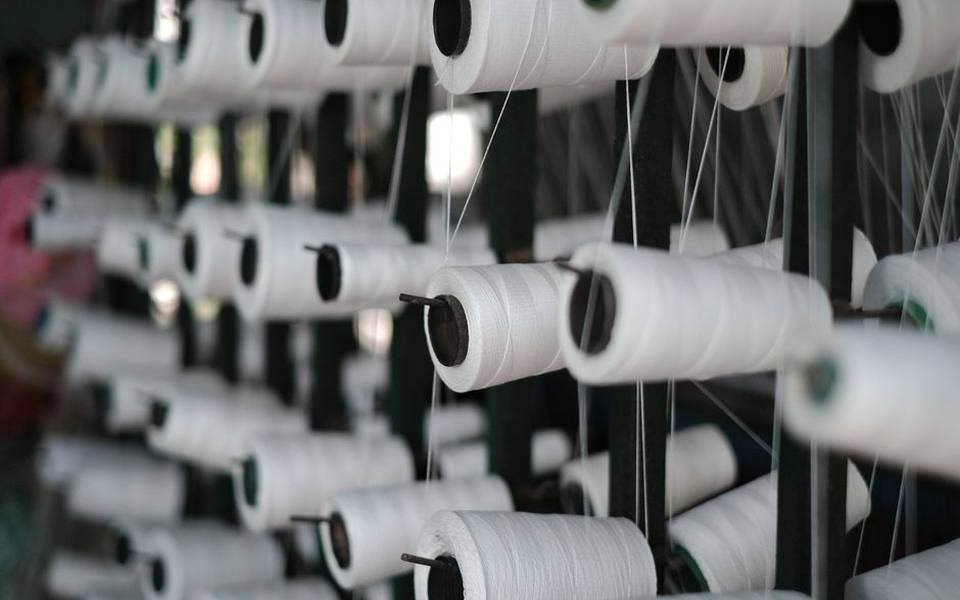
Production timelines typically range from one to three weeks, depending on order size, stitch complexity, and factory workloads. Most reputable embroidery houses provide a digital sew-out simulation or a physical embroidered sample proof photographed against a ruler before running full production. Reviewing this sample is a vital quality control step; it allows you to verify thread color matches under real lighting, inspect text legibility, and check border symmetry before hundreds of units enter the stitching pipeline.
When preparing your order, ensure your vendor understands exact sizing down to the millimeter or eighth of an inch, as minor scale adjustments dramatically affect stitch density. If your team also requires paper collateral, business cards, or event signage alongside apparel, local centers offering self-service printing can handle quick document needs while your custom embroidered order completes manufacturing. Taking time to review digital thread charts and physical sew-out photographs prevents costly production errors.
Washing, Maintenance, and Long-Term Care for Embroidered Gear
High-quality embroidered cloth badges are engineered to endure years of routine laundering, but following proper garment care practices preserves thread luster and prevents edge curl. When washing garments featuring iron-on or stitched patches, always turn the clothing inside out before loading it into the washing machine. This simple habit minimizes surface friction against the drum and shields the delicate thread filaments from catching on exposed zippers, metal buttons, or heavy denim rivets from other garments in the cycle.
Wash embroidered garments using cool or warm water settings with mild laundry detergents free from aggressive optical brighteners or concentrated chlorine bleach. High-heat settings in commercial tumble dryers can soften iron-on adhesives over time, causing corners to lift or base twills to shrink at a different rate than the surrounding garment fabric. Tumble drying on low heat or hanging the apparel to air dry naturally extends the service life of both the embroidery thread and the heat-activated bonding layer significantly.
If the corner of an iron-on badge begins to peel away after repeated wash cycles, it can almost always be reactivated with a household iron. Cover the patch face with a thin cotton pressing cloth or parchment paper to prevent the hot iron soleplate from melting synthetic polyester threads, then apply firm, direct pressure for fifteen to twenty seconds on medium-high heat without moving the iron back and forth. For guaranteed permanence on high-wear garments, a quick hand stitch or seamstress tack through the lifted corner locks the badge in place permanently.
Published 2026-09-20 · reviewed with each rebuild, last September 2026.
Find places to print near you
The directory lists 23,804 places to print by state and city — pick your state or use the “Near me” button in the header.
More guides
-
 Service
Where to Get Passport and Visa Photos Taken: Costs and Specs
-
 Service
What Collating and Kitting Mean in Commercial Printing
-
 Service
Choosing Where to Print Your Digital Photos: Online Labs vs. Neighborhood Stores
-
 Buying
Standard Business Card Sizes, Stock Thickness, and Printing Costs
-
 Buying
Choosing the Right Custom T-Shirt Printing Method and Understanding Costs
-
 Service
A Practical Guide to Printing Digital Files, Fixing Common Output Errors, and Preparing Custom Media
-
 Buying
Understanding Sticker Cutting Styles: Die Cut, Kiss Cut, and Custom Formats
-
 Buying
How to Order Custom Canvas Prints: Materials, Sizes, and Costs
-
 Buying
Business Card Printing: Design, Templates, Finishes, and Local Vendors
-
 Buying
Custom T-Shirt Printing Guide: Screen Printing, DTG, and Ordering in Bulk
-
 Service
A Guide to Photo Printing, Passport Photos, and Custom Photo Books
-
 Buying
Digital and Physical Gift Cards: Buying, Printing, and Custom Solutions
-
 Buying
Custom Event Invitations: Graduation, Wedding, and Party Announcements
-
 Buying
Custom Canvas Prints: Framing Options, Wall Art Sizes, and Collage Design
-
 Service
Online Fax Services: Sending and Receiving Digital Faxes Without a Landline
-
 Service
International Shipping Services: Comparing DHL, USPS, UPS, and FedEx
-
 Service
A Complete Guide to Custom Stickers, Vinyl Decals, and Die-Cut Labels
-
 Buying
Custom Drinkware and Water Bottle Printing Guide
-
 Buying
Custom Rubber Stamps and Self-Inking Stamp Guide
-
 Buying
Guide to Personalized Wrapping Paper and Custom Gift Packaging
-
 Buying
Custom Banners, Table Covers, and Trade Show Displays: Materials, Hardware, and Setup
-
 Service
Custom Apparel, Embroidery, and Patch Production Guide
-
 Buying
Custom Playing Cards and Deck Printing Buying Guide
-
 Service
Custom Greeting and Holiday Card Printing Guide
-
 Owning
Custom Vehicle Magnets and Bumper Stickers: Thickness, Durability, and Finish Guide