Standard Dimensions and Sizing for Custom Decks
Ordering a custom deck of playing cards begins with choosing the correct physical format. The two standard configurations dominating the industry are poker size and bridge size. Poker decks measure 2.5 inches wide by 3.5 inches tall, making them the standard format for home games, cardistry, novelty souvenirs, and board game companion decks. Bridge cards are slightly narrower at 2.25 inches by 3.5 inches, designed historically to make holding large hands of thirteen or more cards comfortable for players.
Choosing between the two formats affects artwork proportions, border balances, and card handling. Poker sizing provides slightly more surface area for custom design playing cards featuring intricate illustrations, custom face artwork, or photographic backgrounds. If your project involves standard card games, personalized poker cards, or promotional giveaways, poker dimensions remain the universal baseline that players expect to handle.
Die-cut corner radiuses represent another critical dimension to specify with your print provider. Most commercial decks feature a standard corner radius around 3.5 millimeters, though some specialized vintage designs utilize sharper or rounder edges. Working with non-standard corner cuts can require specialized die tooling, which can increase setup costs and lead times during manufacturing.
Understanding Cardstock Cores and Paper Weights
Cardstock used in custom made playing cards is not ordinary cardstock. Real playing card substrate consists of two outer paper sheets laminated together around an internal colored core layer. This specialized sandwich construction provides high opacity, preventing players from seeing through the card under bright room lighting, while delivering the structural memory required to spring back after shuffling.
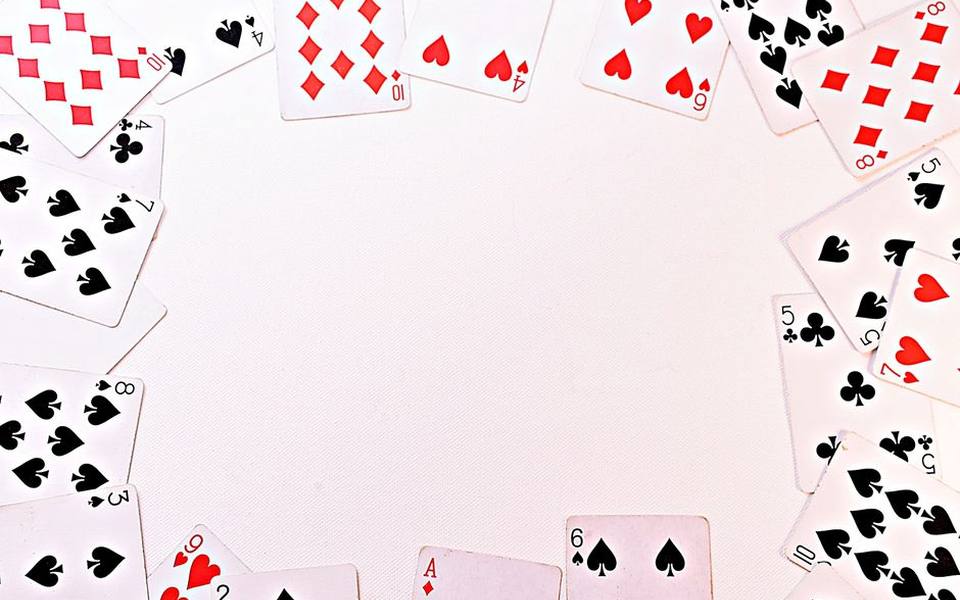
Paper weights typically range from 280 GSM to 350 GSM across different card grades. Standard promotional decks often rely on 280 GSM to 300 GSM blue-core paper, which offers balanced snap and affordability for small marketing runs. Serious players and card enthusiasts generally favor 310 GSM to 330 GSM black-core cardstock, which provides total opacity, crisp edge response, and durable spring tension across hundreds of shuffles.
Budget-level projects sometimes use white-core or grey-core stocks. While white-core paper prints sharp graphics, it lacks the true light-blocking qualities needed for competitive table games where backlighting could reveal suit values. Evaluating physical paper samples before committing to a custom made deck of cards ensures your selected weight feels substantial in the hand rather than flimsy or brittle.
Plastic Composite Materials Versus Traditional Paper
While layered paper remains the standard for handling and shuffling feel, one hundred percent plastic cardstock occupies an essential segment of the deck market. Plastic cards are manufactured from pure polyvinyl chloride (PVC) or specialized cellulose acetate sheets. They are completely waterproof, resistant to bent corners, and easily wiped clean after exposure to spilled drinks or greasy fingers at game tables.
Plastic decks offer unmatched longevity, often outlasting paper cards by dozens of game sessions without showing frayed edges or surface peeling. However, plastic handles differently during shuffles, feeling slightly slicker and requiring more pressure to square up on felt tables. The printing process for pure plastic also demands specialized UV inks to prevent smearing during high-speed feeding.
If you are developing a card deck personalized for outdoor use, poolside games, bars, or high-turnover casino nights, plastic delivers superior durability. For gift items, wedding favors, or decorative displays, traditional paper composite stocks generally provide a warmer, classic tactile sensation that most people prefer holding.
Surface Finishes, Textures, and Protective Coatings
The outer finish applied to custom personalized playing cards directly influences how the cards slide across each other. The two primary surface textures are smooth finish and linen finish, often referred to as air-cushion finish. Smooth cards possess a level, untextured surface that reflects light evenly, whereas linen finishes feature microscopic dimples pressed into the card surface to trap small pockets of air.
These microscopic air pockets reduce friction between individual cards, allowing smooth riffling, clean fans, and effortless dealer cuts. Smooth finishes work well when high-contrast graphic detail or glossy photographic clarity is the main design priority, but they can occasionally create surface suction that causes cards to stick together in humid climates.
Beyond texture, printers apply a protective topcoat or varnish over the printed ink. Common options include water-based aqueous coatings, matte varnishes, and high-gloss ultraviolet cured coats. An aqueous coating shields the ink from skin oils and friction without creating excessive glare, making it the standard protective seal for playable custom deck printing.
Artwork Preparation, Bleeds, and Safe Zones
When you design your own deck of cards, file preparation requires strict adherence to mechanical print templates. Because individual cards are stamped out using precision rotary dies, slight paper shifting of one millimeter or less can occur during cutting. Artwork must include a safety margin inside the cut line and a generous bleed margin extending outside the perimeter.

Keeping text, suit pips, and character illustrations inside the inner safe margin prevents critical elements from being clipped by the die. Symmetrical card backs are strongly recommended for playable decks. If a back design is asymmetrical, experienced players can identify whether a card has been inverted during handling, inadvertently compromising fair play during card games.
Working in CMYK color space at a minimum resolution of 300 dots per inch avoids muddy transitions and unexpected color shifts during four-color process printing. If your design incorporates historic photos or paper illustrations, running high-resolution scans through professional document scanning resources guarantees that fine linework and aged textures transfer cleanly into your digital print files.
Digital Prototyping Versus High-Volume Offset Printing
The production technology selected for your personalized playing cards hinges largely on order volume. Digital card presses handle low quantities efficiently, allowing individuals to print single prototype decks or small batches of twenty to fifty units without substantial upfront tooling costs. Modern sheet-fed digital presses reproduce sharp vector graphics and vibrant colors suitable for limited gifts.
Before investing in production for an entire retail run, many creators produce sample proofs on heavy cardstock at local self-service printing centers to check physical font legibility, hand feel, and border widths in real space. Physical proofing uncovers legibility issues that computer monitors easily disguise, such as low-contrast corner indices or cluttered face art.
When volume demands exceed several hundred or thousands of decks, offset lithography becomes the economical choice. Offset printing utilizes physical plates and high-speed automated lamination lines, dramatically reducing the per-unit price while delivering superior registration consistency across fifty-four cards. Offset manufacturing remains the industry standard for commercial card publishing and retail card games.
Designing Custom Faces, Indices, and Specialty Inks
A standard card deck consists of fifty-two suited cards and two jokers, but custom design playing cards allow total freedom over card faces. Designers can replace standard royalty figures with personalized family portraits, brand mascots, or completely novel suit concepts. However, maintaining functional playability requires thoughtful placement of corner indices.
Corner indices consist of the rank letter or number paired with the small suit icon situated in the top-left and bottom-right corners. When players fan cards across their hand, only these outer index corners remain visible. If indices are oversized, shifted inward, or rendered in unreadable decorative fonts, table gameplay slows down significantly as players struggle to identify their holdings.
Specialty visual elements can be introduced on custom faces using spot metallic inks or foil applications. Metallic inks suspend metallic pigments within the fluid vehicle, providing subtle shimmer without altering the card’s physical thickness. Hot-stamp foil creates brilliant reflective highlights on court cards or card backs, though thick foil applications can affect deck stacking if not applied evenly.
Tuck Box Construction and Packaging Upgrades
Packaging represents the first physical interaction someone has with your custom deck of cards. Standard packaging consists of an eighteen-point to twenty-four-point coated SBS paperboard tuck box. The box includes an interlocking top flap, side glue seam, and bottom enclosure designed to secure fifty-four to fifty-six cards snugly without rattling or crushing card edges.
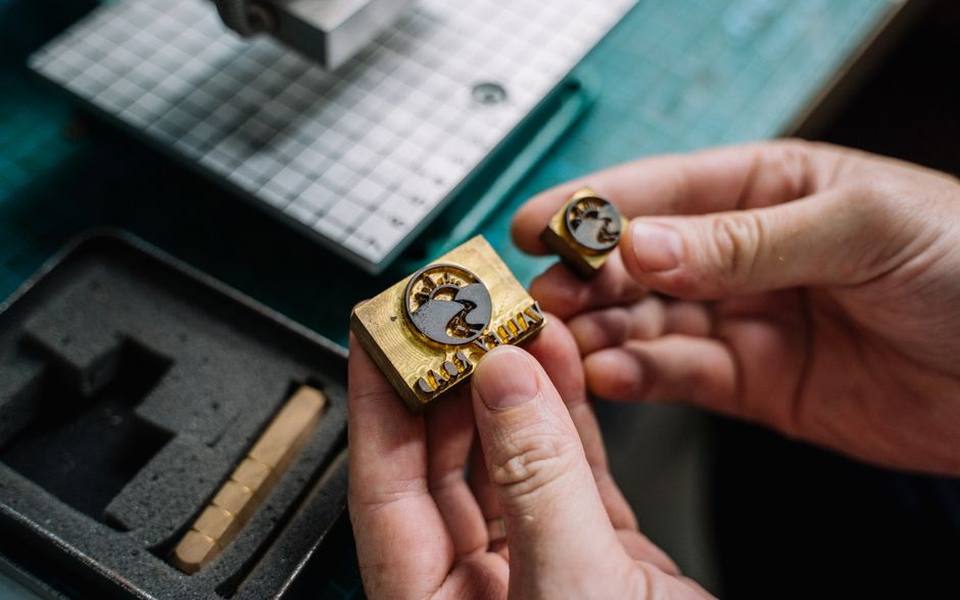
Tuck boxes can be customized using the same decorative embellishments available for high-end packaging. Options include blind debossing, custom spot UV gloss patterns, internal lining prints, and soft-touch matte lamination. Foil stamping along tuck box edges gives presentation boxes an upscale appearance suitable for executive gifts, retail shelves, or special event favors.
For collectible projects, rigid two-piece setup boxes or magnetic-closure containers offer superior long-term protection compared to standard paper tuck cases. When ordering standard retail decks, requesting clear plastic shrink-wrap seals with easy-open tear ribbons ensures cards remain untouched by moisture during transit and warehouse storage.
Navigating Minimum Orders, Pricing Tiers, and Proofing
Unit economics for custom playing cards vary drastically depending on the print method and run size. A single digital deck can cost between fifteen and thirty dollars to produce due to individual file calibration, cutting setups, and hand packaging. Once order volumes climb to several hundred units, the unit price typically drops toward five to eight dollars per deck.
Production facilities across high-volume industrial regions in states like California, Texas, and New York often maintain automated die-cutting tables that streamline medium-sized runs. Setup fees, die fees, and proofing charges are standard components of commercial card quotes, so verifying whether wet press proofs or hardcopy digital samples are included avoids surprise invoices.
Turnaround periods generally range from two to four weeks for digital small runs and six to ten weeks for large offset orders involving specialty finishes or custom-tooled boxes. Building adequate buffer time into your schedule ensures that shipping delays or sample revisions do not jeopardize your launch date or event timeline.
Quality Control Checks for Cut Alignment and Edge Drift
Once completed decks arrive, conducting a methodical quality control inspection verifies that the deck meets professional gaming standards. The primary defect to inspect is cutting registration drift. When you inspect the edge margins across the entire fifty-four card stack, the borders should align uniformly without noticeable shifting toward any single corner.
Inspect the deck edges by rubbing your finger along the cut perimeter. Quality rotary dies produce smooth, clean edges free from paper burrs, tears, or cardboard fuzz. Rough edges cause cards to catch against each other during overhand shuffles, rapidly accelerating corner splitting and moisture absorption from players' hands.
Finally, check the card spring and flexibility. A properly manufactured paper composite card should snap flat immediately after a bridge shuffle or riffle without developing a permanent concave bend. Ensuring that ink smells have cured completely and that no residual varnish odor lingers guarantees your custom deck provides a pleasant, lasting playing experience.
Published 2026-09-22 · reviewed with each rebuild, last September 2026.
Find places to print near you
The directory lists 23,804 places to print by state and city — pick your state or use the “Near me” button in the header.
More guides
-
 Service
Where to Get Passport and Visa Photos Taken: Costs and Specs
-
 Service
What Collating and Kitting Mean in Commercial Printing
-
 Service
Choosing Where to Print Your Digital Photos: Online Labs vs. Neighborhood Stores
-
 Buying
Standard Business Card Sizes, Stock Thickness, and Printing Costs
-
 Buying
Choosing the Right Custom T-Shirt Printing Method and Understanding Costs
-
 Service
A Practical Guide to Printing Digital Files, Fixing Common Output Errors, and Preparing Custom Media
-
 Buying
Understanding Sticker Cutting Styles: Die Cut, Kiss Cut, and Custom Formats
-
 Buying
How to Order Custom Canvas Prints: Materials, Sizes, and Costs
-
 Buying
Business Card Printing: Design, Templates, Finishes, and Local Vendors
-
 Buying
Custom T-Shirt Printing Guide: Screen Printing, DTG, and Ordering in Bulk
-
 Service
A Guide to Photo Printing, Passport Photos, and Custom Photo Books
-
 Buying
Digital and Physical Gift Cards: Buying, Printing, and Custom Solutions
-
 Buying
Custom Event Invitations: Graduation, Wedding, and Party Announcements
-
 Buying
Custom Canvas Prints: Framing Options, Wall Art Sizes, and Collage Design
-
 Service
Online Fax Services: Sending and Receiving Digital Faxes Without a Landline
-
 Buying
Custom Embroidered Patches, Clothing Badges, and Hat Embroidery
-
 Service
International Shipping Services: Comparing DHL, USPS, UPS, and FedEx
-
 Service
A Complete Guide to Custom Stickers, Vinyl Decals, and Die-Cut Labels
-
 Buying
Custom Drinkware and Water Bottle Printing Guide
-
 Buying
Custom Rubber Stamps and Self-Inking Stamp Guide
-
 Buying
Guide to Personalized Wrapping Paper and Custom Gift Packaging
-
 Buying
Custom Banners, Table Covers, and Trade Show Displays: Materials, Hardware, and Setup
-
 Service
Custom Apparel, Embroidery, and Patch Production Guide
-
 Service
Custom Greeting and Holiday Card Printing Guide
-
 Owning
Custom Vehicle Magnets and Bumper Stickers: Thickness, Durability, and Finish Guide