The Fundamental Difference Between Postal and Commercial Couriers
Choosing an international shipping carrier comes down to a fundamental choice between the global postal network and integrated commercial couriers. The United States Postal Service operates as part of the Universal Postal Union, meaning it carries your package to the border before handing it off to the destination nation's local postal authority. This setup keeps rates lower for lightweight parcels and everyday personal mail, but it limits real-time tracking once the parcel enters a foreign postal system.
Commercial carriers such as DHL, FedEx, and UPS run private, closed-loop logistics networks. When you send a parcel through these providers, the same company generally manages the domestic pickup, the intercontinental air transit, customs clearance, and the final delivery vehicle in the destination city. That end-to-end custody significantly shortens delivery timelines and provides granular tracking updates at every transit hub along the way.
The trade-off between these two models appears primarily in cost and customs handling. Postal packages move through simplified border checks where low-value personal gifts often bypass heavy administrative fees. Commercial carriers provide dedicated customs brokers to expedite entry, but they typically assess administrative processing fees that the recipient must settle before receiving the delivery.
DHL Express and Its International Reach
While DHL discontinued its domestic parcel delivery network within the United States years ago, it remains one of the premier options for export logistics. The company maintains an expansive global infrastructure, particularly across Europe, Africa, the Middle East, and Asia. For shippers sending time-sensitive documents or commercial cargo into developing economies or dense urban centers abroad, the carrier's dedicated regional hubs offer dependable delivery performance.
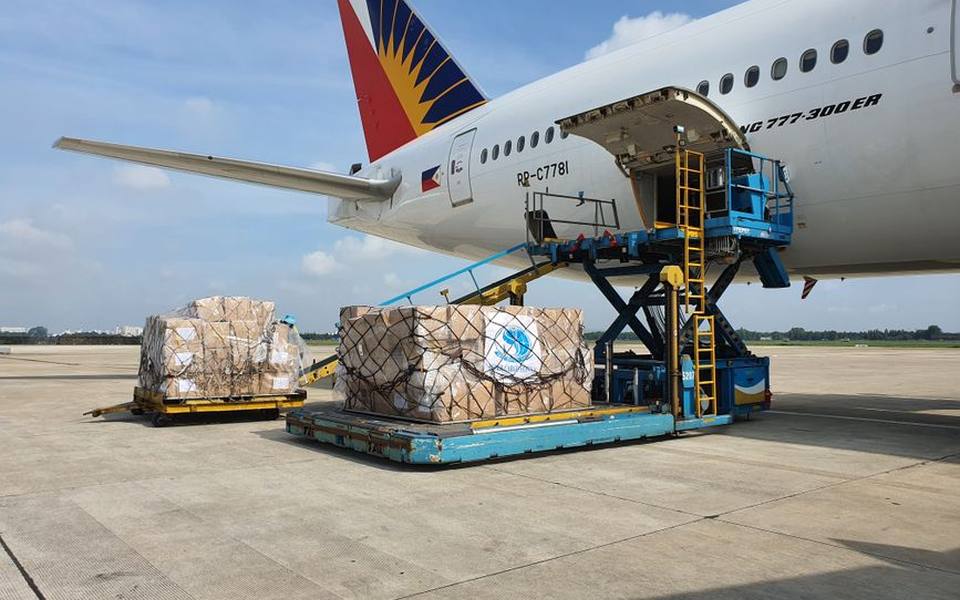
DHL Express Worldwide functions as the carrier's core service, typically delivering urgent shipments within one to four business days depending on the target region. Because the enterprise focuses predominantly on cross-border transport, its local facilities are well-accustomed to regional customs regulations, trade compliance protocols, and foreign clearance procedures. This focus tends to minimize transit delays caused by paperwork discrepancies at destination gateways.
Sending parcels through this network usually requires dropping them off at authorized retail shipping centers or scheduling a dedicated courier pickup. The carrier provides specialized packaging for documents and small parcels, which can help simplify dimensional calculations. For commercial entities moving regular international orders, their digital shipping tools automate export declarations and electronically submit customs paperwork before the aircraft even departs.
USPS International Shipping Tiers and Value
For non-urgent personal shipments, small consumer goods, and light packages, the United States Postal Service often offers the most economical entry point. The agency provides several tiers of cross-border transport, ranging from First-Class Package International Service for parcels weighing under four pounds to Priority Mail International and Priority Mail Express International. Each tier balances cost against tracking visibility and delivery speed.
Priority Mail International generally delivers within six to ten business days to major metropolitan destinations, though transit schedules remain variable due to foreign postal processing speeds. For urgent postal needs, Global Express Guaranteed operates as a partnership service where the postal service handles domestic intake while FedEx transports and delivers the parcel overseas within one to three business days with money-back guarantees.
One notable advantage of postal shipping is flat-rate packaging for select Priority Mail boxes, allowing you to ship items up to designated weight limits at a predictable rate regardless of the destination country. Additionally, rural recipients overseas often find postal deliveries easier to collect, as national post offices operate extensive local branches where couriers might lack physical storefronts or final-mile ground coverage.
Comparing FedEx and UPS International Portfolios
Both FedEx and UPS provide robust international delivery portfolios that parallel each other closely in service levels and transit guarantees. Each company operates dedicated cargo air fleets connecting massive domestic distribution centers with international gateways in Europe, Asia, and Latin America. Their express tiers, such as FedEx International Priority and UPS Worldwide Express, typically reach major global commercial centers in one to three business days.
For less urgent cross-border cargo, both carriers offer economy tiers—specifically FedEx International Economy and UPS Worldwide Expedited. These deferred options usually extend delivery windows to roughly three to seven business days while offering lower baseline freight charges. They retain the closed-loop tracking benefits and reliable door-to-door custody that define commercial couriers, making them popular for business-to-business inventory distribution.
Shippers targeting Canada and Mexico often benefit from the integrated ground networks operated by both carriers. Standard ground shipping across North American land borders provides a budget-conscious alternative to international air freight, though shippers must account for customs brokerage fees, which commercial carriers frequently charge on ground services unless specifically included in the shipping contract.
Transit Speeds and Delivery Reliability Realities
Published delivery timeframes for overseas shipments represent estimates under ideal transit conditions rather than ironclad promises. While express commercial services provide specific day-definite delivery windows, severe weather, flight re-routings, and peak seasonal volume can introduce transit interruptions. When scheduling deliveries around critical deadlines, building in a buffer of several business days remains a sensible practice regardless of the selected carrier.
Destination geography plays a major role in overall delivery speed. A parcel traveling to central London, Frankfurt, or Tokyo moves through primary airline corridors and automated sorting hubs, often clearing customs and reaching its destination within forty-eight hours. Conversely, shipments bound for secondary cities, rural provinces, or island nations typically require secondary transfers to regional ground partners, extending timelines considerably.
Postal timelines display wider variations than commercial couriers. Once a postal parcel arrives in a foreign country, domestic sorting efficiency, public holidays, and local labor practices govern final delivery. During foreign peak holiday seasons, packages sent through postal agreements can experience multi-week backlogs at import exchange offices, whereas express carriers maintain dedicated staff to clear backlogged freight.
Customs Clearance, Brokerage, and Paperwork
Every shipment crossing international borders must clear customs authorities in the destination country. The foundation of this clearance process is the commercial invoice or postal customs declaration form. This document requires an accurate description of each item, the country of origin where the goods were manufactured, accurate quantities, and realistic valuations in declared currency.

Vague descriptions such as 'gift,' 'clothing,' or 'samples' routinely trigger manual inspections and customs holds. Successful border clearance relies on precise descriptions, such as 'men cotton shirts' or 'replacement brass mechanical gears,' accompanied by appropriate Harmonized System classification codes. Commercial couriers submit these declarations electronically during flight transit, allowing routine shipments to clear before wheels touch the ground.
Duties and taxes are levied by the destination government based on the value of the goods and national trade rules. Shipments valued below a country's de minimis threshold enter duty-free, while parcels exceeding that limit incur import tariffs. When commercial couriers advance these tax payments on behalf of the recipient, they assess administrative brokerage fees that can surprise unexpecting recipients if clearance terms are not arranged beforehand.
Dimensional Weight and Rate Structures Explained
International shipping charges are rarely calculated purely on how much a package weighs on a standard scale. Carriers rely on dimensional weight calculations, which reflect the amount of cargo space a box occupies inside an aircraft cargo hold. To determine dimensional weight, the carrier multiplies the package's length, width, and height, then divides that volume by a standardized dimensional factor.
The carrier compares the actual scale weight against the calculated dimensional weight and bills whichever number is higher. If you ship a light, bulky item such as a down jacket inside a large cardboard carton, you will be billed for the volume rather than the item's minimal physical heft. Using appropriately sized boxes and removing excess dead air with tight packaging directly controls overall freight expenditure.
In addition to base transportation rates, international invoices feature ancillary surcharges that can substantially alter the final price. Fuel surcharges fluctuate monthly based on global petroleum markets, while extended area fees apply to deliveries outside primary urban delivery routes. Additional fees may apply for address corrections, hazardous materials declarations, or parcels requiring manual non-conveyable sorting.
Preparing Documents and Parcels at Retail Centers
Properly staging your shipment before visiting a shipping counter helps avoid common paperwork delays and unexpected repacking fees. When shipping overseas, customs officials require multiple printed copies of your commercial invoice affixed to the outside of the container. Utilizing self-service printing at a local business center lets you generate clear, legible documentation and clean barcode shipping labels that automated conveyor scanners can read reliably.
High-value legal paperwork, international contracts, and business agreements demand careful archiving before they enter global transit channels. Setting up complete records through document scanning ensures you hold verified digital backups before dispatching the original signed forms. Individuals shipping travel credentials, visa packets, or expat paperwork often combine this preparation alongside standard passport photo printing to finalize their international relocation kits in a single visit.
Major trade hubs feature an extensive array of commercial shipping outlets and drop boxes. If you are preparing export parcels across dynamic logistics regions like places to print in California, local retail service centers can inspect your parcel dimensions, review export documentation for missing declarations, and supply specialized document pouches designed to protect invoices from weather damage during transit.
Tracking Visibility and Loss Protection
Tracking visibility varies considerably between postal services and private logistics networks. Commercial carriers update package records whenever a container passes through an optical sorting tunnel, loads onto an aircraft, or boards a delivery van. This provides a continuous chronological audit trail accessible to both the sender and the overseas recipient, making it simple to monitor import milestones and anticipated delivery hours.

Postal tracking relies on scans performed by independent national postal operators. While Priority Mail Express International maintains relatively regular scan updates, standard international parcels may show long data gaps between departure from a domestic exchange hub and acceptance at an overseas sorting facility. In some developing postal networks, status scans are only logged upon final physical delivery at the local post branch.
Carrier liability for damaged or lost international cargo is inherently limited under international aviation conventions unless you purchase supplemental declared value coverage. Standard liability generally covers minimal amounts per pound. For valuable electronics, luxury goods, or sensitive replacement machinery, purchasing third-party transit insurance or declaring additional cargo value directly with the carrier provides vital financial protection against transit losses.
Selecting the Right Carrier for Your Scenario
Determining the most suitable carrier depends on balancing transit urgency, parcel dimensions, destination infrastructure, and budget constraints. When sending lightweight personal items, gifts to family members, or low-value commercial products where delivery speed within a strict window is secondary, the postal service remains the most cost-effective solution with minimal exposure to surprise administrative fees.
For urgent commercial documents, mission-critical inventory, medical supplies, or high-value items, private carriers justify their premium pricing. DHL stands out as an exceptional choice for destinations across Europe, the Middle East, Africa, and Asia due to its dominant regional ground hubs. FedEx and UPS provide outstanding reliability across North America, Latin America, and standard transatlantic trade lanes.
Before tendering your package, compare rate quotes online across multiple couriers using precise weight and outer dimensions. Check whether your transaction requires delivery duties unpaid, where the buyer handles import taxes upon arrival, or delivery duties paid, where the sender settles clearance expenses upfront. Aligning service capabilities with recipient expectations ensures smooth international deliveries without unnecessary delays.
Published 2026-09-20 · reviewed with each rebuild, last September 2026.
Find places to print near you
The directory lists 23,804 places to print by state and city — pick your state or use the “Near me” button in the header.
More guides
-
 Service
Where to Get Passport and Visa Photos Taken: Costs and Specs
-
 Service
What Collating and Kitting Mean in Commercial Printing
-
 Service
Choosing Where to Print Your Digital Photos: Online Labs vs. Neighborhood Stores
-
 Buying
Standard Business Card Sizes, Stock Thickness, and Printing Costs
-
 Buying
Choosing the Right Custom T-Shirt Printing Method and Understanding Costs
-
 Service
A Practical Guide to Printing Digital Files, Fixing Common Output Errors, and Preparing Custom Media
-
 Buying
Understanding Sticker Cutting Styles: Die Cut, Kiss Cut, and Custom Formats
-
 Buying
How to Order Custom Canvas Prints: Materials, Sizes, and Costs
-
 Buying
Business Card Printing: Design, Templates, Finishes, and Local Vendors
-
 Buying
Custom T-Shirt Printing Guide: Screen Printing, DTG, and Ordering in Bulk
-
 Service
A Guide to Photo Printing, Passport Photos, and Custom Photo Books
-
 Buying
Digital and Physical Gift Cards: Buying, Printing, and Custom Solutions
-
 Buying
Custom Event Invitations: Graduation, Wedding, and Party Announcements
-
 Buying
Custom Canvas Prints: Framing Options, Wall Art Sizes, and Collage Design
-
 Service
Online Fax Services: Sending and Receiving Digital Faxes Without a Landline
-
 Buying
Custom Embroidered Patches, Clothing Badges, and Hat Embroidery
-
 Service
A Complete Guide to Custom Stickers, Vinyl Decals, and Die-Cut Labels
-
 Buying
Custom Drinkware and Water Bottle Printing Guide
-
 Buying
Custom Rubber Stamps and Self-Inking Stamp Guide
-
 Buying
Guide to Personalized Wrapping Paper and Custom Gift Packaging
-
 Buying
Custom Banners, Table Covers, and Trade Show Displays: Materials, Hardware, and Setup
-
 Service
Custom Apparel, Embroidery, and Patch Production Guide
-
 Buying
Custom Playing Cards and Deck Printing Buying Guide
-
 Service
Custom Greeting and Holiday Card Printing Guide
-
 Owning
Custom Vehicle Magnets and Bumper Stickers: Thickness, Durability, and Finish Guide