Navigating Retail Photo Counters and Instant Kiosks
Walking into a neighborhood pharmacy counter or big-box department store photo department is usually the fastest way to turn smartphone snapshots into physical prints. Most commercial drugstores and general merchandise retailers maintain automated touchscreen stations where you can plug in a flash drive, connect via wireless transfer, or plug in a phone cable to order standard four-by-six prints on the spot. These instant units typically use dye-sublimation ribbons that apply color through heat, resulting in dry, smudge-resistant prints within minutes. While the convenience is hard to beat when you need an image for a school project or a picture frame that afternoon, the color depth and tonal range differ from dedicated photographic lab work.
Retailers that handle off-site or one-hour lab processing often route your digital files through wet minilab machines using silver halide paper or high-volume dry inkjet systems. When ordering through large retail chains or regional supermarkets, you generally choose between glossy and matte finishes. Glossy surfaces deliver vibrant color saturation and deep blacks, but they readily show fingerprints and reflect overhead glare. Matte finishes offer a softer presentation that sits well behind picture frame glass without sticking. Before uploading dozens of pictures to an in-store terminal, take a moment to review cropping ratios. Modern smartphones record images in a sixteen-by-nine or four-by-three aspect ratio, whereas standard small prints rely on a three-by-two format, meaning unadjusted images will have edges trimmed automatically unless you preview each frame.
If you only need a handful of everyday snapshots, using walk-in self-service printing terminals provides immediate satisfaction at a modest price per sheet. The primary trade-off comes down to machine calibration and paper weight. Retail kiosks run continuously with minimal color profiling between customer batches, which occasionally leads to slight color shifts in skin tones or shadow contrast. For everyday snapshots, refrigerator displays, and family bulletin boards, the quality remains perfectly adequate, but high-contrast landscapes or professional portraits may reveal banding or clipped highlight detail that a specialty photo center would otherwise correct.
Fine Art and Giclée Printing for Archival Displays
When an image demands gallery-level color accuracy, exceptional longevity, and tactile depth, standard photo paper is replaced by giclée printing methods. Derived from the French term for spraying, giclée refers to a process using wide-format inkjet equipment equipped with twelve or more archival pigment inks rather than standard four-color dye sets. These specialized pigment formulations resist ultraviolet degradation and atmospheric pollutants far better than standard consumer prints. Fine art reproductions produced on acid-free rag media can remain vibrant for many decades without noticeable fading when framed under protective glazing.

Selecting the right substrate is just as critical as the pigment formulation when you arrange to print giclée prints. Heavyweight cotton rag, smooth hot-press watercolor papers, textured cold-press surfaces, and archival canvas each interact with pigment droplets differently. Smooth rag papers excel at preserving sharp photographic detail and subtle skin gradations, while textured art paper adds depth to digital illustrations, oil painting reproductions, and atmospheric landscape photography. Because these specialty papers absorb ink into natural cotton fibers rather than sitting on a plastic resin coating, the resulting images exhibit velvety matte blacks and deep, rich shadow transitions.
Preparing digital files for fine art reproduction requires closer attention to resolution and color profiles than standard retail printing. Fine art studios typically request uncompressed TIFF or high-quality JPEG files rendered at three hundred pixels per inch in wide color spaces such as Adobe RGB or ProPhoto RGB. Professional print technicians calibrate their monitors to match specific paper profiles, ensuring that the subtle shifts in midtones and delicate highlight gradients match your visual intent on the final cotton sheet.
Meeting Federal Standards with Official Passport Photo Services
Obtaining an acceptable identity picture for a passport, visa, or citizenship application involves strict biometric parameters set by federal travel agencies. Utilizing an experienced passport photo printing service saves applicants from costly processing delays and outright application rejections. Official domestic guidelines dictate that photos must measure exactly two by two inches, with the subject's head positioned between one inch and one and three-eighths inches from the bottom of the chin to the top of the head. Commercial print counters, shipping storefronts, and local portrait studios maintain templates configured to verify these precise proportions before printing.
Beyond strict dimensional rules, physical composition determines whether an application proceeds smoothly through automated scanning systems. The subject must directly face the camera with a neutral facial expression or a natural, unforced smile, keeping both eyes open and clearly visible. Eyeglasses are no longer permitted in standard passport photographs unless accompanied by a signed medical waiver from an ophthalmologist or physician detailing physical necessity. Hats, headbands, and decorative hair coverings must also be removed, though religious garments worn daily are accepted provided they do not cast shadows across the face or obscure the hairline.
Background illumination and overall lighting balance present the most frequent technical failure points in amateur passport attempts. Government agencies require an untextured white or off-white backdrop completely devoid of deep shadows, distracting seams, or colored tints. Professional setups employ diffused strobe lights or broad reflectors positioned to eliminate harsh shadows behind the ears and beneath the jawline. Even a faint shadow cast by a shirt collar or an uneven backdrop tone can trigger automated rejection during initial government document intake.
Evaluating Compliant and Non-Compliant Passport Photo Examples
Reviewing acceptable versus rejected passport photo examples helps clarify why minor technical flaws cause processing offices to return applications. A fully compliant example features sharp focus, realistic skin tones, balanced exposure without blown-out white areas, and an evenly illuminated white background. In contrast, common failure examples often display significant glare from overhead fluorescent lighting, red-eye artifacts, or an overly tight crop that clips hair volume. Inspecting test prints against a physical measuring ruler ensures the face falls squarely within the fifty-to-sixty-nine percent facial height envelope required by federal specifications.
Color balance and paper quality also dictate acceptance during official review. Passport images must be printed on photo-quality paper, displaying either a subtle luster or glossy sheen without physical creases, staple holes, ink smudges, or pixelation. Digitally altered images represent an immediate ground for rejection; automated government biometric scanners easily detect skin-smoothing filters, digital background replacement, or artificial contrast boosts. The image submitted must present an unaltered, honest depiction of your natural appearance captured within the previous six months.
Clothing choices contribute significantly to the overall compliance of the final portrait. It is best to avoid wearing solid white shirts, as they tend to blend into the required white background, creating an indistinct silhouette around the shoulders. Similarly, military uniforms, camouflage prints, or apparel resembling official agency attire cannot be worn for civilian identification credentials. Choosing dark or jewel-toned everyday clothing provides clean visual contrast against the pale backdrop, ensuring clear shoulder boundaries on the finished two-inch square.
Specialized Techniques for Infant and Toddler Passport Photos
Securing an acceptable infant passport photo presents unique practical challenges because babies cannot sit unassisted or follow verbal staging instructions. Federal guidelines acknowledge these difficulties by granting slight leniency regarding eye contact and mouth posture for newborns, but the core rules regarding dimensions, lighting, and background uniformity remain unchanged. No other person may appear in the frame, meaning a parent's hands, arms, shoulders, or supporting fingers must stay completely out of view behind the child or under a backdrop layer.
One reliable method for photographing a newborn or young infant involves laying the child flat on their back over an unwrinkled white sheet or plain white blanket on the floor or a firm mattress. This top-down approach supports the baby's head naturally while avoiding awkward posture. Position the setup near a large window with soft, indirect daylight to illuminate the face evenly without triggering a startling flash reflex. Alternatively, securing the child in an infant car seat draped smoothly with a white muslin cloth allows parents to capture a forward-facing portrait while keeping the infant safe, upright, and centered.
Patience is essential when trying to catch a moment where the baby looks straight toward the camera with both eyes open and ears level. It often takes dozens of shutter releases during a post-feeding window of alert contentment to capture a single compliant shot. Print technicians experienced in infant identity photography will carefully review the resulting capture to confirm that the white background shows no visible wrinkles, that the head meets height minimums, and that the final image remains sharp and free of motion blur.
Designing and Curating Custom Photo Books
Transforming hundreds of loose digital files into a cohesive personalized photo book provides a permanent home for travel memories, wedding stories, and family milestones. Unlike traditional albums that rely on adhesive corners or plastic slip-in pockets, custom photo books print images directly onto bound book leaves. Designing an engaging volume begins with thoughtful editorial curation. Rather than attempting to include every snapshot from a trip, selecting the strongest narrative images creates visual breathing room and prevents pages from feeling cluttered or repetitive.
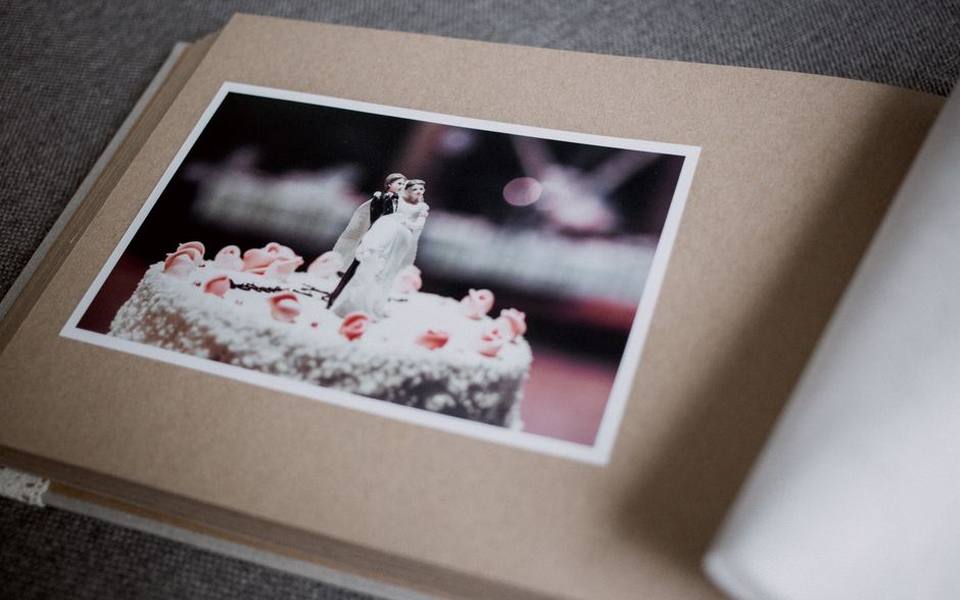
Structuring a personalized picture book works best when you establish a clear visual rhythm throughout the layout. Mixing full-page hero images with multi-image collage spreads keeps the reader engaged across multiple turns of the leaf. Leaving adequate white space around photo borders creates a clean, sophisticated aesthetic reminiscent of modern art monographs. Modern online layout software offers flexible grid systems, allowing creators to align image edges consistently while adding brief text captions, dates, and chapter dividers that supply context to the visual story.
Before sending your custom book layout to the press, take time to verify image resolution warnings across every page spread. Photos transferred via text messaging or downloaded from social media platforms are frequently compressed to low resolutions, which look acceptable on handheld phone screens but show severe softness and jagged pixelation when expanded across a twelve-inch printed spread. Original camera files or high-resolution cloud backups yield the crispest detail across large book layouts.
Selecting Covers, Bindings, and Materials for Keepsake Albums
The physical construction of a customizable photo book determines both its tactile feel on a coffee table and its structural durability over years of handling. Hardcover books wrapped in buckram bookcloth, natural linen, or bonded leather provide classic durability suitable for formal occasions like anniversaries and weddings. Softcover books, bound similarly to commercial trade paperbacks with flexible laminated cardstock covers, offer an economical, lightweight alternative ideal for casual vacation recaps, quarterly family updates, or children's storybooks.
The spine construction represents another crucial specification choice when assembling a custom picture book. Standard perfect binding glues page block edges directly into a square spine, which works well for standard reading but creates an unavoidable dip in the center where facing pages meet. For expansive panoramic landscapes or continuous multi-image spreads, layflat binding is generally preferred. Layflat volumes utilize thick, hinged substrate boards or continuous folded sheets that open completely flat across one hundred and eighty degrees, eliminating the center gutter loss entirely.
Cover embellishments allow you to tailor the finished presentation to match the occasion. Blind debossing presses titles into linen or leather covers without color, creating a subtle, tactile indentation. Foil stamping adds metallic gold, silver, copper, or white pigments directly into the debossed lettering for greater contrast and formal elegance. Alternatively, custom photo-wrap hardcovers laminate your own edge-to-edge cover photography across heavy binder board, producing a modern finish that requires no additional dust jacket.
Understanding Paper Finishes and Color Management in Album Printing
The tactile paper chosen for book interiors influences both how colors appear and how resistant the pages remain to physical handling. Standard book papers typically feature a semi-gloss or silk finish that balances sharp detail reproduction with modest resistance to thumbprints. High-gloss coated papers maximize saturation and contrast, making vivid tropical travel scenes pop, but they tend to reflect harsh glare under reading lamps and collect oils from fingers during browsing.
For an understated, timeless reading experience, matte uncoated or eggshell art papers provide a pleasant texture that feels substantial in the hand. Matte finishes absorb light rather than reflecting it, giving portraits and vintage photography a subtle, painterly quality. However, because uncoated paper stocks absorb a portion of the ink droplet into the surface fibers, deep shadows can appear slightly muted compared to glossier counterparts. Understanding this inherent tonal behavior prevents surprises when your finished volume arrives.
Color fidelity across book printing depends heavily on the color spaces utilized during file setup. Most commercial consumer book presses operate within a four-color CMYK toner or digital liquid ink framework calibrated against standardized sRGB digital inputs. Submitting files saved in extremely wide color spaces like ProPhoto RGB without soft-proofing can cause vibrant greens, deep cyans, and neon tones to shift unexpectedly when converted to the physical press gamut. Converting images to sRGB before laying out your book ensures the most predictable color translation.
Archival Care and Long-Term Preservation for Prints and Books
Proper physical storage protects cherished photographs and custom albums from chemical degradation, moisture warping, and sunlight fading. The primary environmental hazards for photographic media include sustained high humidity, fluctuating ambient temperatures, and direct exposure to ultraviolet rays. Storing keepsake albums and framed prints in climate-controlled living areas rather than unfinished basements, attics, or exterior garages prevents mildew blooms, adhesive failure, and cockling of heavy paper leaves.
When framing individual prints for wall display, using conservation-grade acrylic or museum glass filters out up to ninety-nine percent of damaging ultraviolet light. Standard window and frame glass blocks minimal UV radiation, allowing sunlight to break down dye molecules and discolor paper backings over time. Acid-free matting boards should always separate the face of the photograph from the glazing surface to prevent condensation from causing the print emulsion to stick irreversibly to the glass pane.
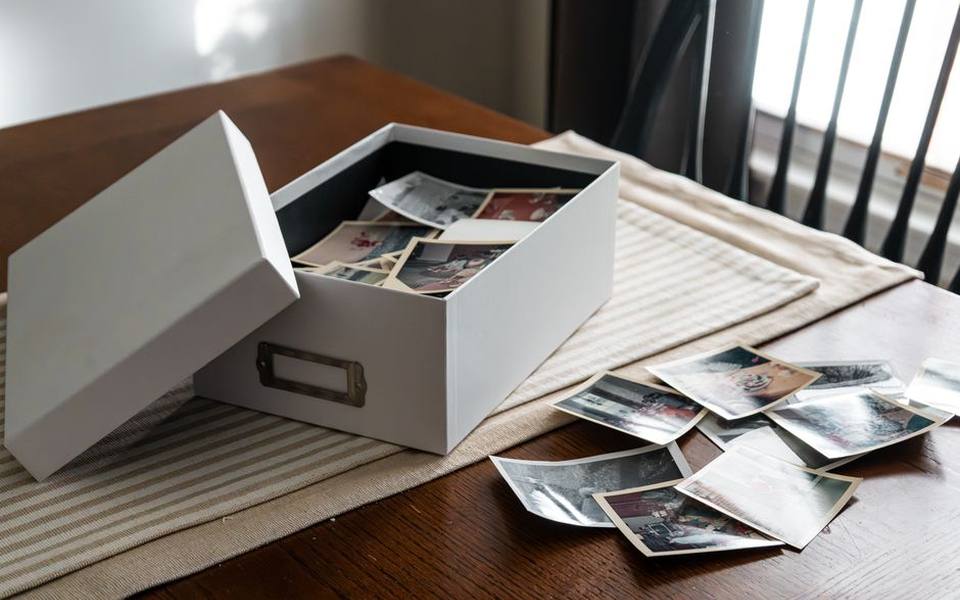
For loose prints, legacy family negatives, and heirloom volumes, archival storage boxes constructed from acid-free and lignin-free cardboard provide superior protection. Stacking albums flat on sturdy horizontal shelves rather than upright reduces mechanical strain on spine bindings over decades of storage. If you inherit older family prints showing signs of silvering or physical curling, utilizing professional document scanning creates high-resolution digital master files that can be retouched, preserved, and reprinted without handling fragile vintage originals.
Choosing the Right Print Provider for Your Project Scope
Deciding where to produce your photography projects depends entirely on deadlines, project complexity, and material standards. When immediate turnaround is the driving factor, local retail pharmacies, grocery chains, and general department stores fill a critical niche with same-day four-by-six prints, desk calendars, and standard greeting cards. These neighborhood outlets operate nationwide, offering rapid fulfillment when an unexpected school assignment, sympathy frame, or holiday craft requires tangible prints in hand before evening.
When projects involve rigorous governmental compliance or specialized output, turning to dedicated print houses and specialty studios proves far more dependable. Document identity processing, oversized fine art giclée reproductions, and heirloom wedding albums require calibrated lighting, archival pigment systems, and precision binding machinery that neighborhood retail counters simply do not maintain. Independent local print shops throughout regions like California and across the country offer personalized consultation, proof review, and hands-on material sampling.
Taking time to evaluate paper weights, binding construction, and print methods ensures that your printed memories fulfill their intended role. Whether you are walking up to an automated kiosk for quick family snapshots, booking a professional sitting for compliant identity documentation, or designing an archival coffee table volume to last generations, understanding these technical distinctions allows you to select the right service partner with complete confidence.
Published 2026-09-20 · reviewed with each rebuild, last September 2026.
Find places to print near you
The directory lists 23,804 places to print by state and city — pick your state or use the “Near me” button in the header.
More guides
-
 Service
Where to Get Passport and Visa Photos Taken: Costs and Specs
-
 Service
What Collating and Kitting Mean in Commercial Printing
-
 Service
Choosing Where to Print Your Digital Photos: Online Labs vs. Neighborhood Stores
-
 Buying
Standard Business Card Sizes, Stock Thickness, and Printing Costs
-
 Buying
Choosing the Right Custom T-Shirt Printing Method and Understanding Costs
-
 Service
A Practical Guide to Printing Digital Files, Fixing Common Output Errors, and Preparing Custom Media
-
 Buying
Understanding Sticker Cutting Styles: Die Cut, Kiss Cut, and Custom Formats
-
 Buying
How to Order Custom Canvas Prints: Materials, Sizes, and Costs
-
 Buying
Business Card Printing: Design, Templates, Finishes, and Local Vendors
-
 Buying
Custom T-Shirt Printing Guide: Screen Printing, DTG, and Ordering in Bulk
-
 Buying
Digital and Physical Gift Cards: Buying, Printing, and Custom Solutions
-
 Buying
Custom Event Invitations: Graduation, Wedding, and Party Announcements
-
 Buying
Custom Canvas Prints: Framing Options, Wall Art Sizes, and Collage Design
-
 Service
Online Fax Services: Sending and Receiving Digital Faxes Without a Landline
-
 Buying
Custom Embroidered Patches, Clothing Badges, and Hat Embroidery
-
 Service
International Shipping Services: Comparing DHL, USPS, UPS, and FedEx
-
 Service
A Complete Guide to Custom Stickers, Vinyl Decals, and Die-Cut Labels
-
 Buying
Custom Drinkware and Water Bottle Printing Guide
-
 Buying
Custom Rubber Stamps and Self-Inking Stamp Guide
-
 Buying
Guide to Personalized Wrapping Paper and Custom Gift Packaging
-
 Buying
Custom Banners, Table Covers, and Trade Show Displays: Materials, Hardware, and Setup
-
 Service
Custom Apparel, Embroidery, and Patch Production Guide
-
 Buying
Custom Playing Cards and Deck Printing Buying Guide
-
 Service
Custom Greeting and Holiday Card Printing Guide
-
 Owning
Custom Vehicle Magnets and Bumper Stickers: Thickness, Durability, and Finish Guide